University of Iowa
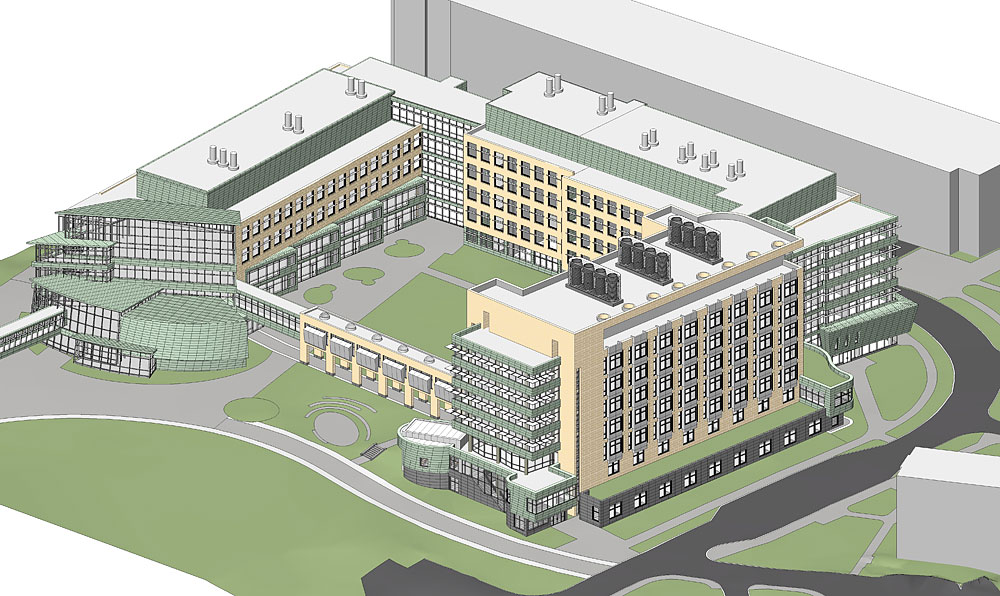
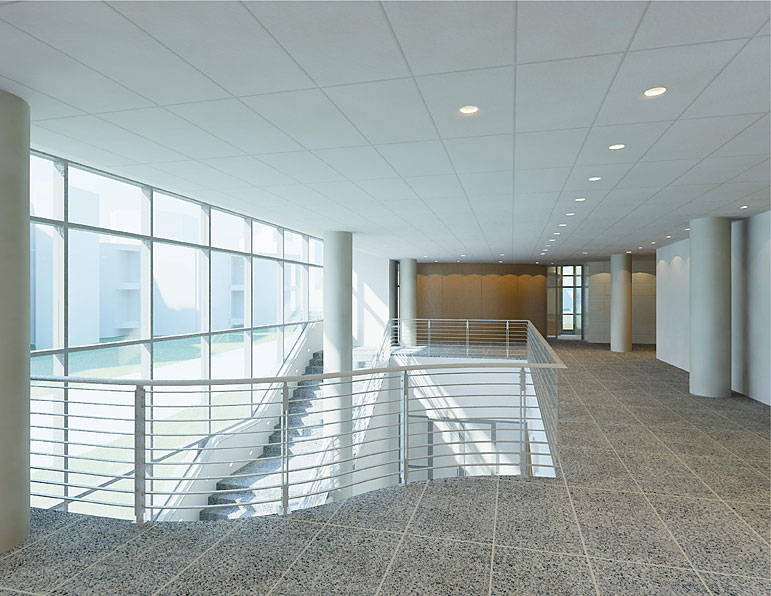
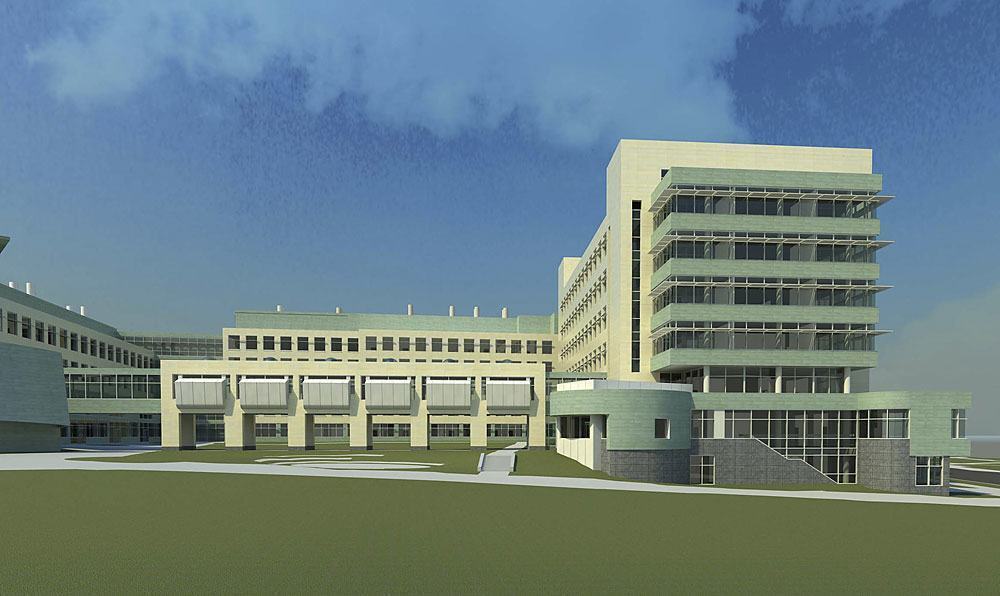
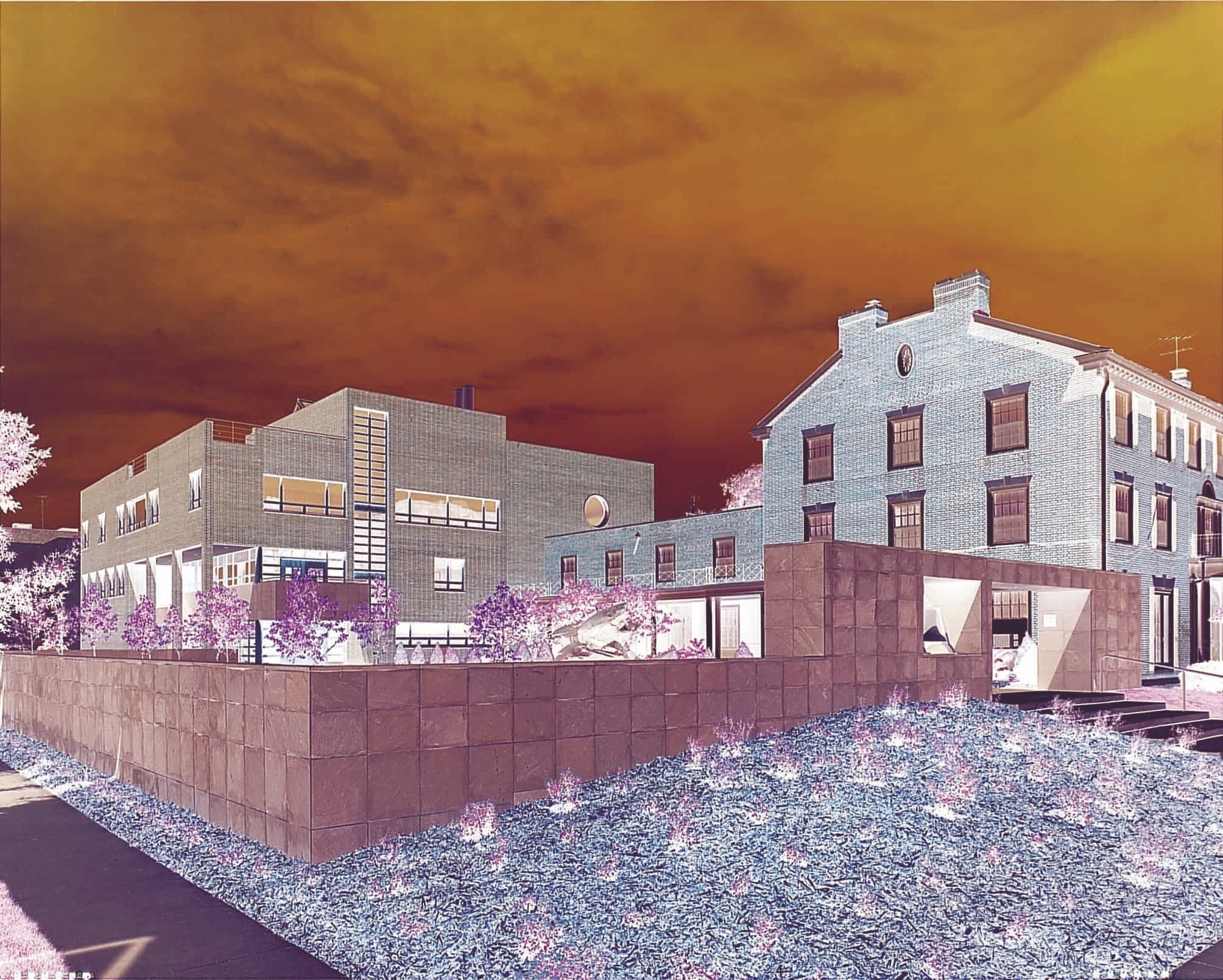
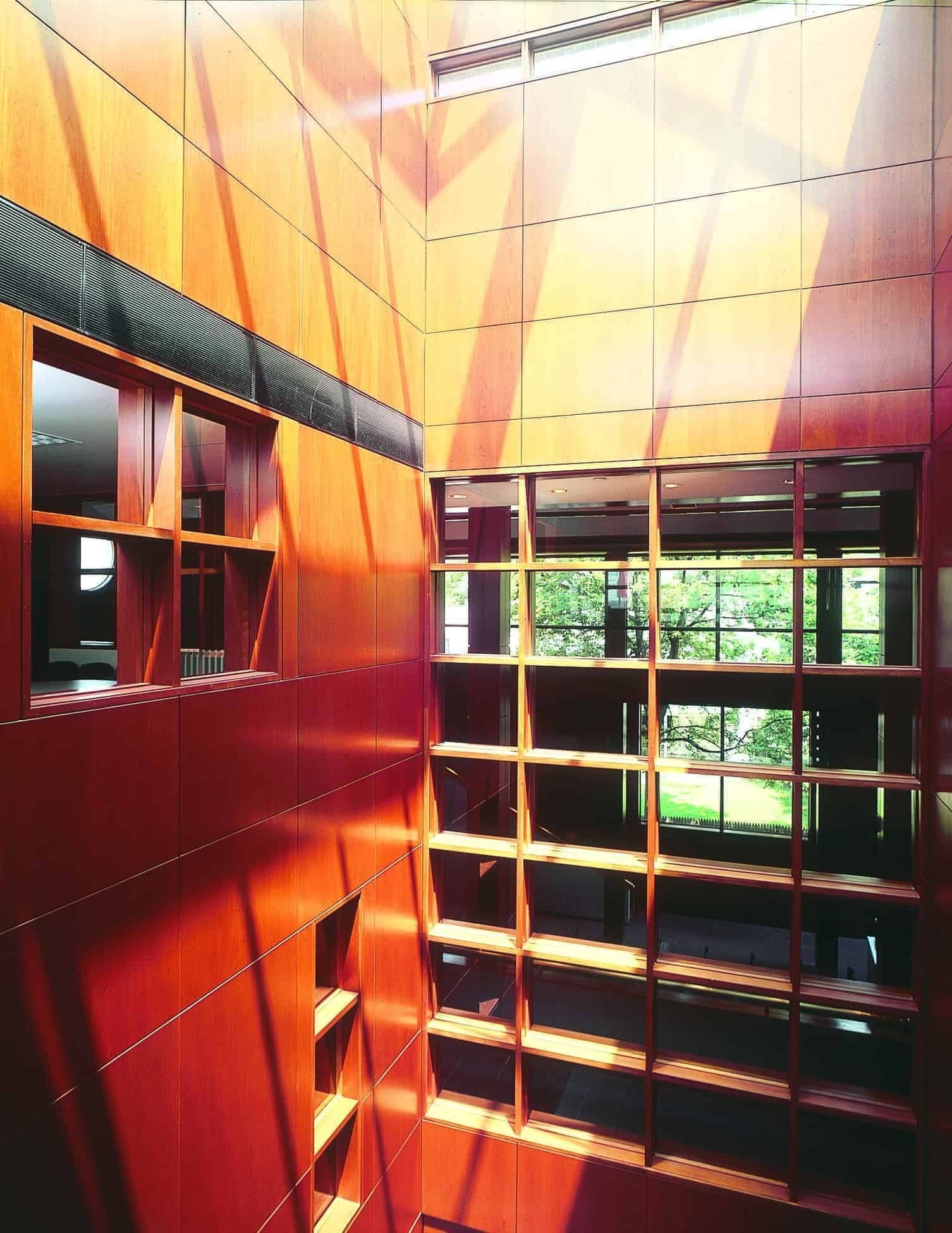
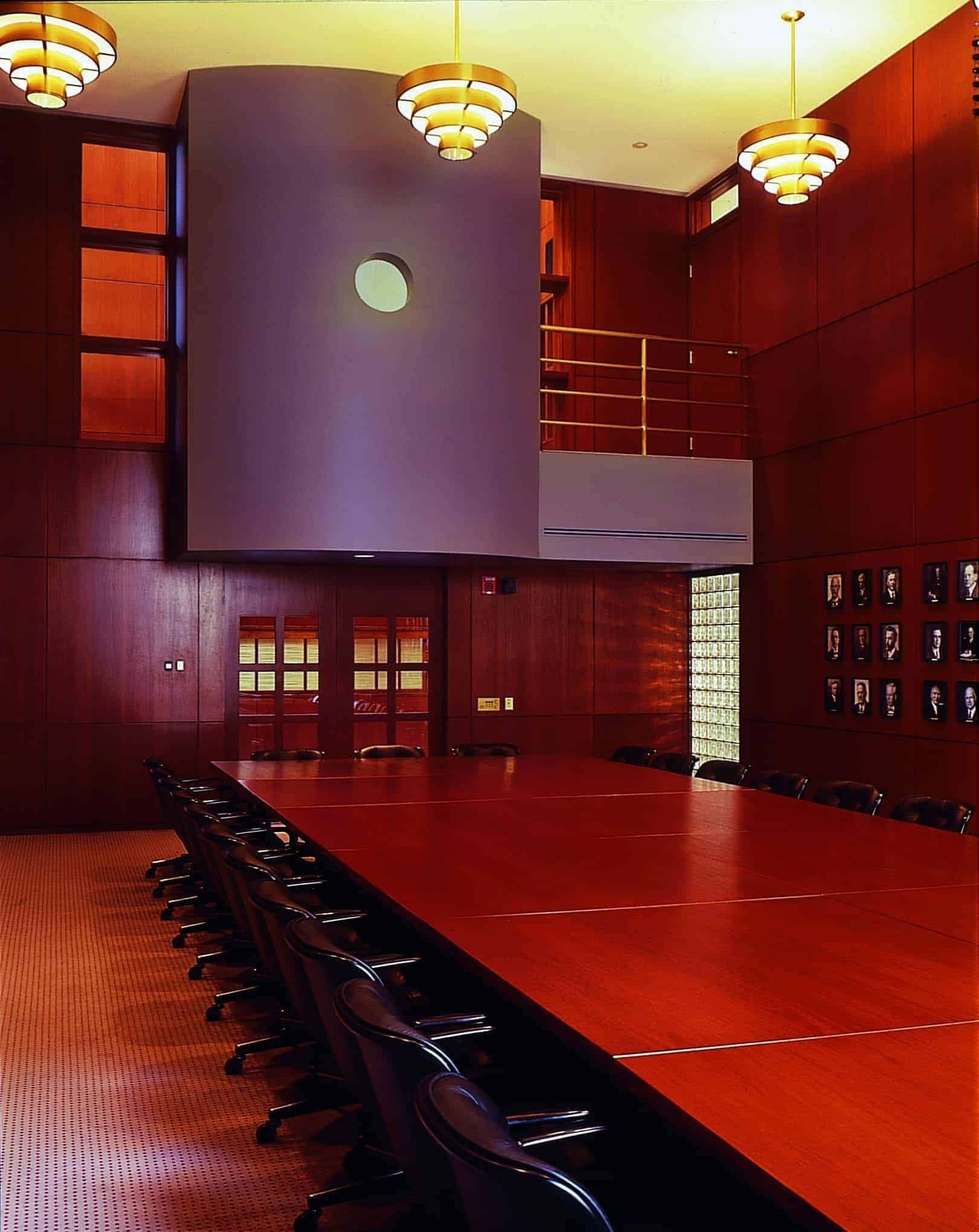
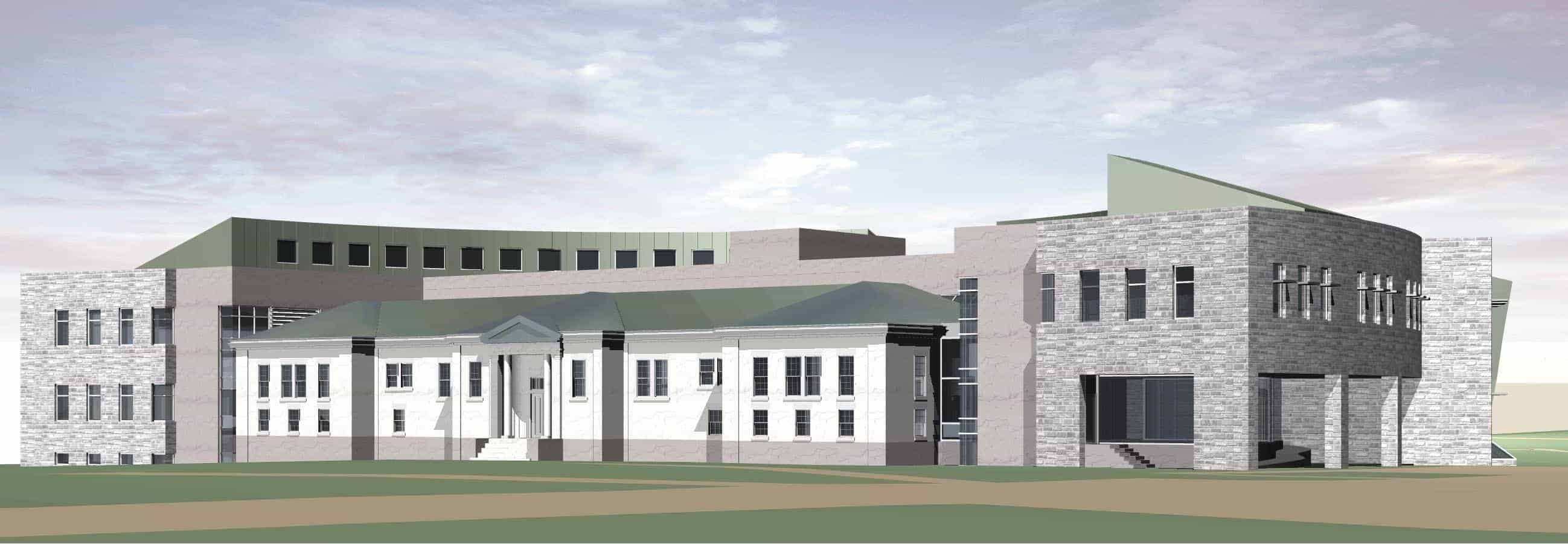
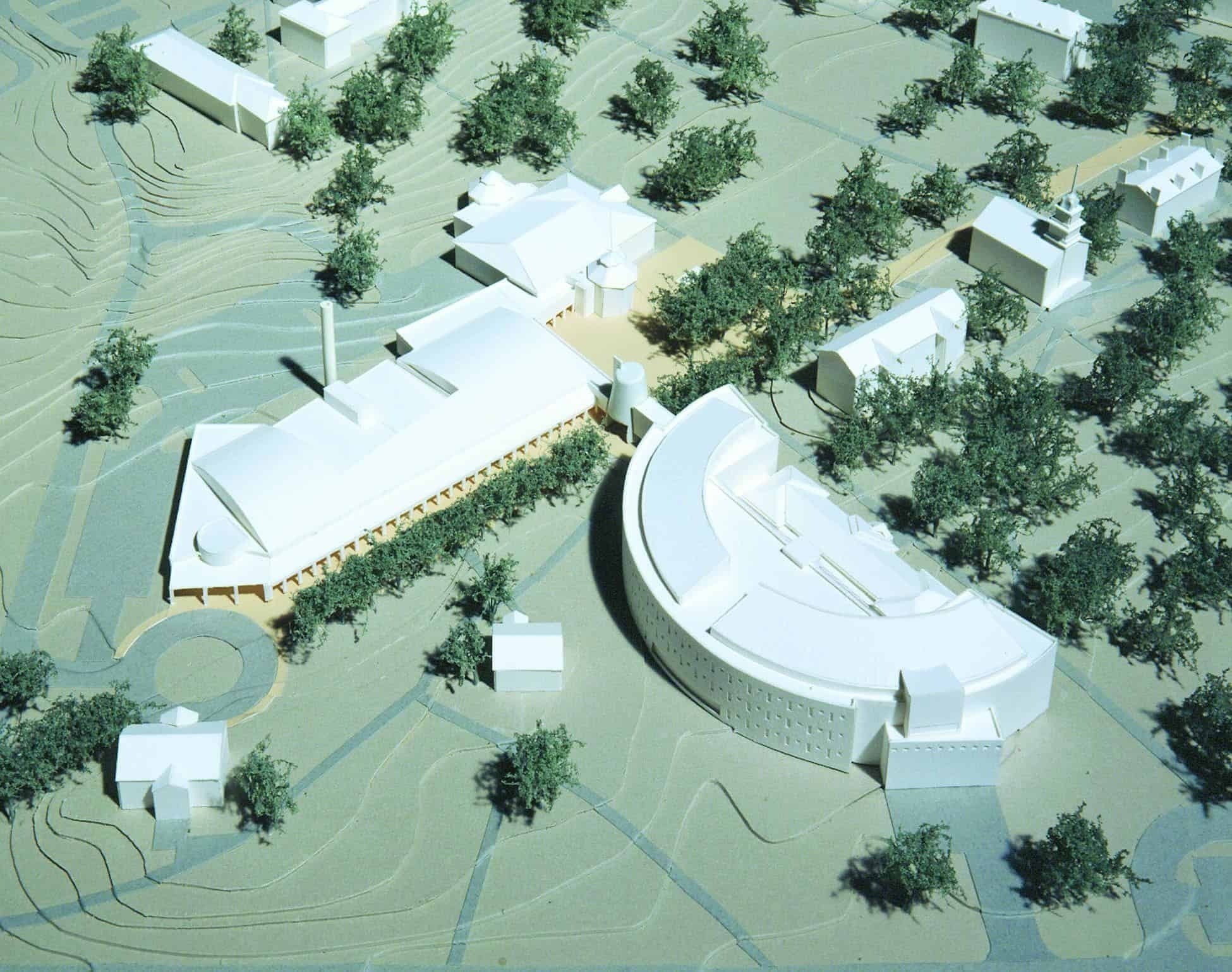
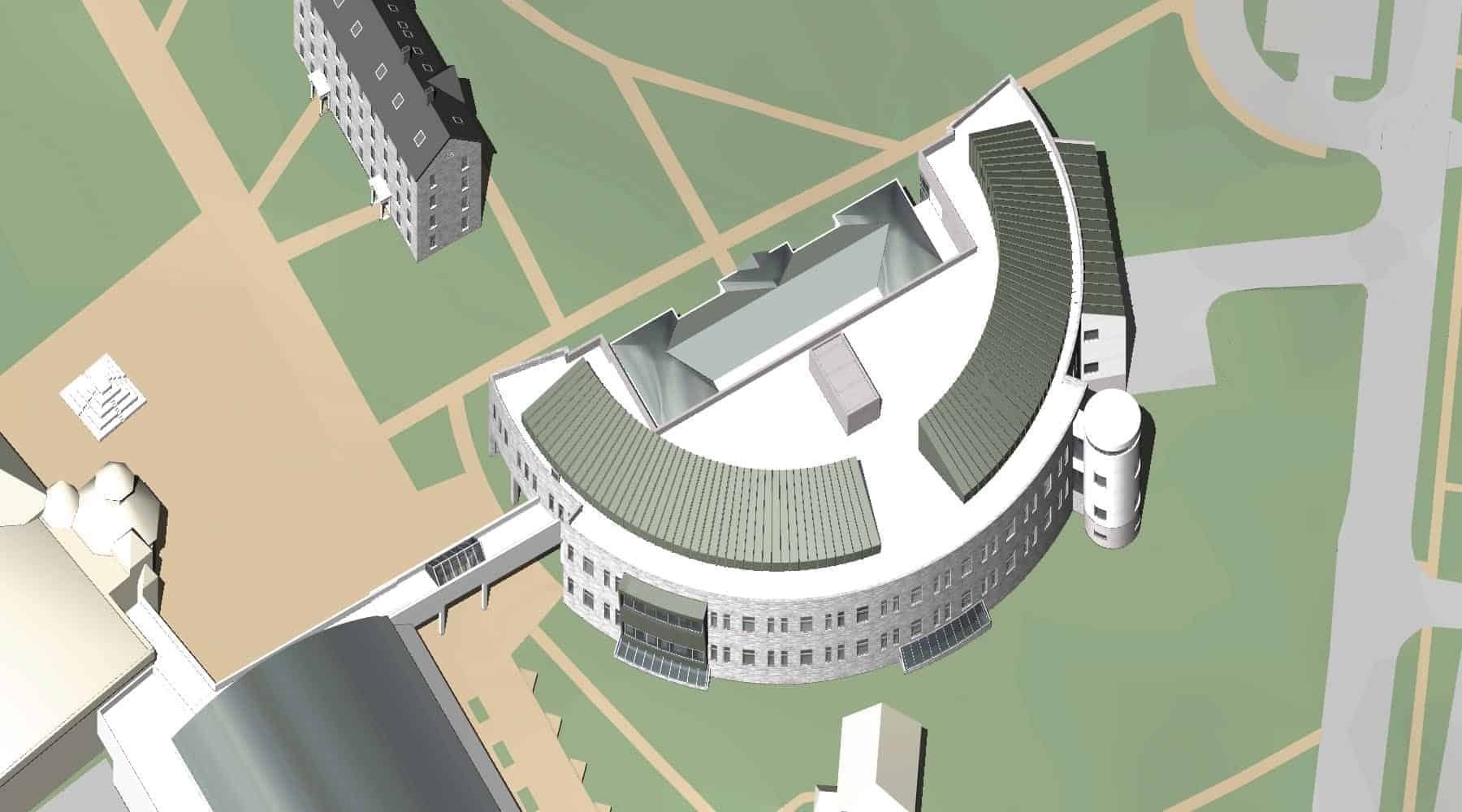
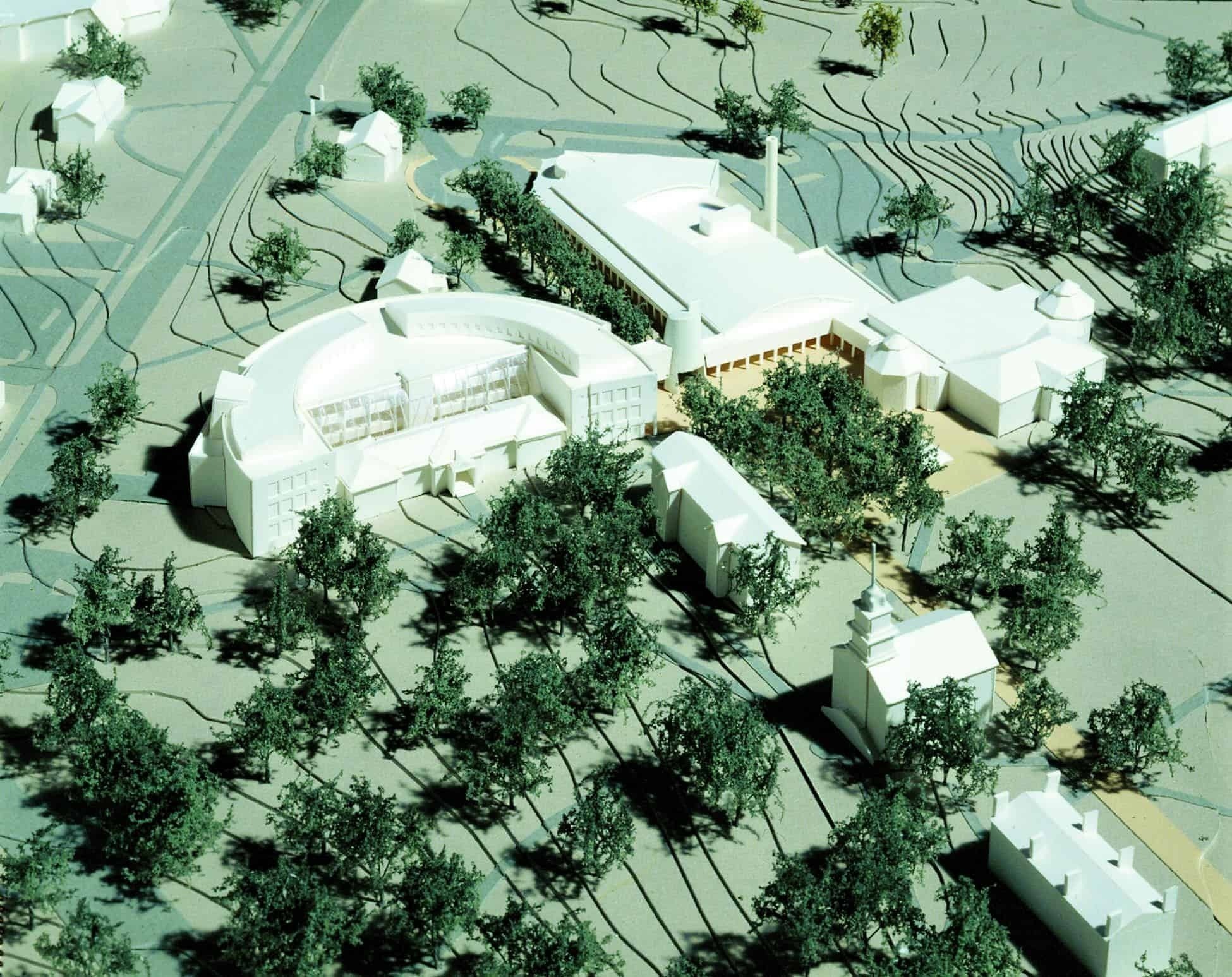
Institute for Biomedical Discovery Iowa City, IA Ten years after Gwathmey Siegel Kaufman Architects completed the University of Iowa’s widely acclaimed Levitt Center for University Advancement, the University asked the firm to return and once again enhance the campus with a new building on a prominent site. In this case, Gwathmey Siegel Kaufman was retained as design architect of the exterior and principal public spaces within as well as to design a new connecting building. Continue BackThe focus of this ten level 210,000 square-foot structure will be interdisciplinary research in the broad areas of neuroscience, aging and regenerative medicine. It will also provide advanced imaging capabilities for humans and large animals. The facility includes wet research laboratories, office space, vivarium, meeting spaces, café and support facilities.
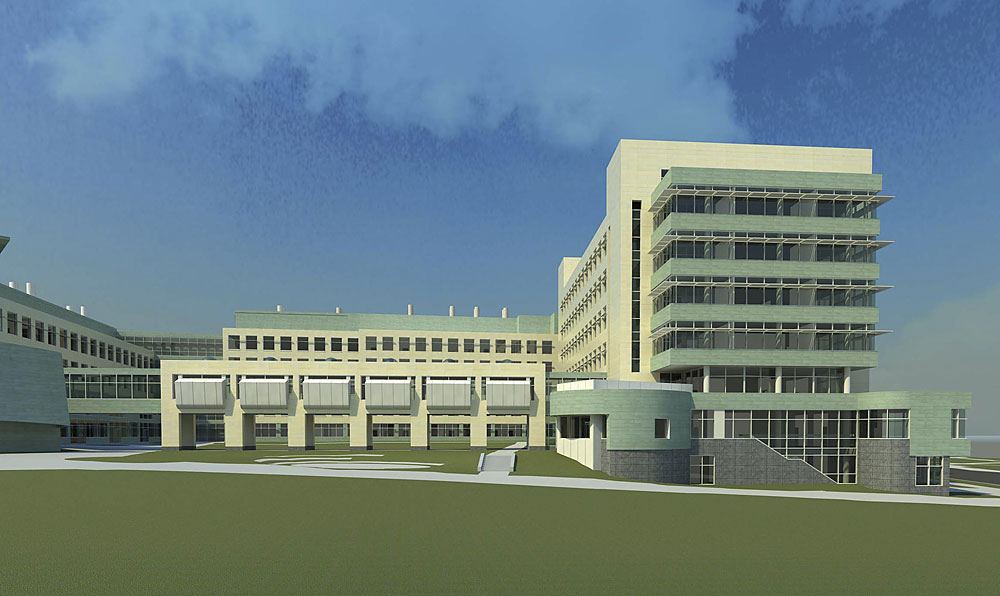
Together with the two earlier buildings of the Biomedical Research Center, the new building forms a “U” plan configuration, overlooking the University campus. Closing the “U” and defining a new quadrangle is an open “cloister” walkway below an enclosed 220 foot long second level walkway connection containing a linear exhibition gallery. The “cloister” also provides a backdrop for a memorial reflection garden honoring the donor of the previous building that occupied the site and allows both interaction and connection with the entire researcher community.
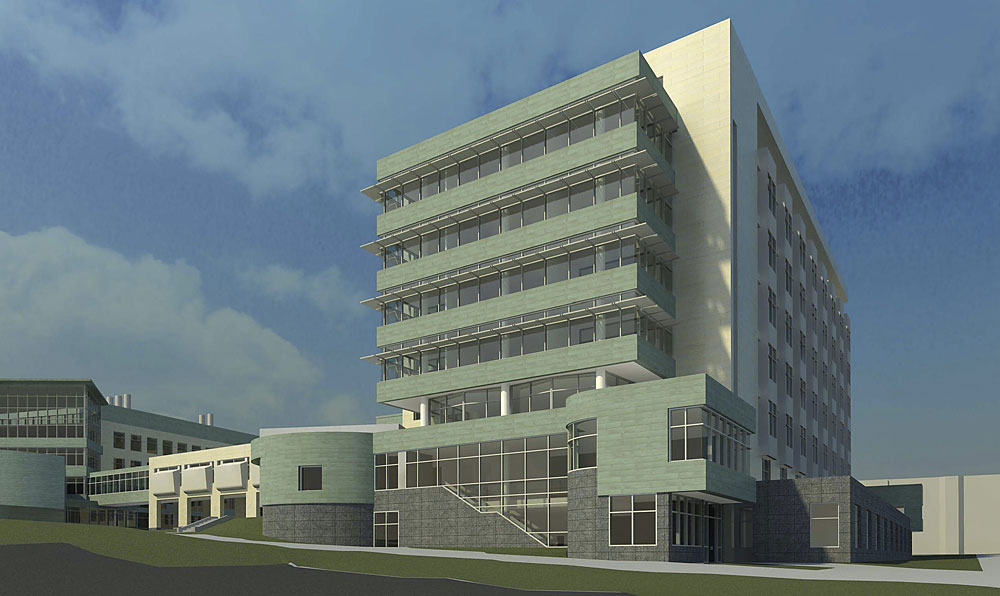
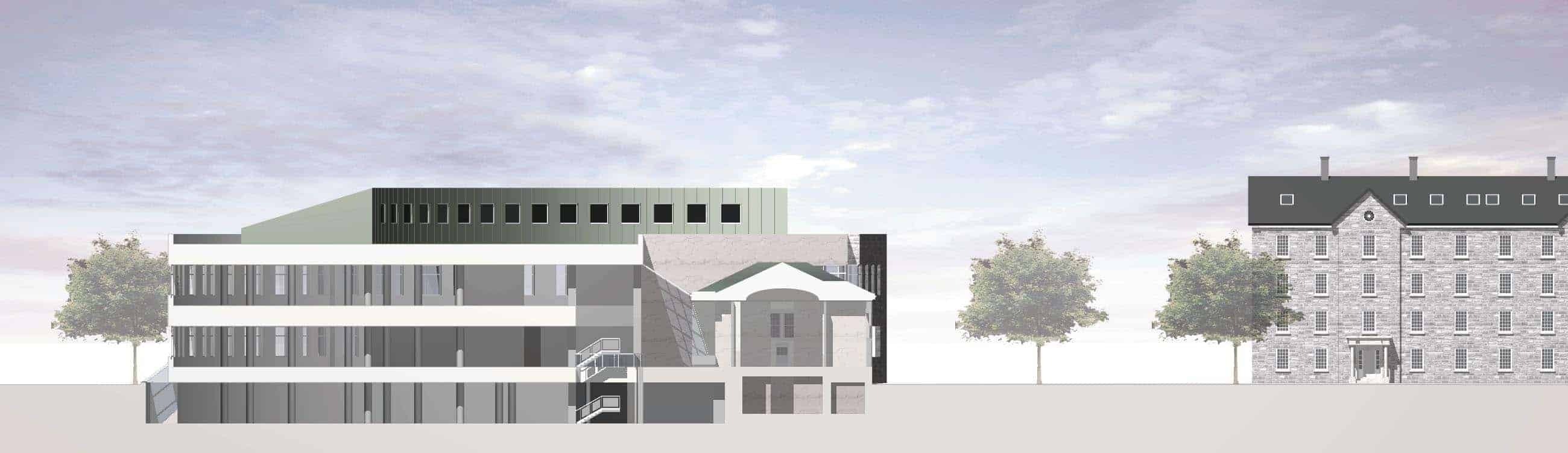
The complex’s existing material pallet of buff colored Iowa limestone, grey blue granite, green patinated copper, and metallic grey aluminum window framing with glass and panel infill is maintained in the IIBD building. Facing the campus, the east façade presents an iconic reference, articulated by vertical bay windows and a deep cornice created by a recessed roof terrace. It defines the new image of the Center and further reinforces the presence and identity of the complex.
University of Nebraska
Lincoln, NE
University of North Carolina at Charlotte
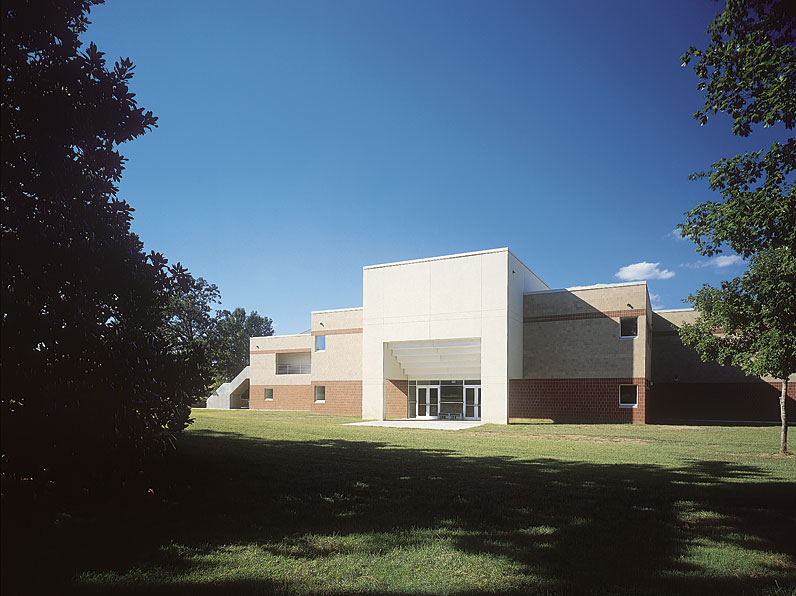
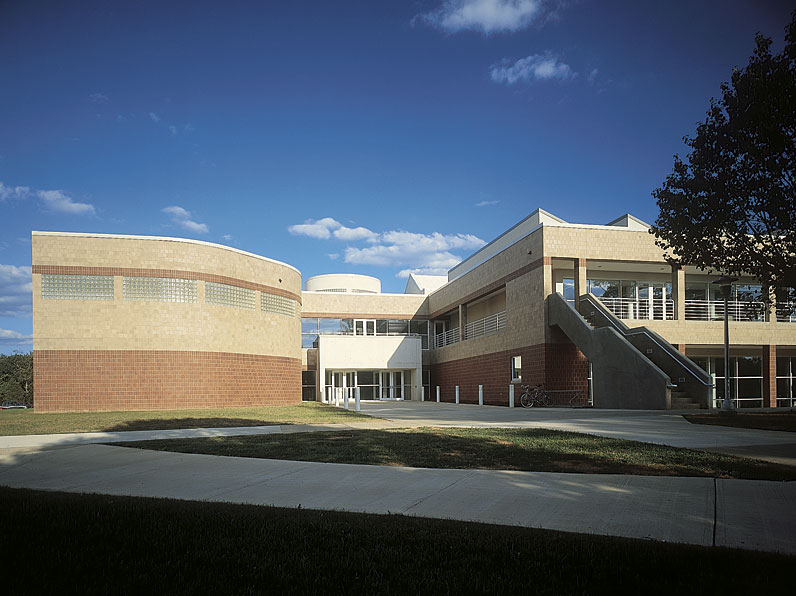
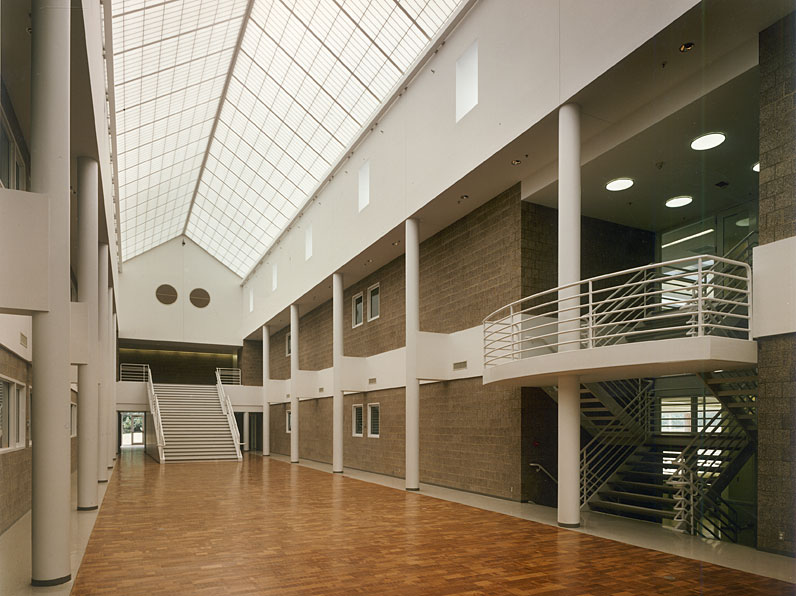
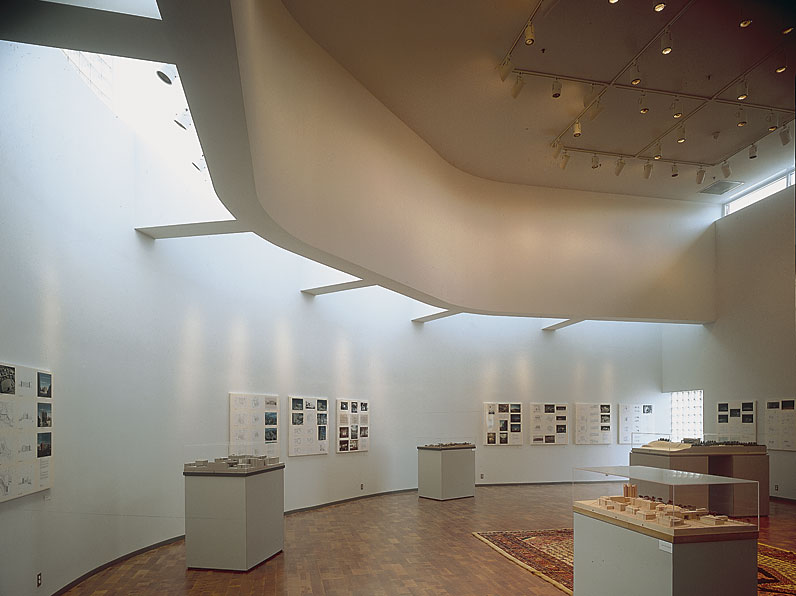
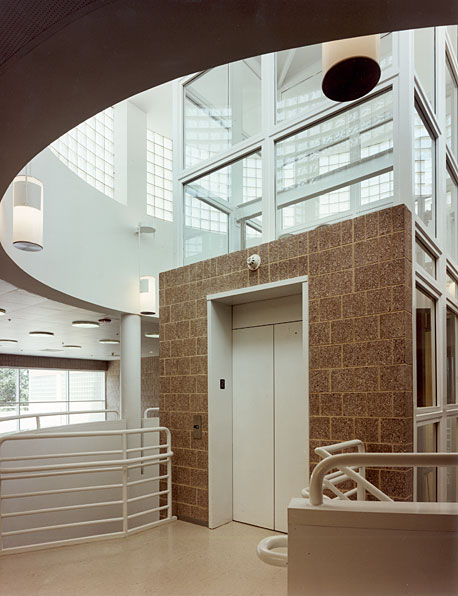
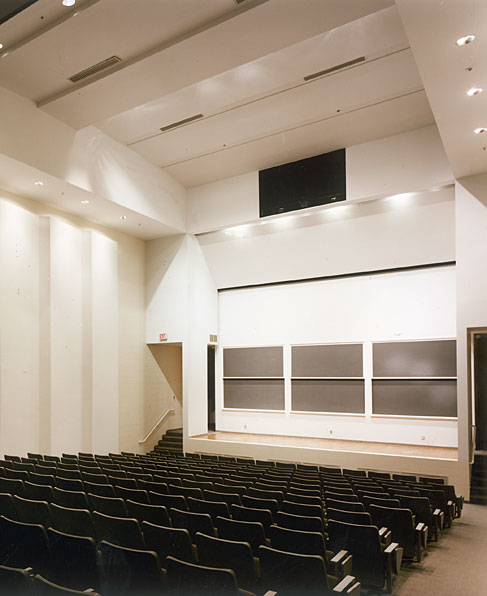
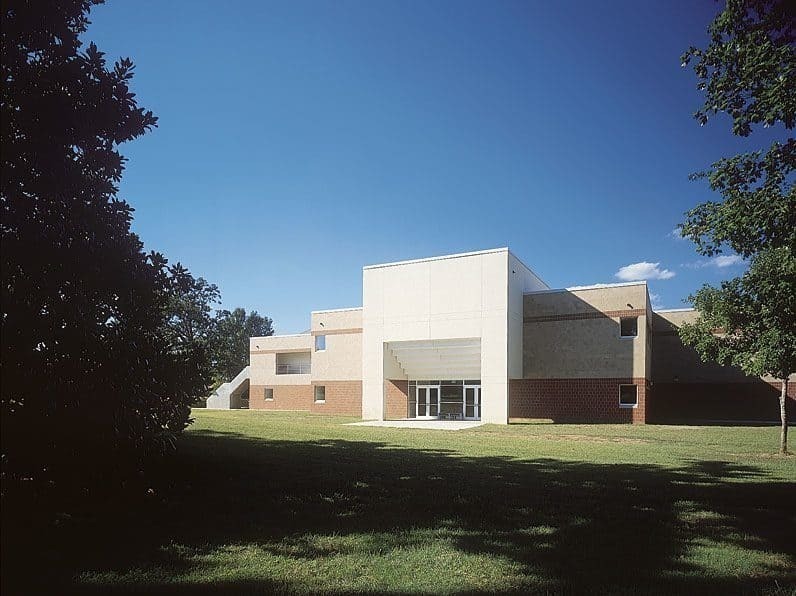
Thomas I. Storrs College of Architecture Charlotte, NC The 83,000 square foot, two-story building fulfills a program developed over a two-and-one-half year period by students, faculty and the architects. The siting of the new building terminates an existing open-ended axis and creates a major new outdoor green quadrangle with two existing structures, while simultaneously establishing a precedent for future buildings and outdoor spaces. Continue BackThe materials, details and construction technology of the building were selected to express the idea of an “architecture building as a continuous and flexible learning/teaching laboratory.”
Associate Architect: Ferebee, Walter & Associates
Westover School
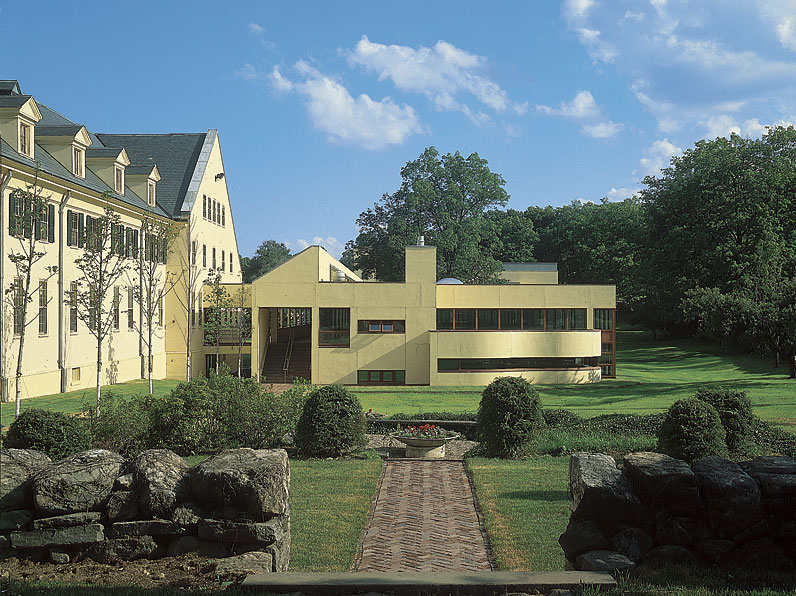
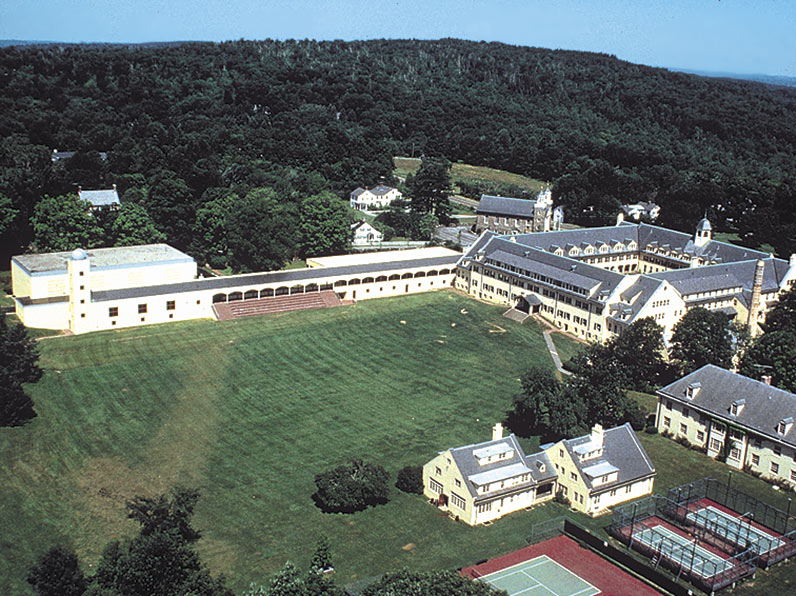
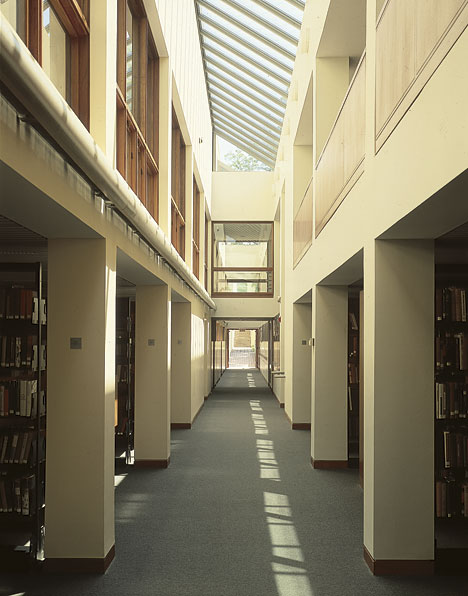
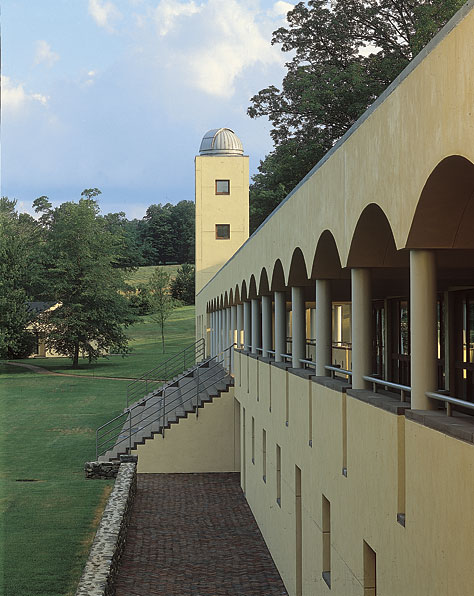
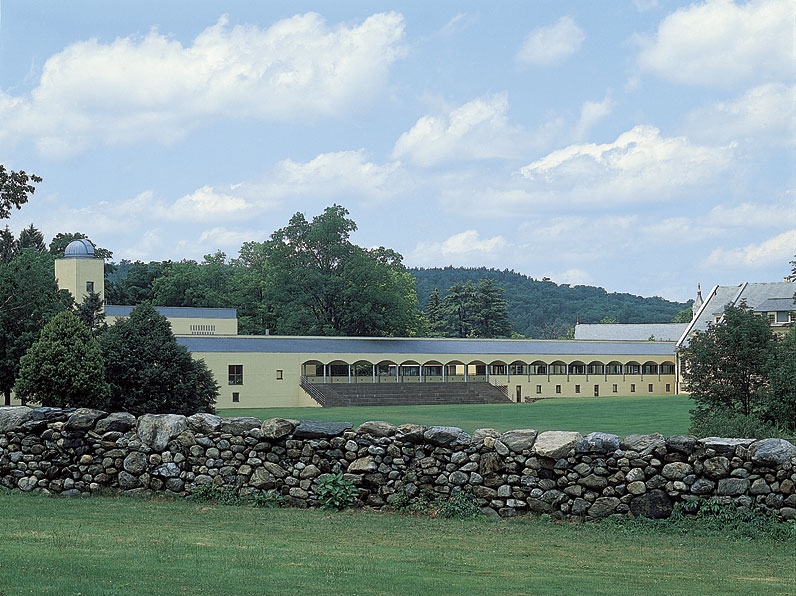
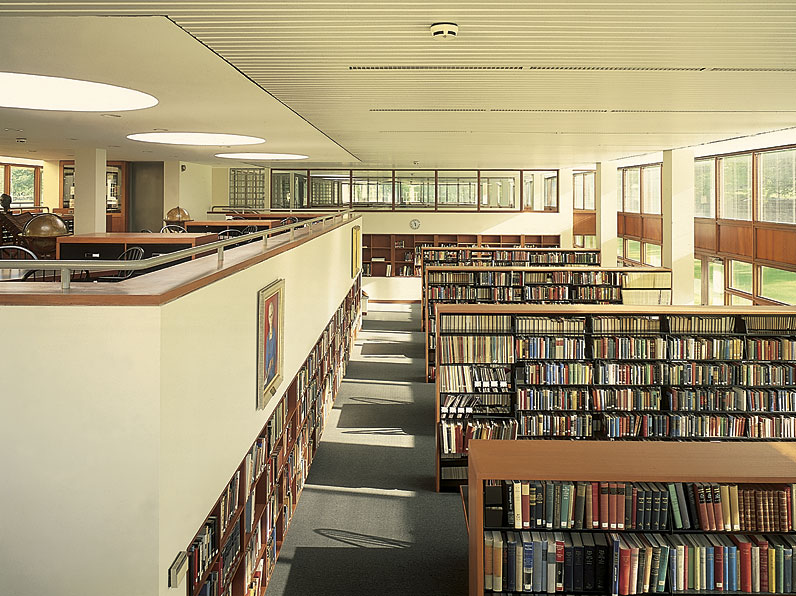
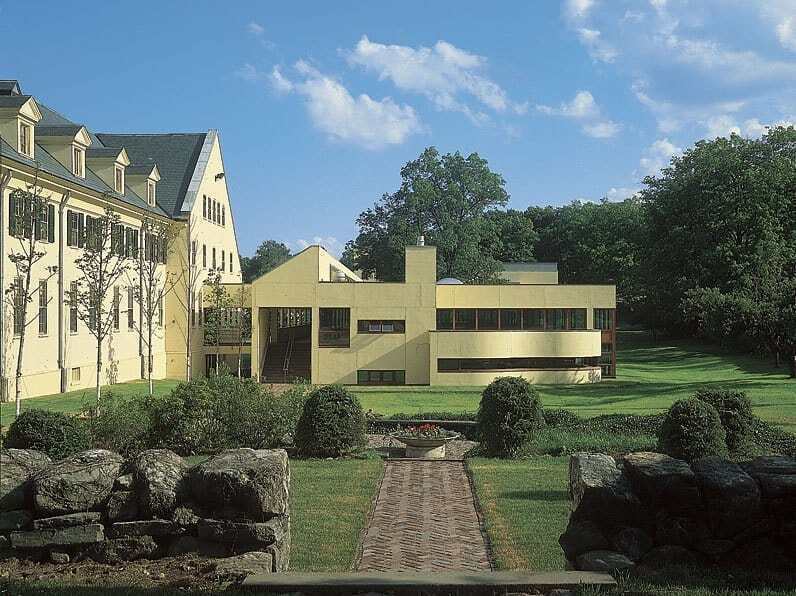
Library and Science Building Middlebury, CT Westover School is a private boarding school for women on a 150-acre rural campus. The campus is dominated by the Main Building, designed in 1907 by Theodate Pope Riddle. Beyond the Main Building, and to the south, lies the Field, a large lawn and playing field used for athletics and graduation ceremonies. The Library and Science Building includes a 40,000-volume academic library with a rare book collection. Continue BackThe building is organized along an elevated arcade that extends and is connected to those of the Main Building and overlooks the Field. The new facilities are reached through entrances off the arcade. Primary spaces—the science laboratories and the library reading room—are sited a half level below the arcade, at the grade of and overlooking a smaller landscaped area to the west. Ancillary spaces—stacks, study carrels, faculty offices, preparation rooms and computer center—are arranged beneath the arcade. These two levels are separated by a two-story skylit gallery, bridged by entrances from the arcade. The composition of building elements with a new façade that incorporates a renovated activity center is punctuated by the observatory housing the school’s 8” telescope.
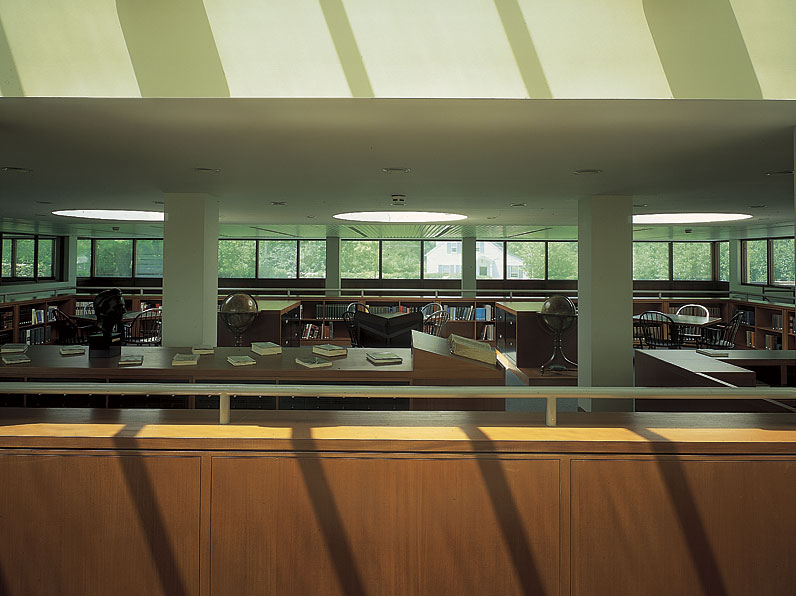
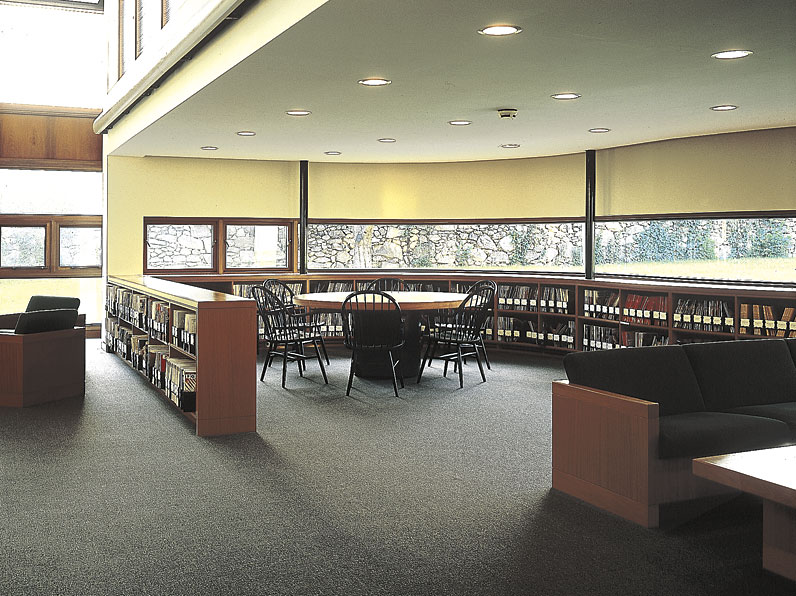
The library’s main desk and reference area offer views over the main reading room, one level below, to the west, and out to a garden edged by a stone wall. This upper level of the library is illuminated by three circular skylights. At the north end of the two-story reading room is a one story periodicals area defined by a sinuous wall. The cabinets and curtain walls in the science labs are finished in mahogany, giving them the feel of an old college lab: glass, metal, dark wood.
Westover’s pedagogical philosophy is to allow its students access to the materials of education: lab spaces, the library, and the activities center are kept open for students to use. There are no locked doors.
Architecturally, the library and science building reiterates this notion of openness with views between spaces and no barriers between the building’s library and science wing. While capturing views of gardens and playing fields, the building also provides students and faculty relief from the cloister.
Architecture Magazine, May 1988
Youngstown State University
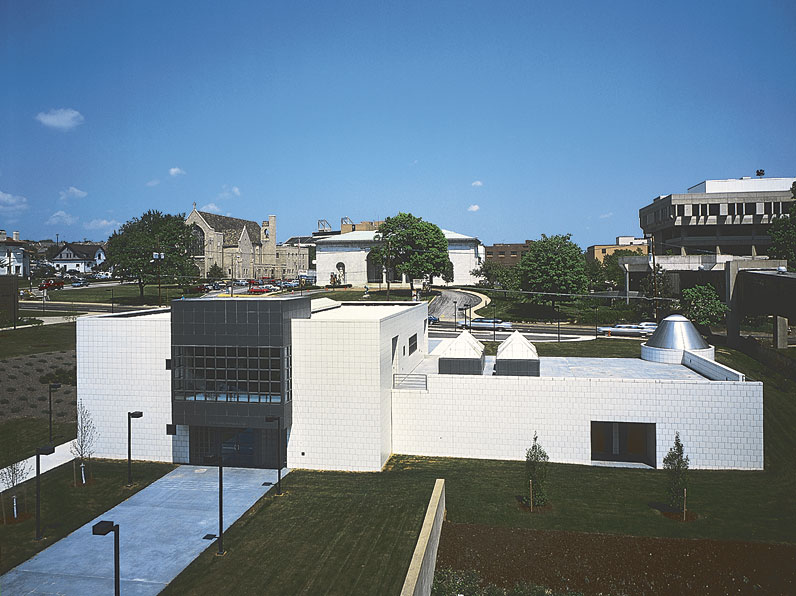
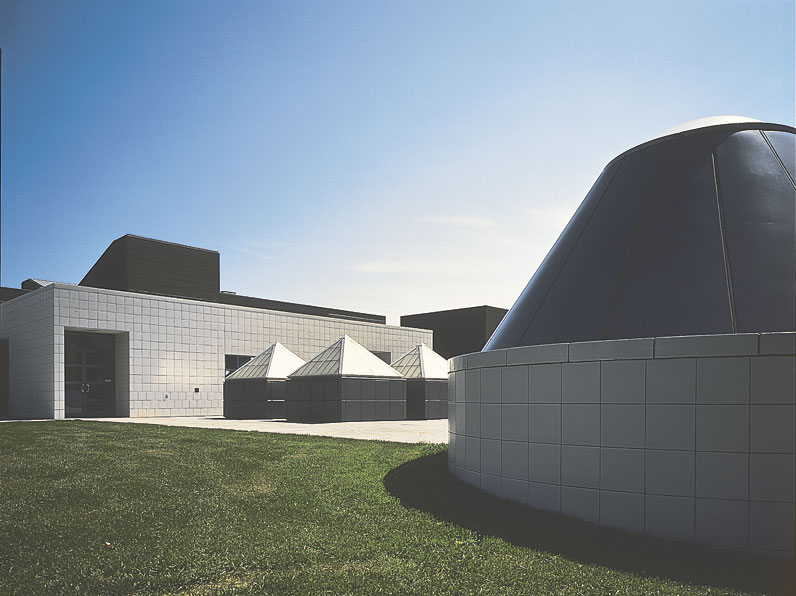
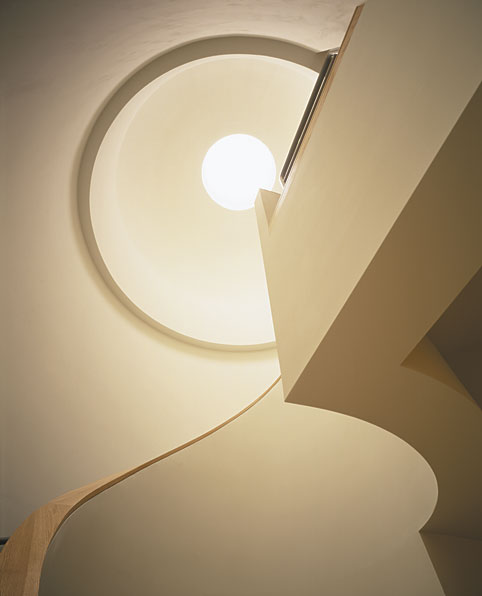
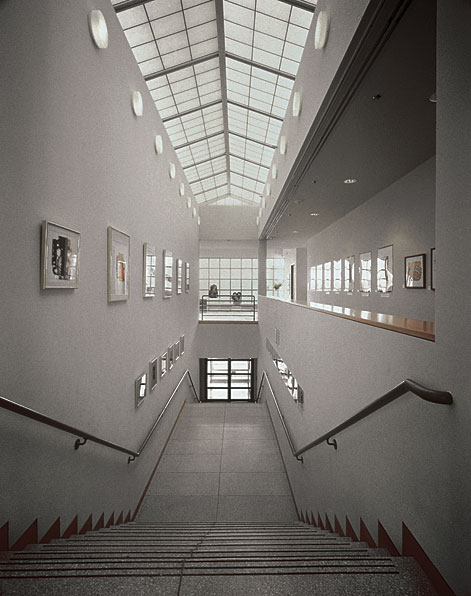
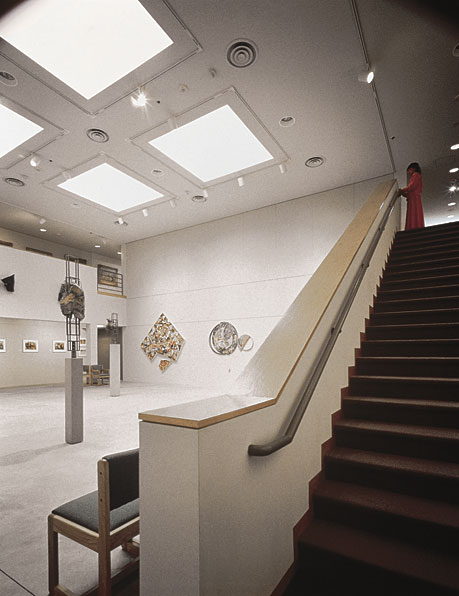
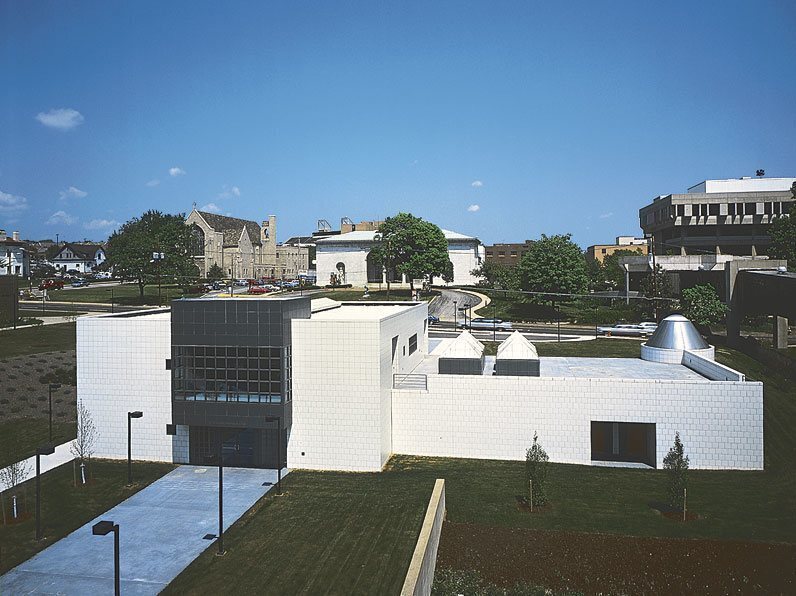
John J. McDonough Museum of Art Youngstown, OH This fine arts gallery for rotating exhibits was designed for faculty and student shows and also serves as a multipurpose meeting space. An outdoor sculpture terrace and lecture theater are integrated into the site. Located at the edge of the campus across Wick Avenue from the Butler Art Museum, the prominent sloping site was a primary determinant in the building's organization. Continue BackThe traditional gallery is adjacent to the lower entry and the double-height, flexible, experimental gallery is another level below grade, adjacent to the service tunnel, which relates to the existing access road.
The 20,000-square-foot building was rendered in granite, tile and metal panels, presenting itself as a discreet architectural object in the “garden” perceived in counterpoint to the surrounding existing large-scale structures.
Middlebury College
Middlebury, VT
Princeton University
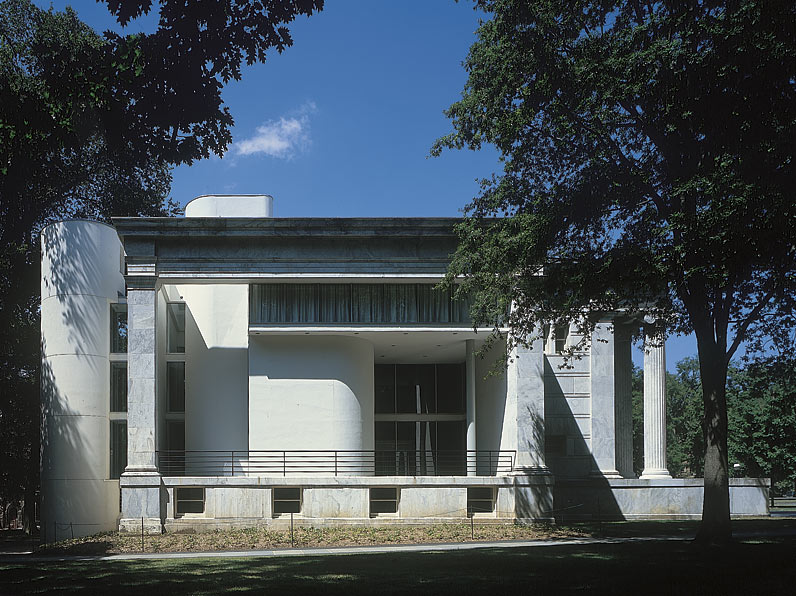
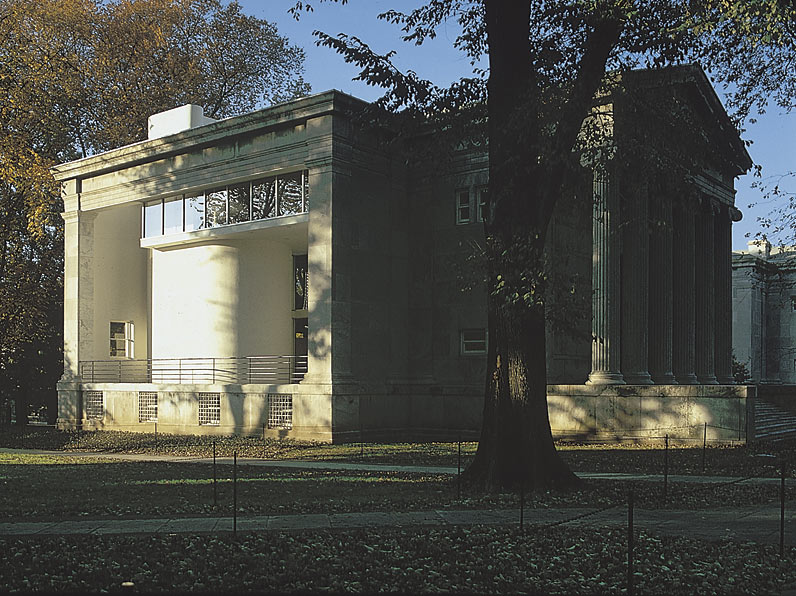
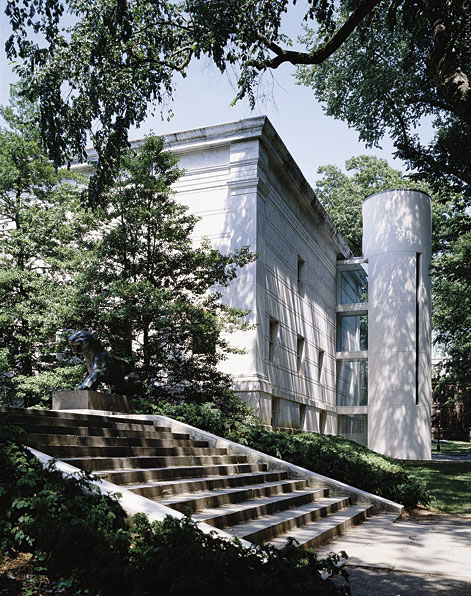
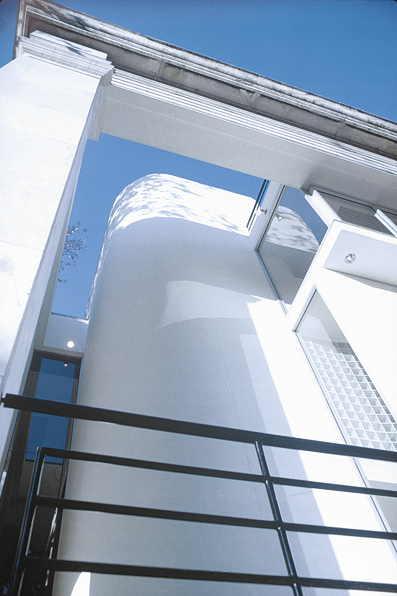
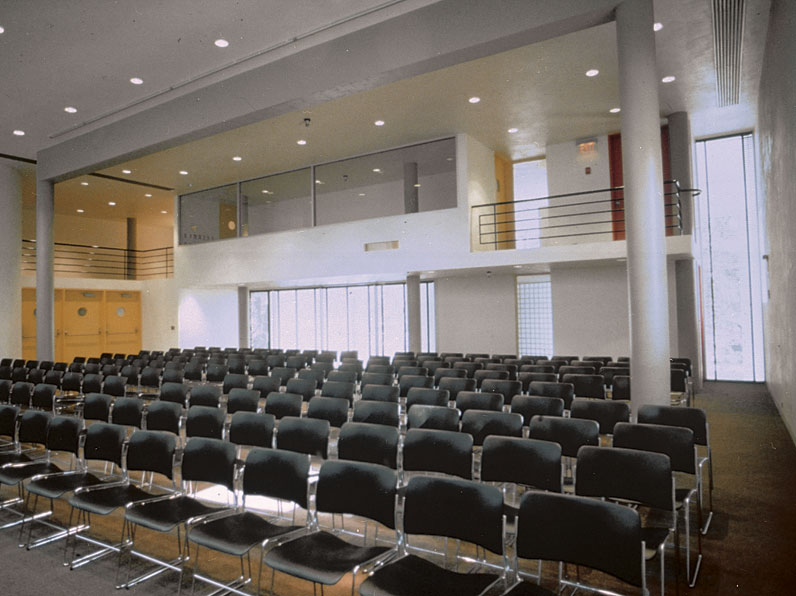
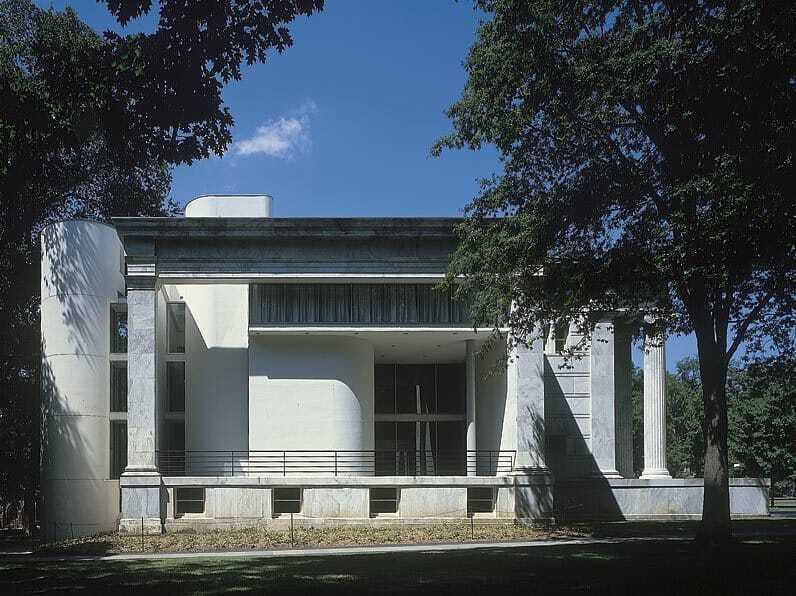
Whig Hall Princeton, NJ At the heart of Princeton’s campus lies Canon Green, bounded on the south by a pair of identical neoclassical structures built to house the University’s two debating societies, Whig and Clio. When all but the exterior wall of Whig was destroyed by fire, the University took the rebuilding program as an opportunity to strengthen ties of its formal center to current student use. Continue BackFurther, new construction had to be built to current building—particularly fireproofing—codes and be fitted with a modern air conditioning system. The new facility is structurally and aesthetically independent from the shell of the original building within which it sits. To avoid overburdening old walls and foundations, new full height columns were lowered on to newly created foundations within the old building’s perimeter. By removing the east wall, the structure and the activity held within are visible to students along the busy cross campus path to the east.
The Sackler Center for Arts Education – Guggenheim
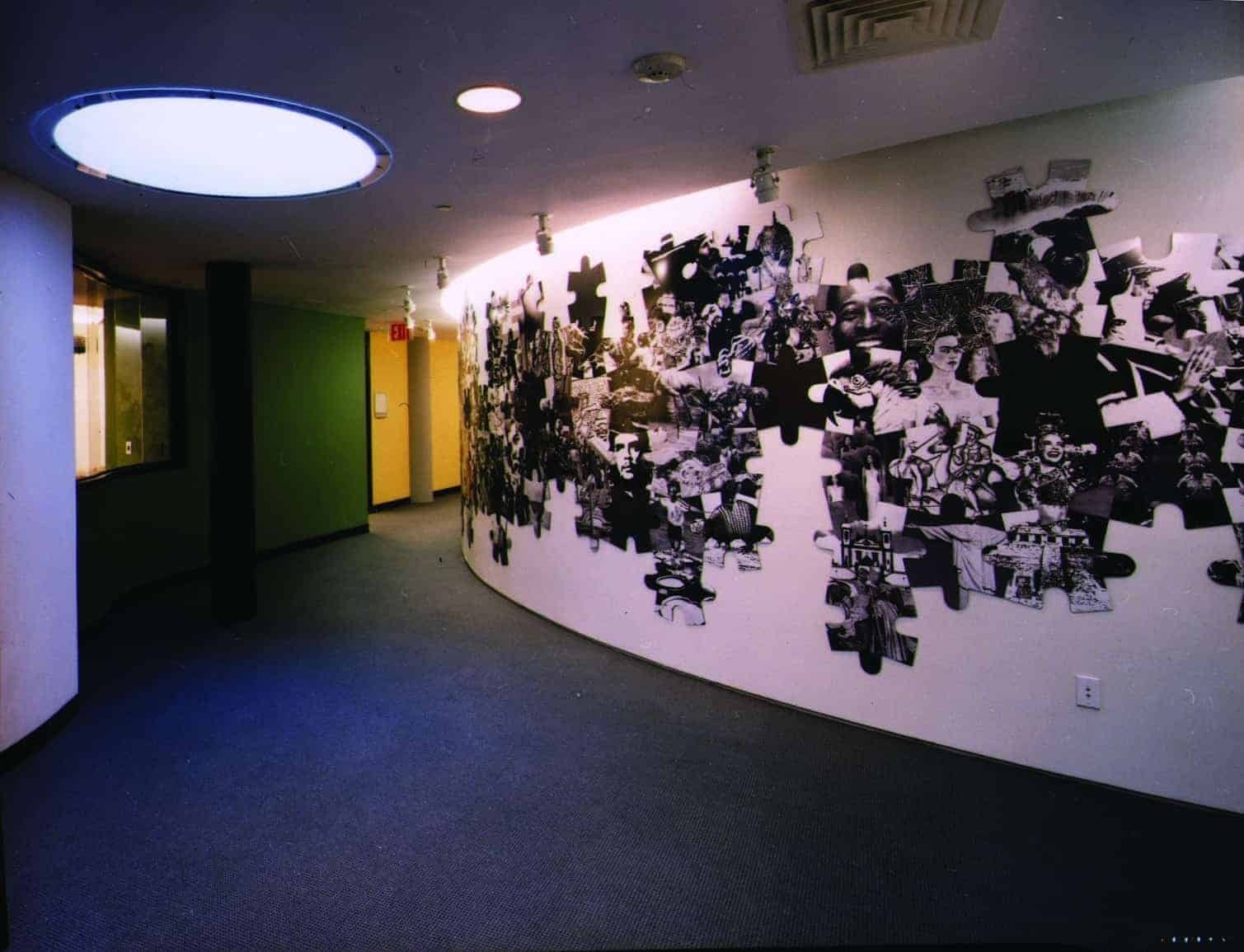
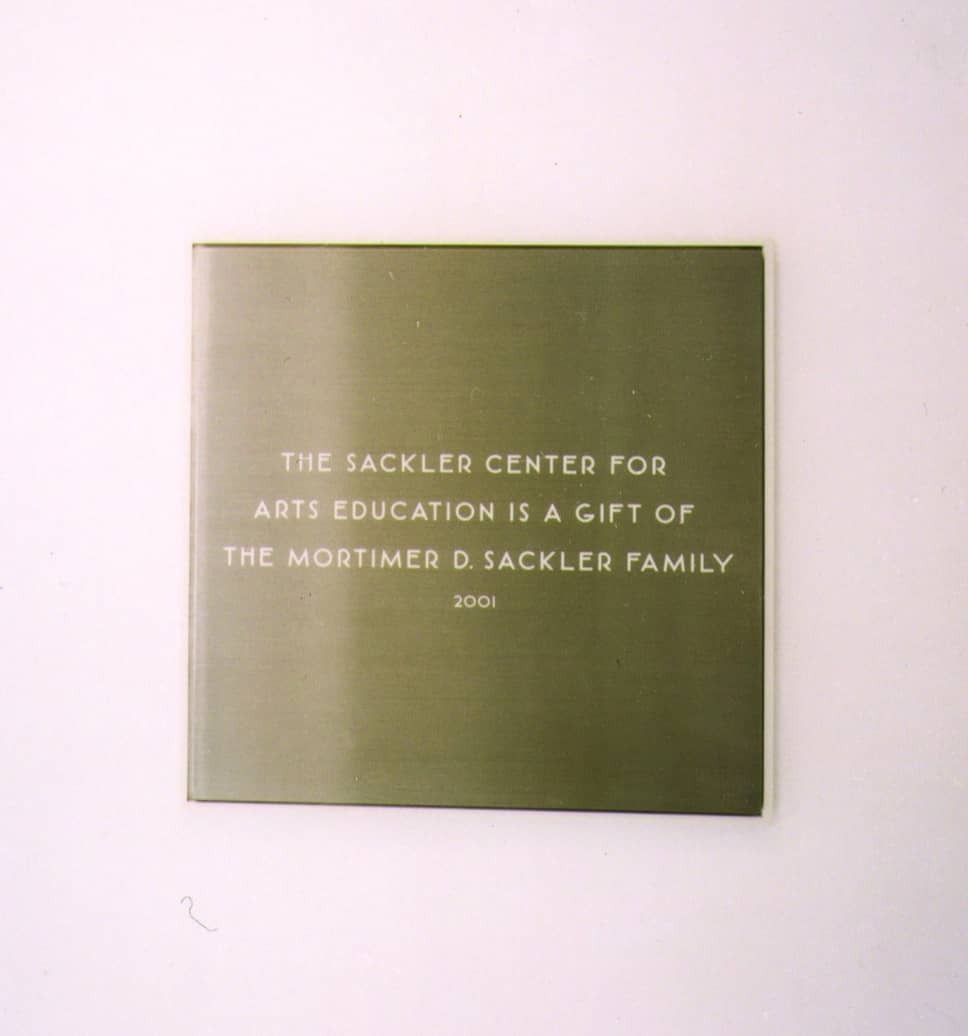
The Sackler Center for Arts Education New York, NY Continue BackThe Sackler Center for Arts Education – Guggenheim
1071 5th Ave. New York, NY 10128Y
The City University of New York
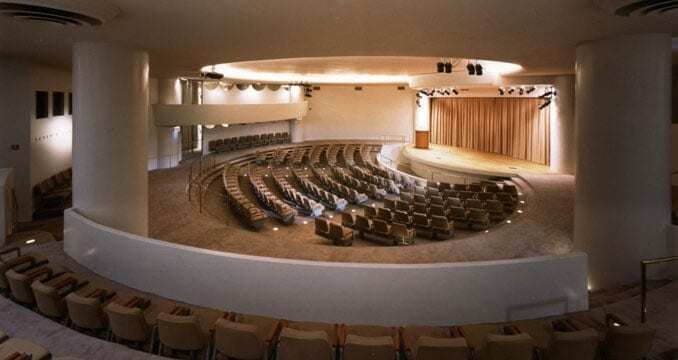
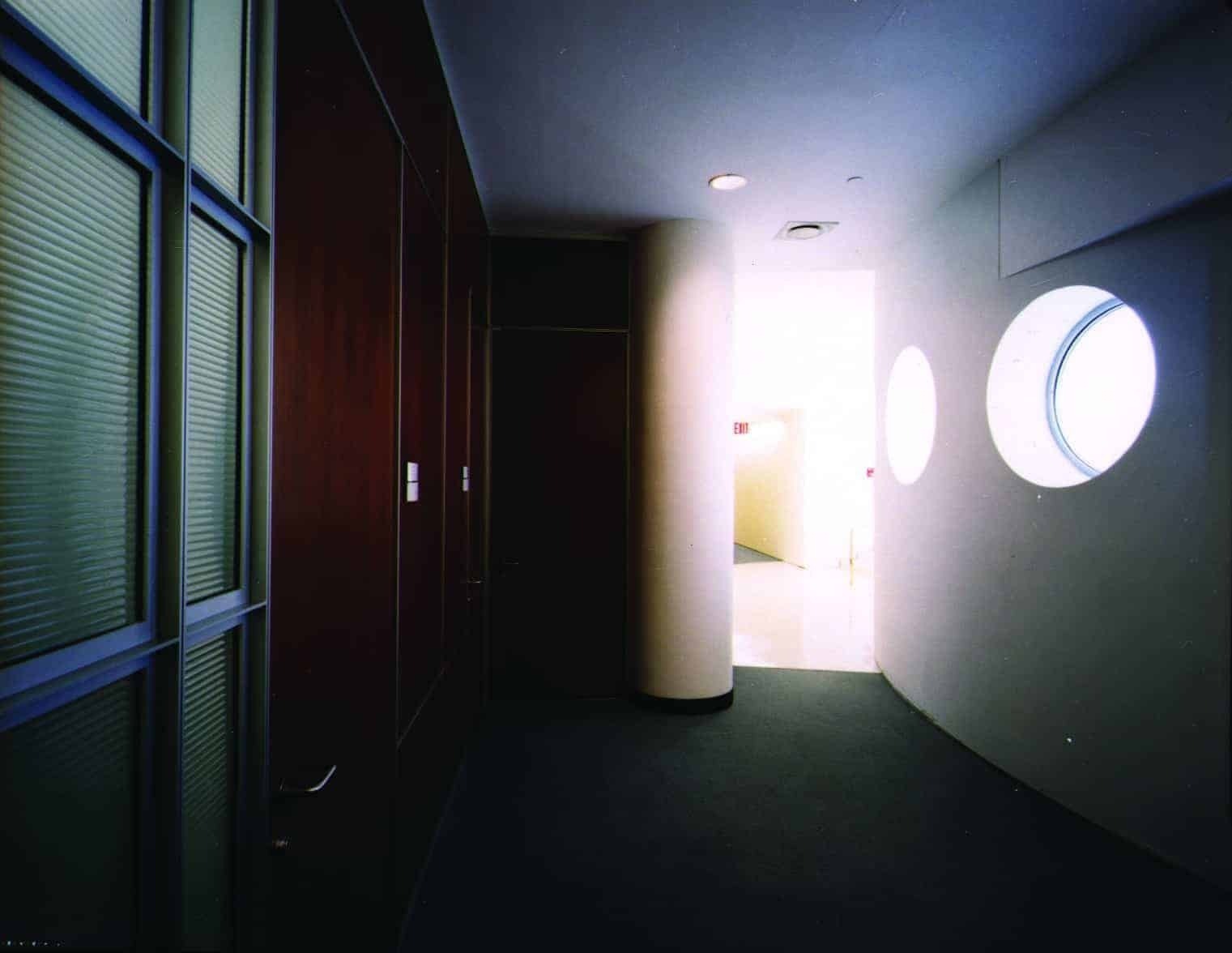
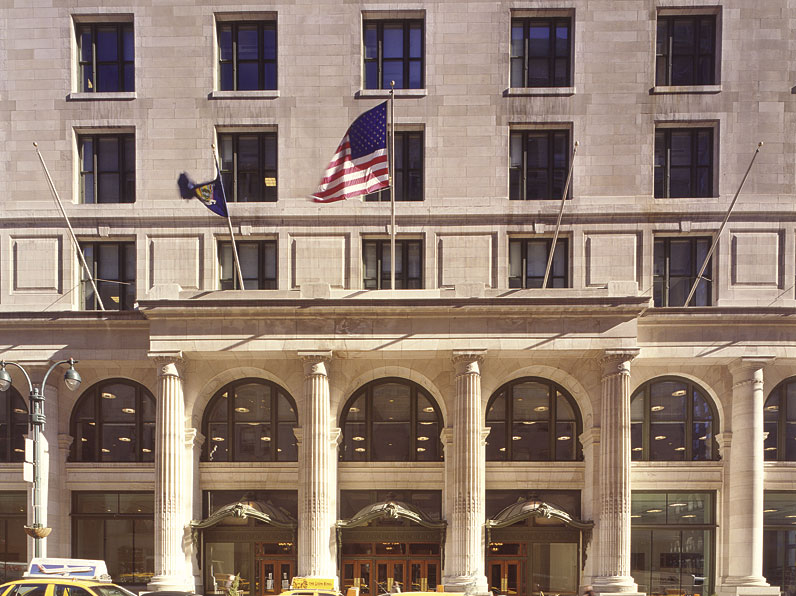
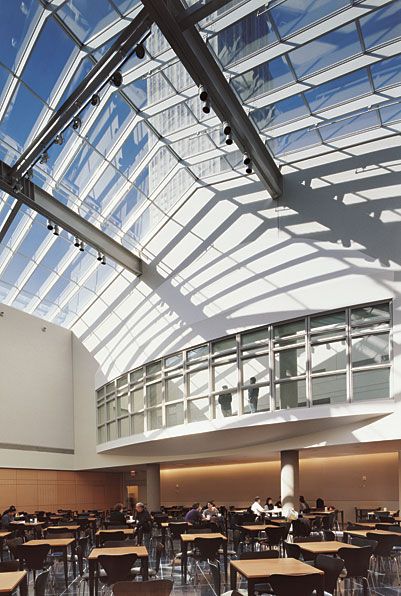
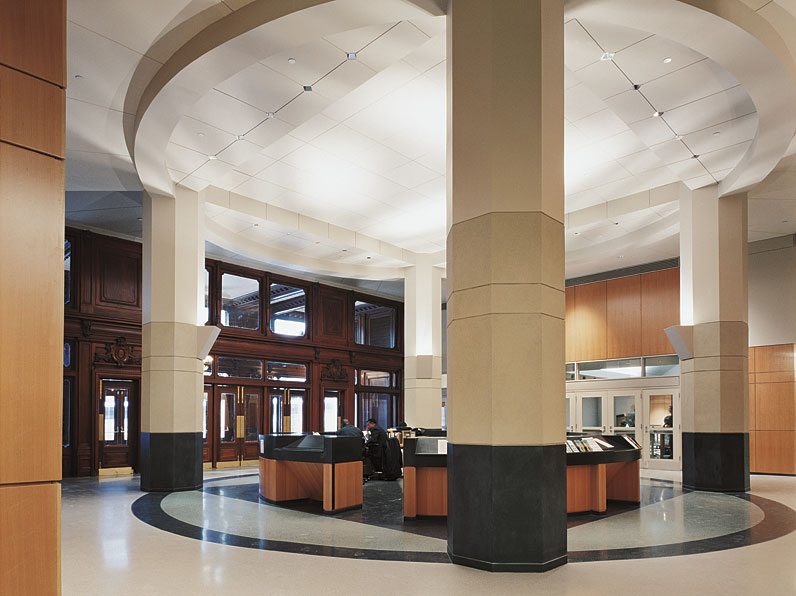
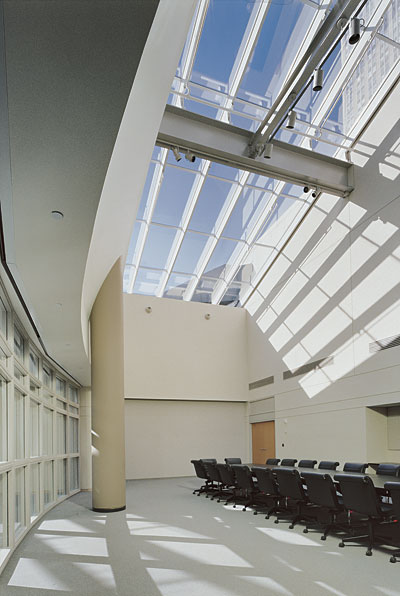
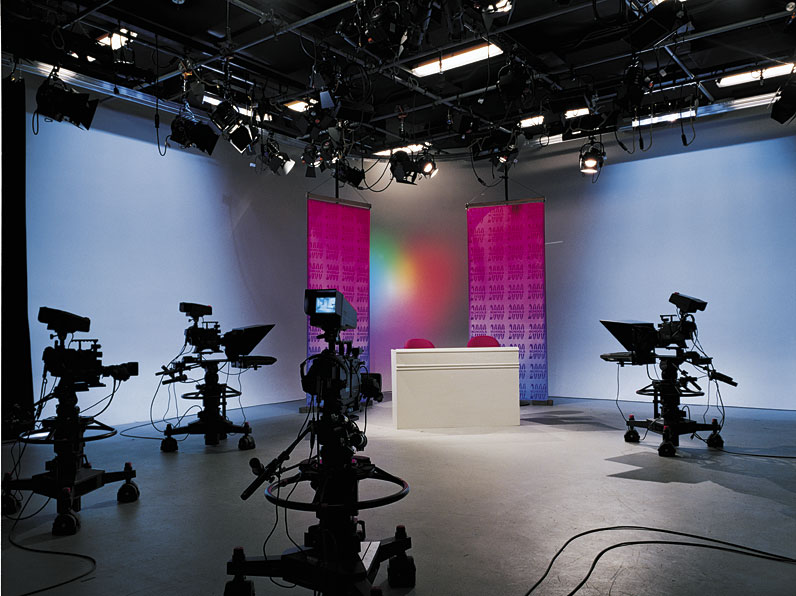
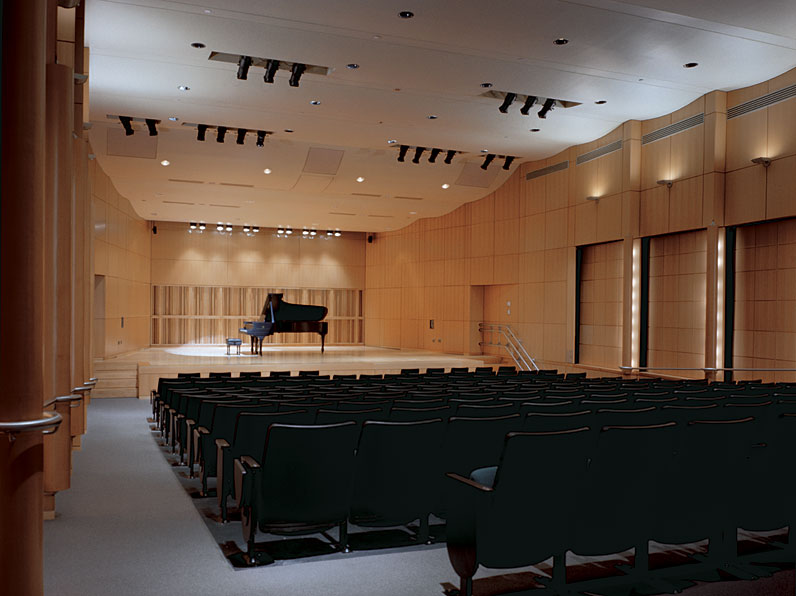
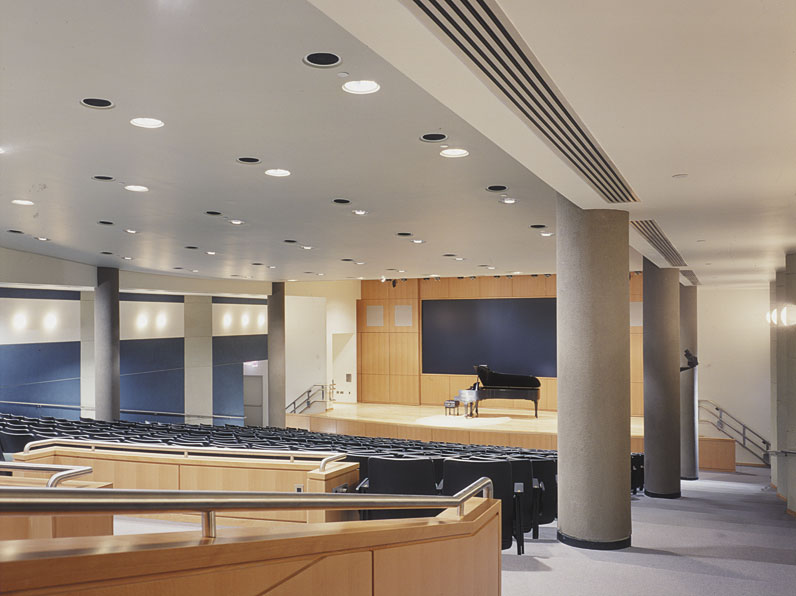
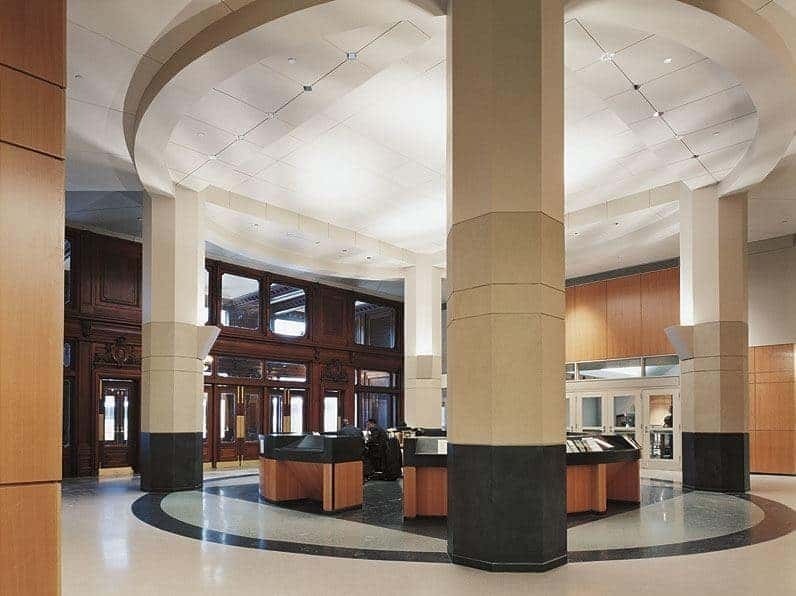
The Graduate Center New York, NY The Graduate Center is on twelve levels of the neo-classical landmark B. Altman's Department Store Building. It includes the restoration of historic interior building elements, structural modifications and a technological infrastructure replacement. Public areas on the lower levels include an auditorium, recital hall, black box theater, TV studio, art gallery, bookstore/coffee bar, and conference center. Continue BackThe academic heart of the campus is the 92,000-square foot research library, which occupies the entire second floor and portions of the ground and lower levels. It has its own internal vertical circulation system and a separate entrance from the main lobby.
Library facilities include open shelving for over 250,000 periodicals and monographs, 1,000 work stations of which more than half are wired to support either lap-top or desk-top computers, fully equipped state of the art Electronic Training Rooms, group study areas, miscellaneous special collection rooms, dissertation archives and music listening stations – all supporting the diverse and highly specialized academic departments.
University of Cincinnati
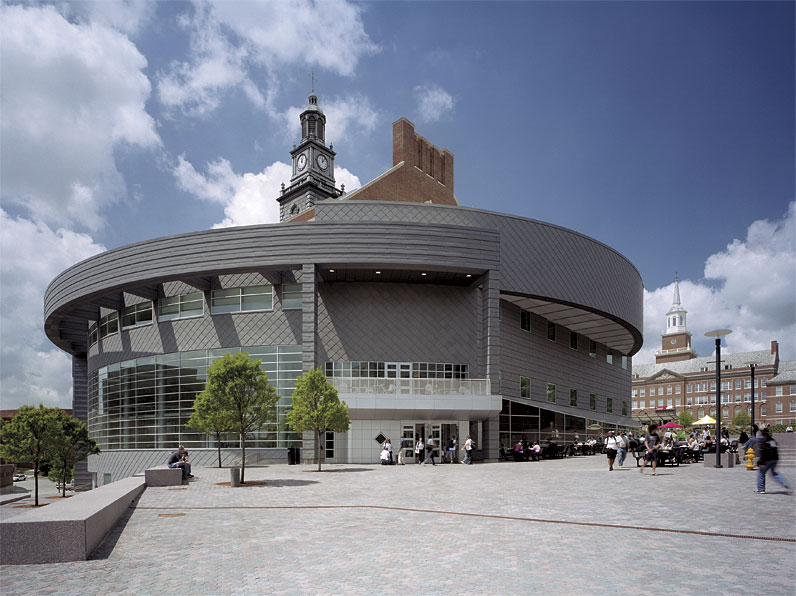
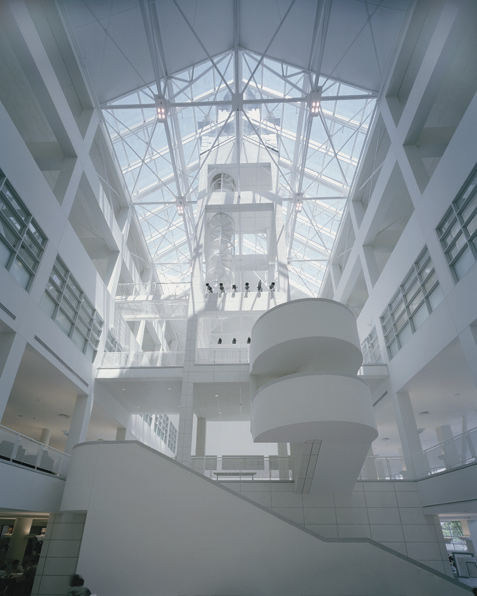
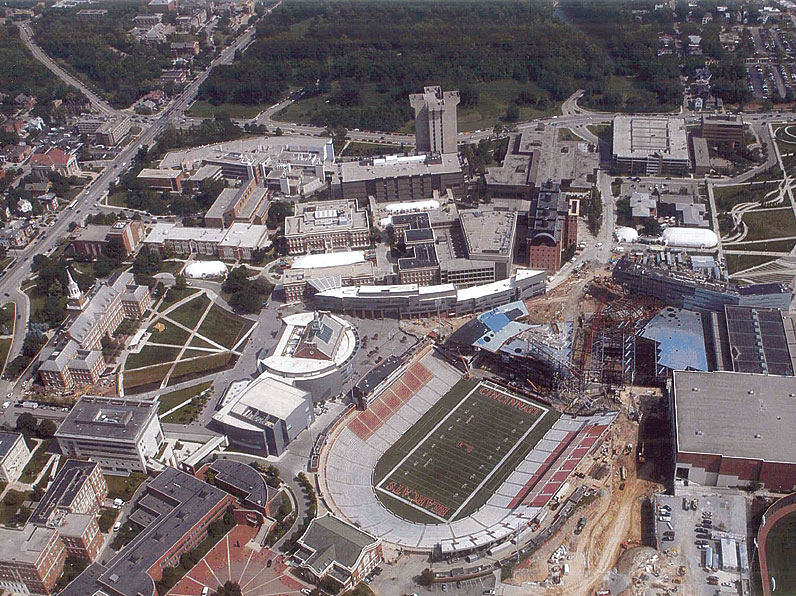
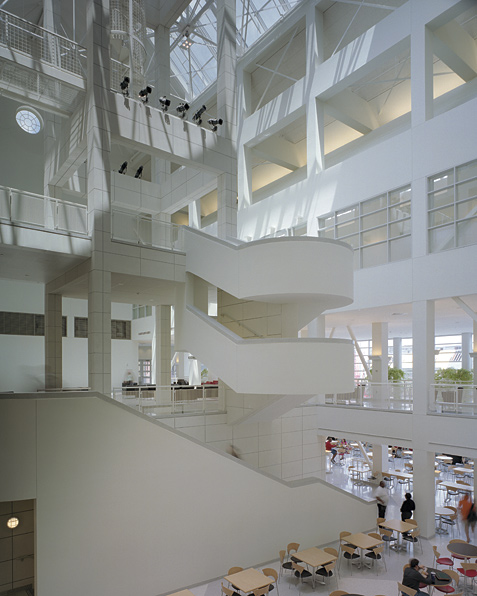
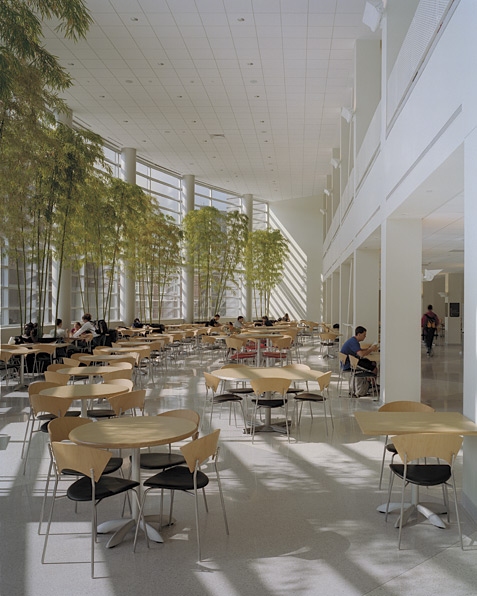
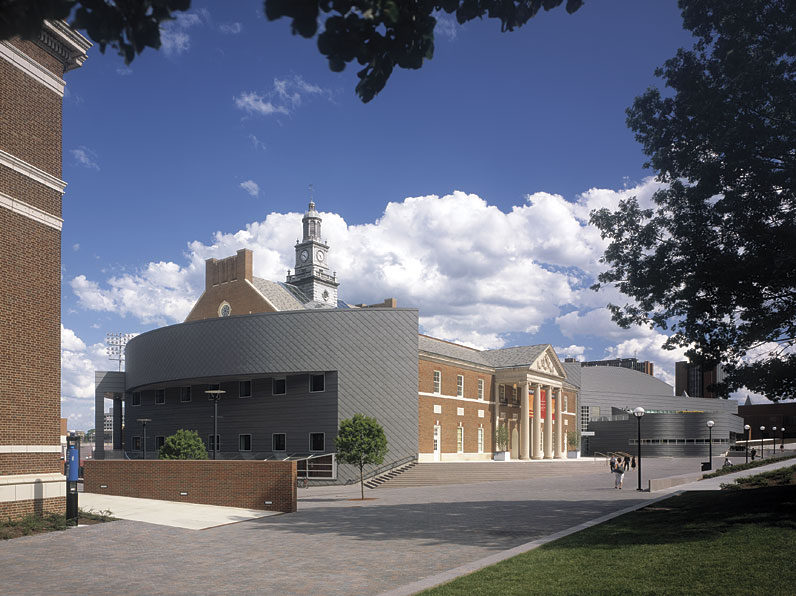
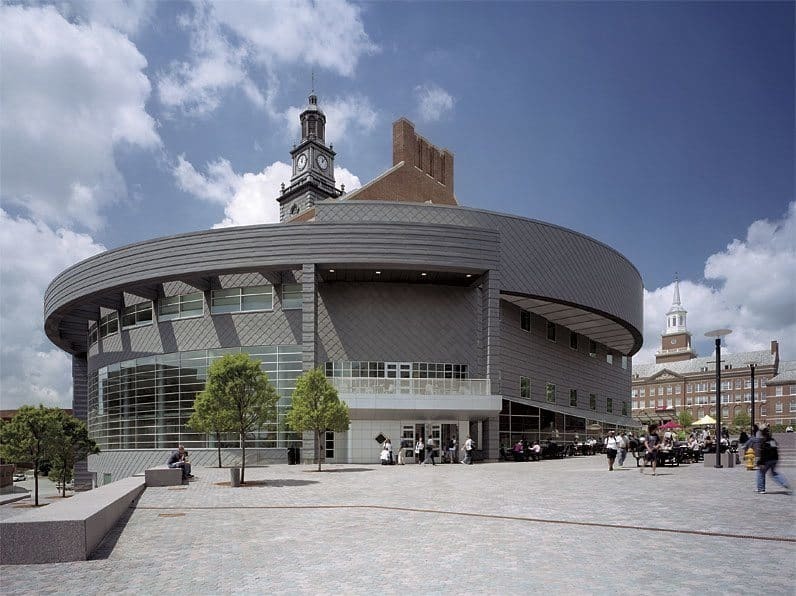
Tangeman University Center Cincinnati, OH The Tangeman University Center is a key component of a major initiative to redevelop the University of Cincinnati’s campus core. As the centerpiece of the revitalized central campus, the rehabilitated student center manifests the University’s expressed commitment to design excellence as a means of enriching the educational experience, increasing enrollment, and improving overall competitiveness. Continue Back