MOCA expansion
North Miami, FL
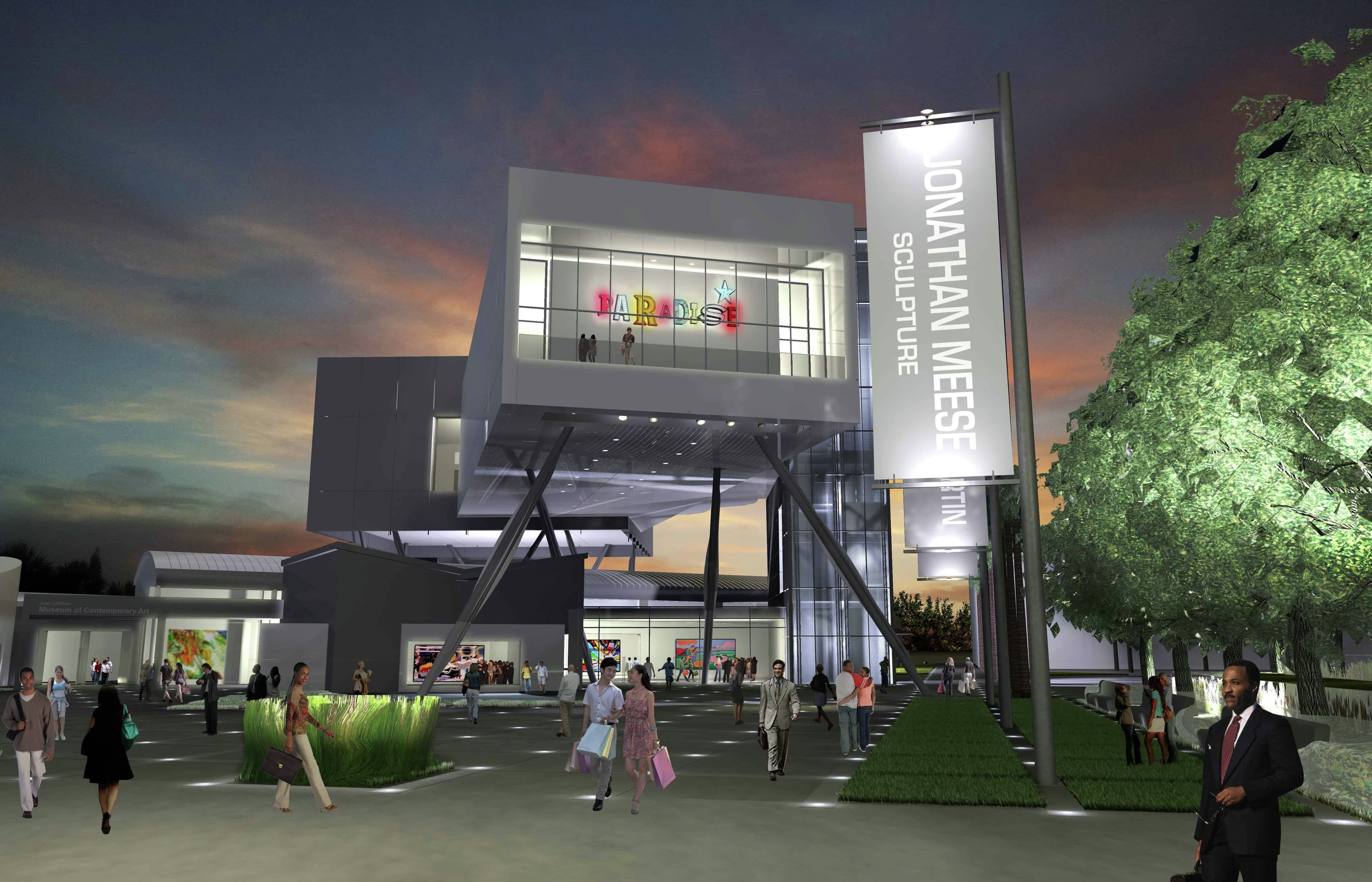
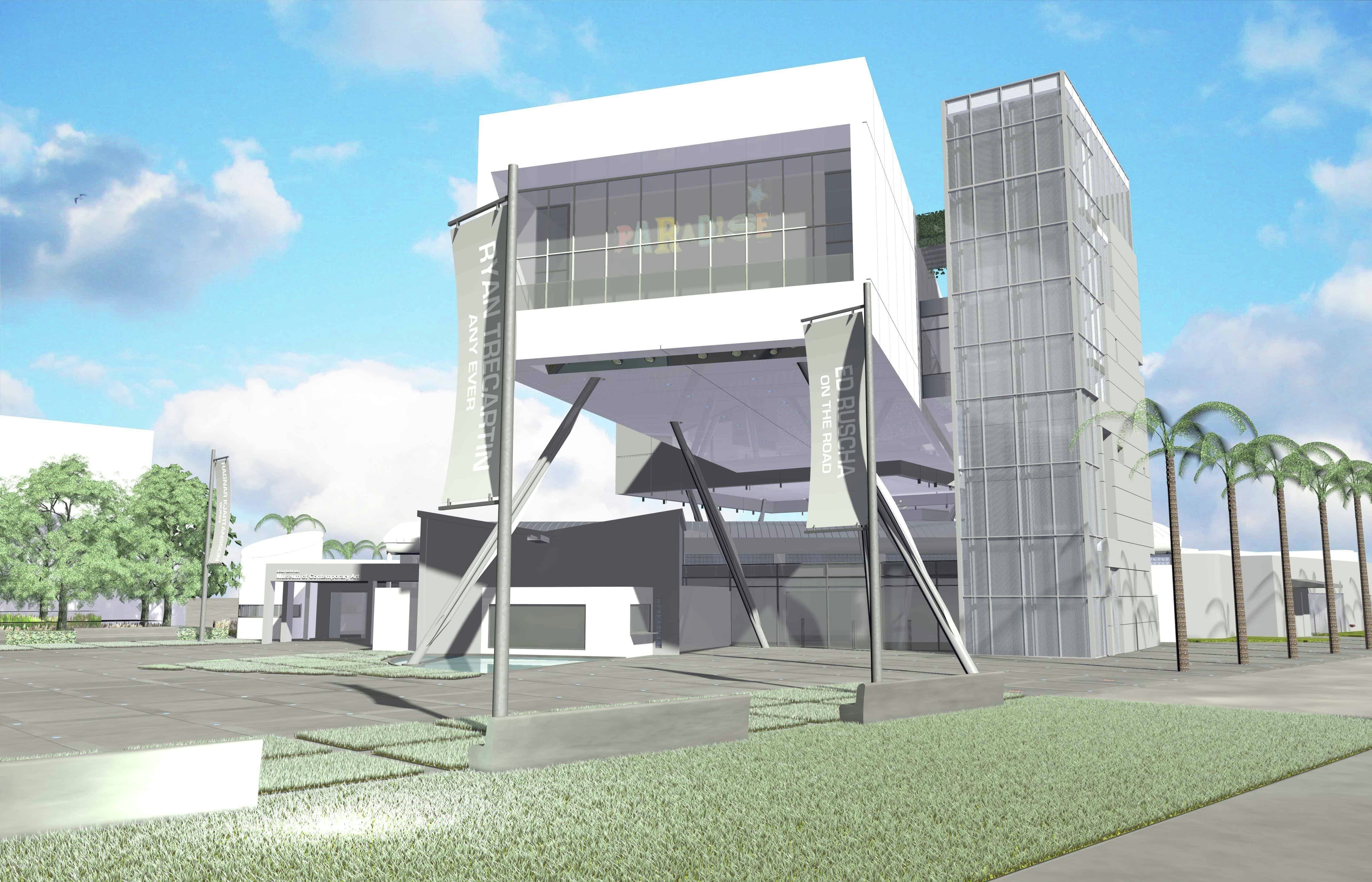
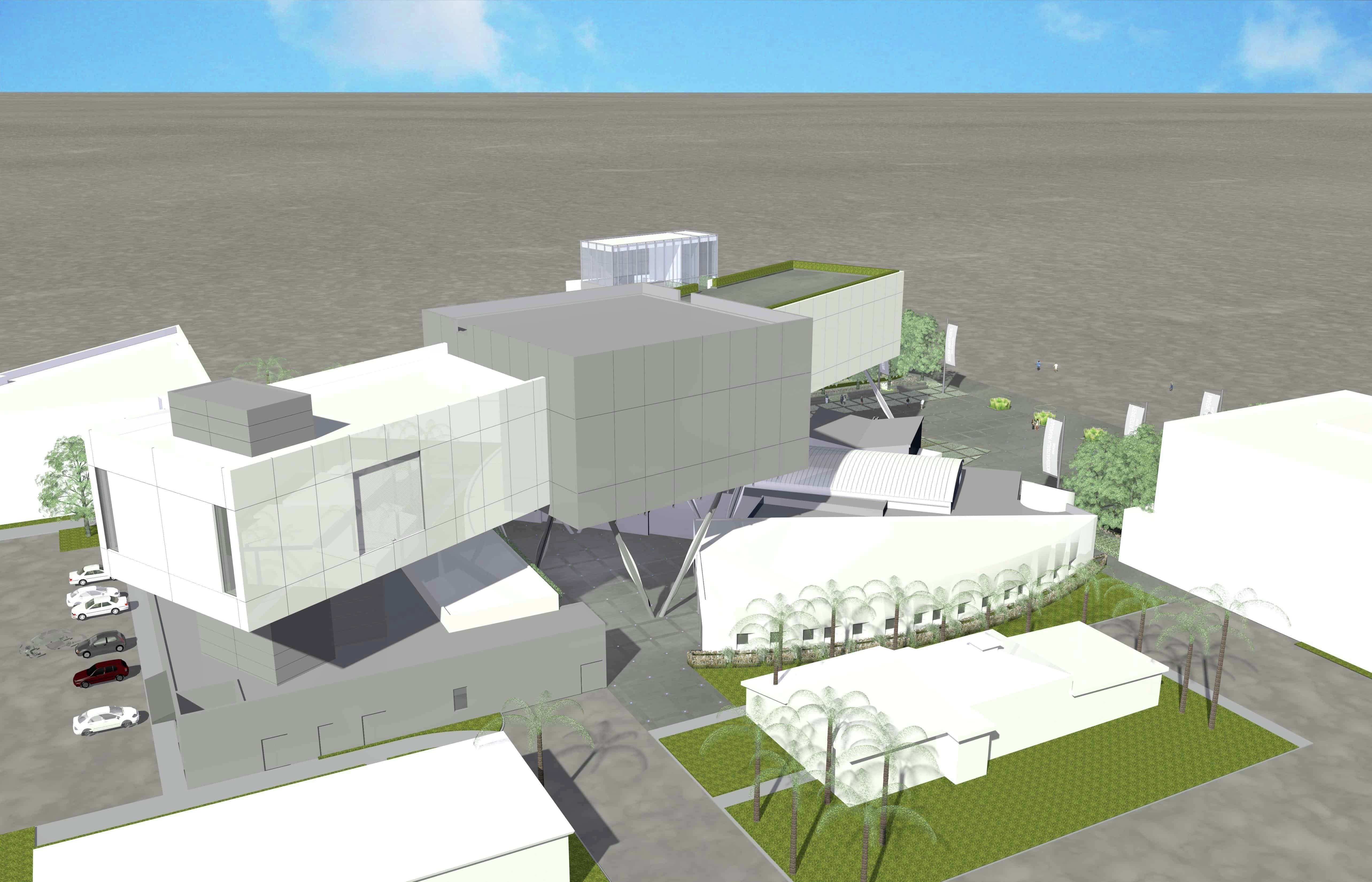
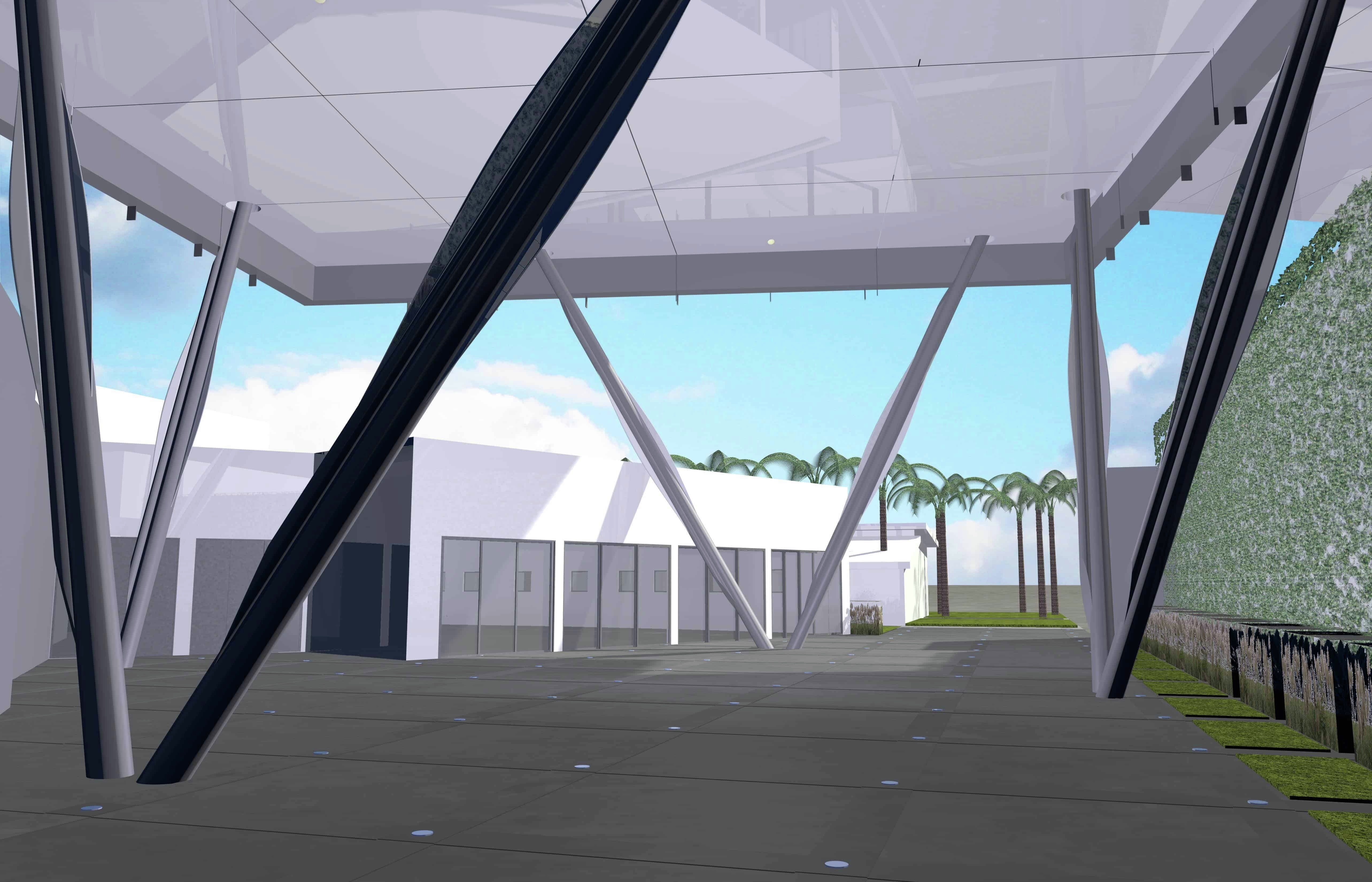
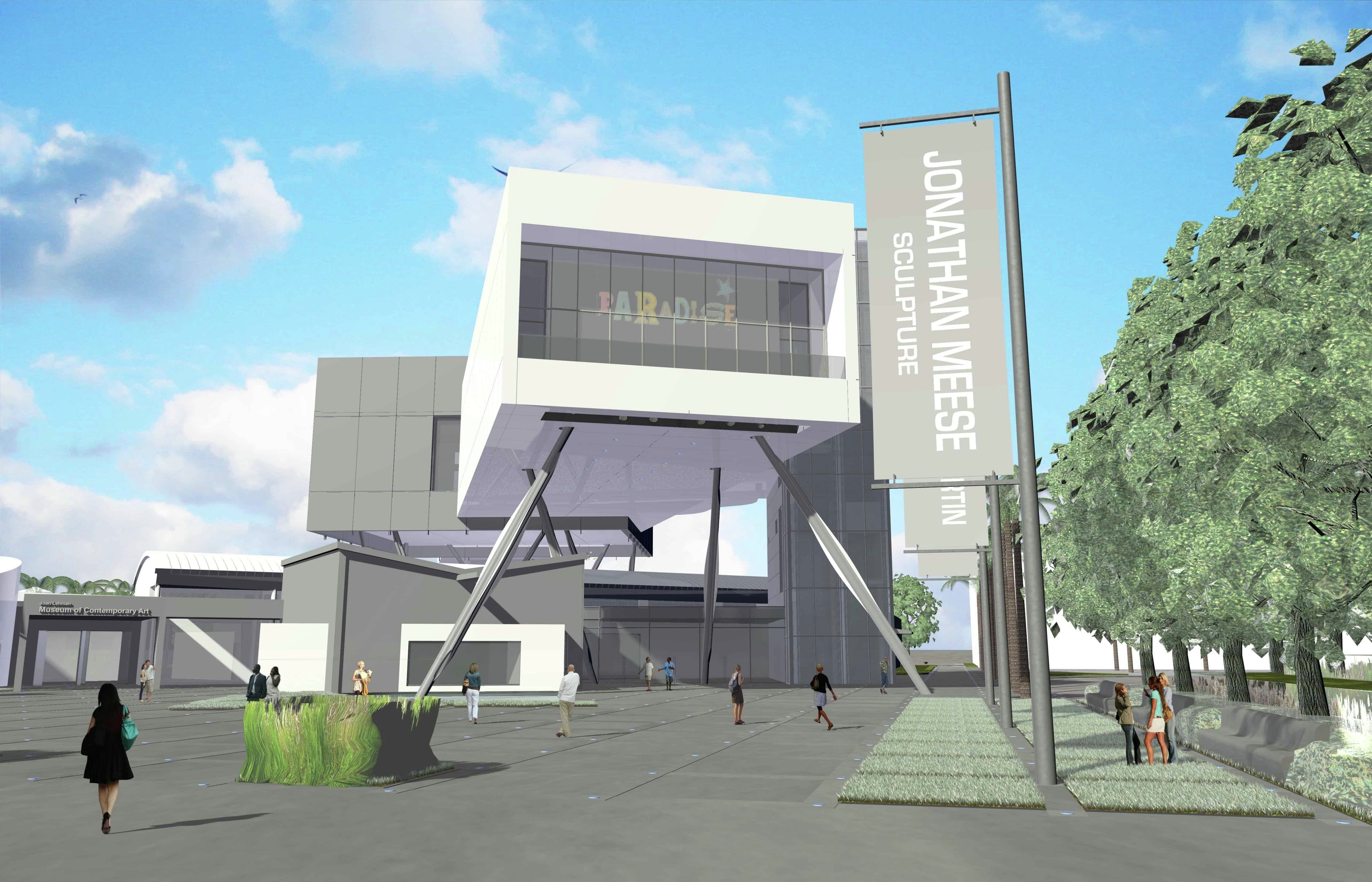
Expansion of the existing MOCA/Museum of Contemporary Art, North Miami building is an important work of contemporary modern architecture completed by our firm in 1996.
The proposed plan triples the amount of exhibition and gallery space, and expands the education center with combined multipurpose spaces including a seminar room and two classroom/art studios. A prefunction space, a community gallery, and catering pantry support the museum’s extensive educational programs and lectures series. A new lobby, gift shop, and expanded administrative offices will also be provided. The existing art storage and art-processing areas will be doubled in size to include a new workshop.
Unbuilt Project
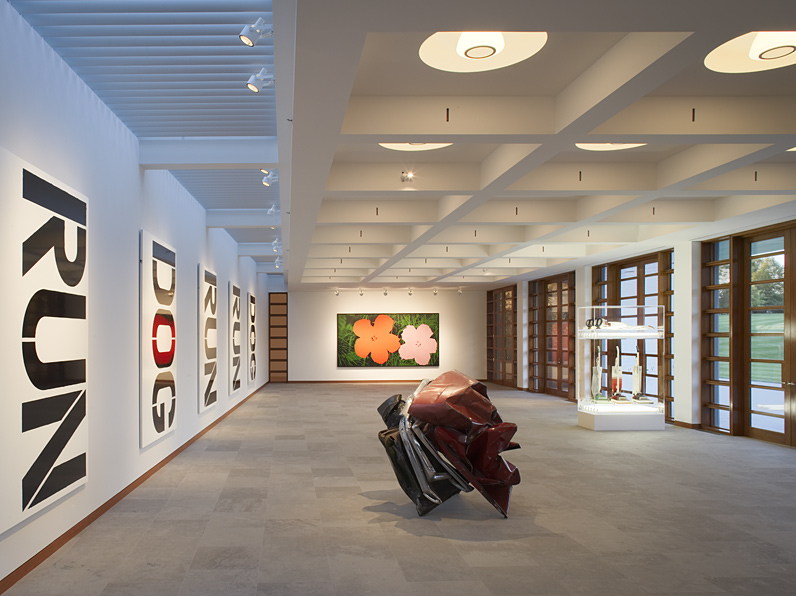
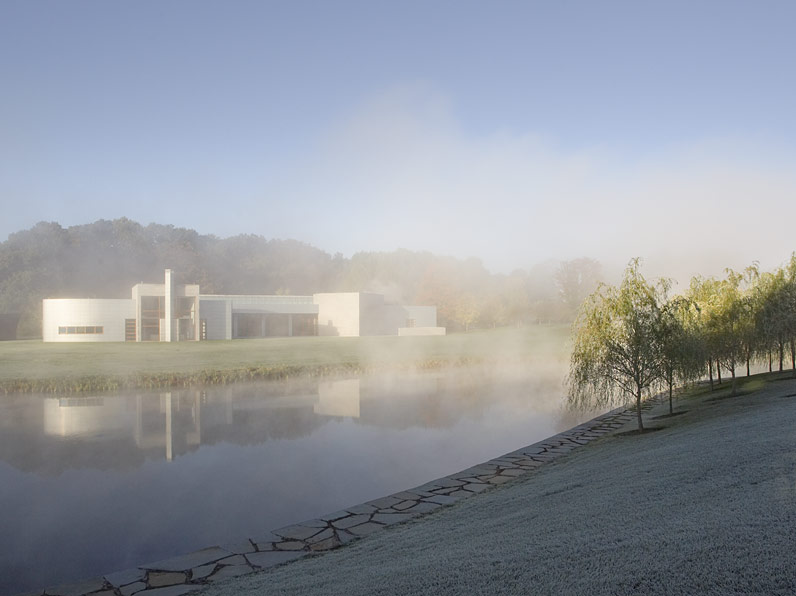
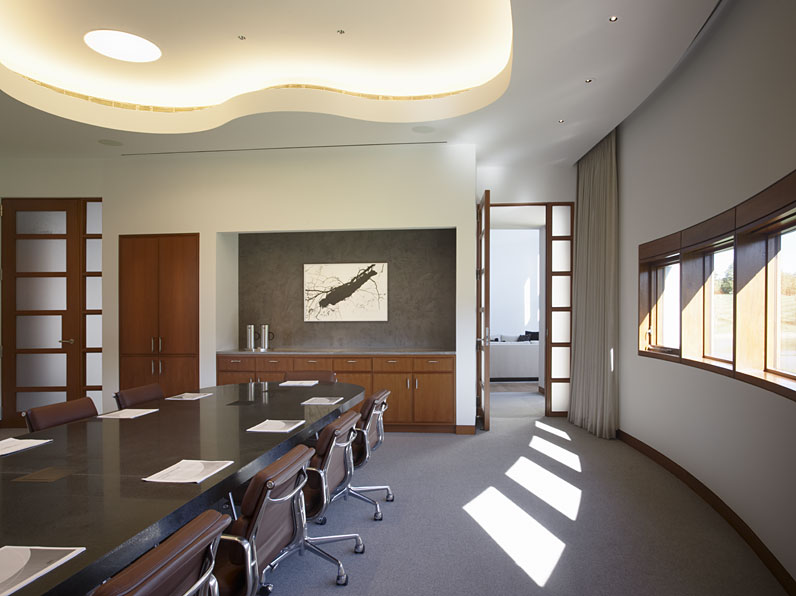
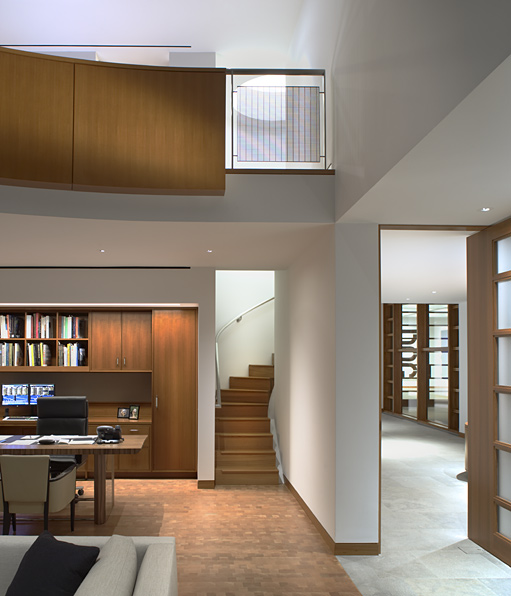
Glenstone
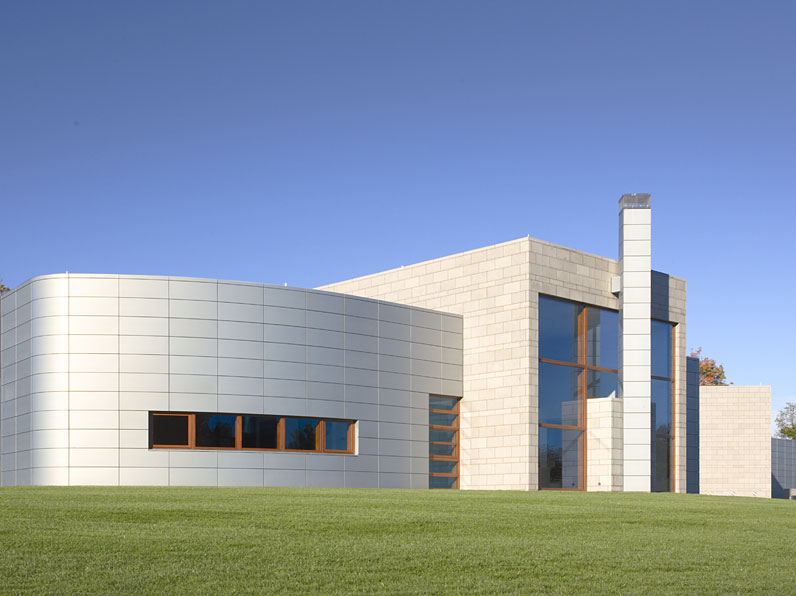
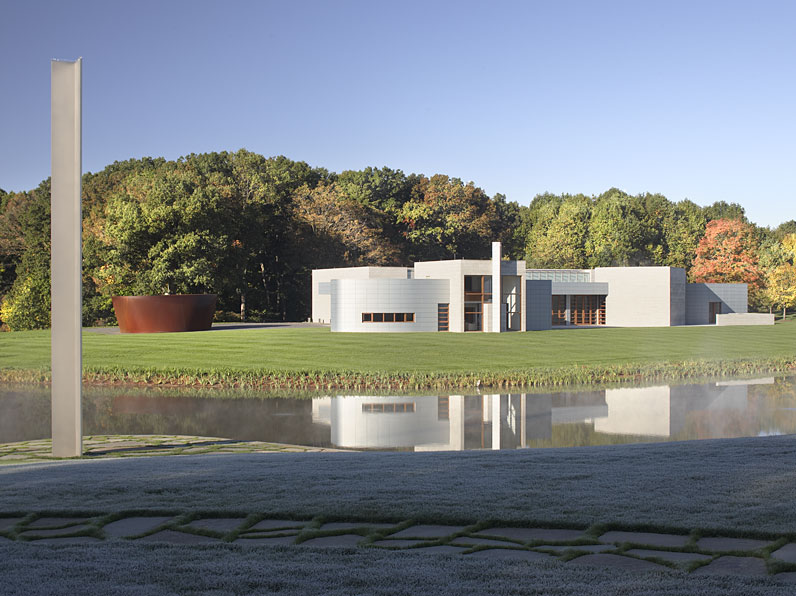
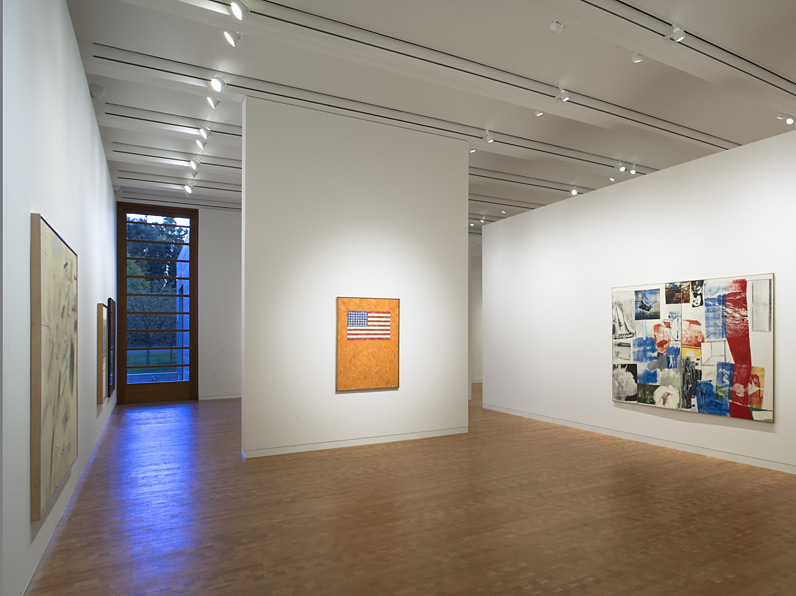
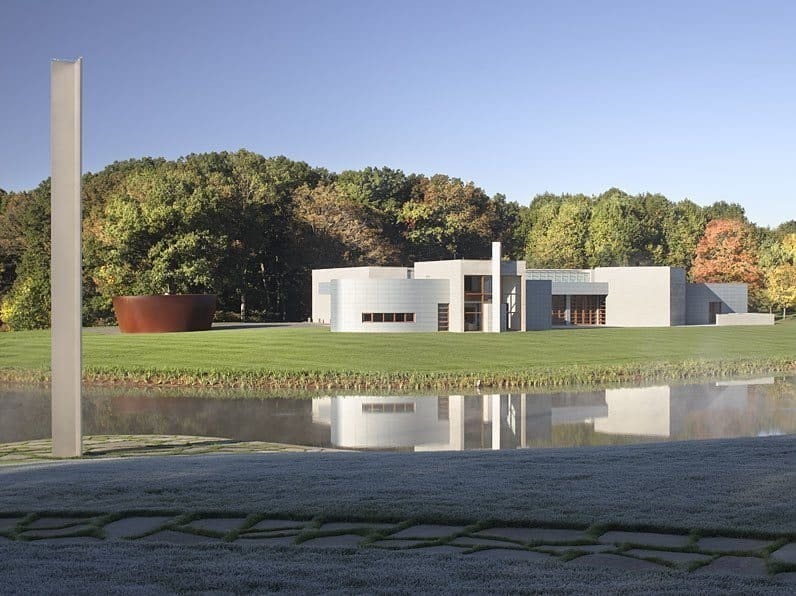
Outside Washington, D.C. Located on 150 acres of landscaped lawns, meadows, and woods, Glenstone houses post–World War II to contemporary masterworks. Glenstone faces a three-acre pond and is situated among monumental outdoor sculpture. The collection is open by appointment. Continue BackVisitors to Glenstone must first pass through the entry gatehouse, then drive along a maple tree-lined road, passing between two commissioned sculptures by Richard Serra and Tony Smith. The cobblestone entry court, anchored by another Richard Serra piece, has views of the pond and a commissioned Ellsworth Kelly totem sculpture which acts as the site’s fulcrum.
Jewish Children’s Museum
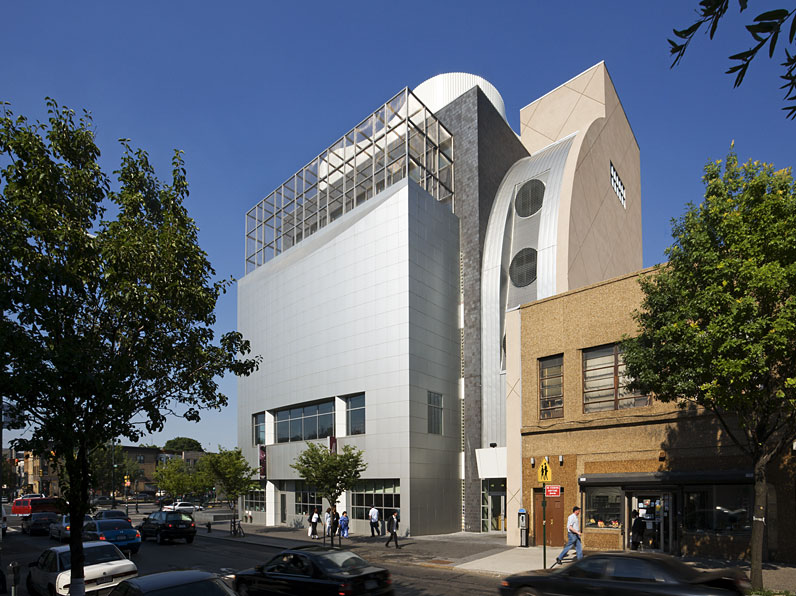
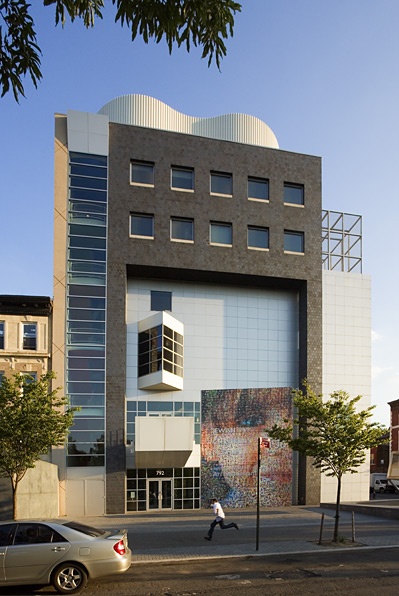
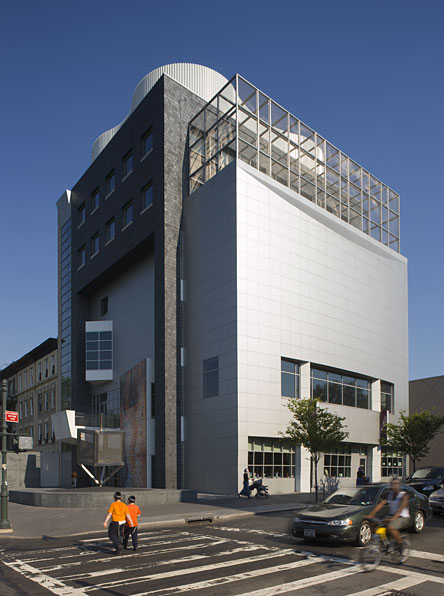
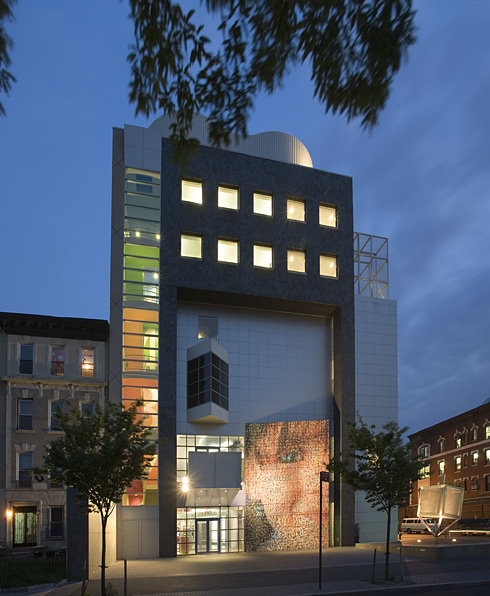
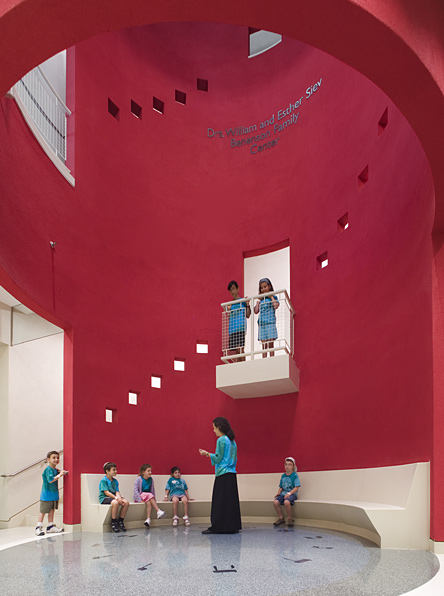
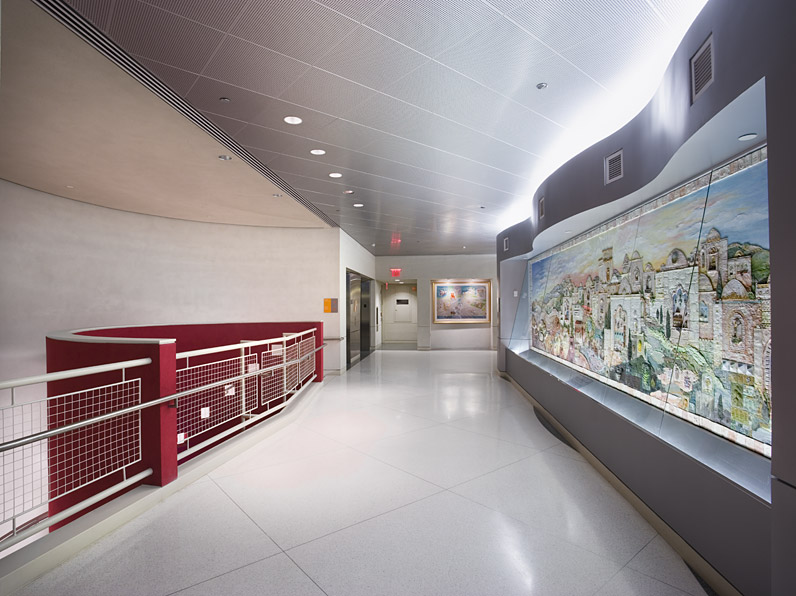
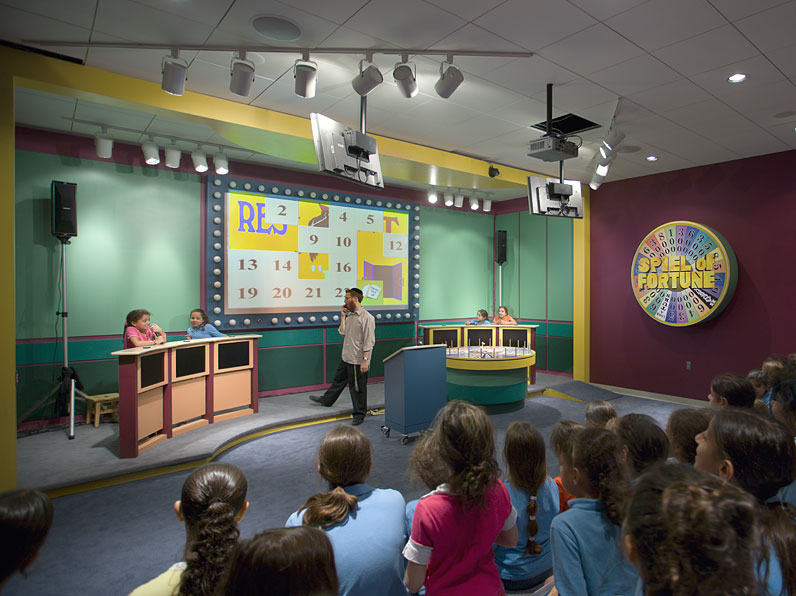
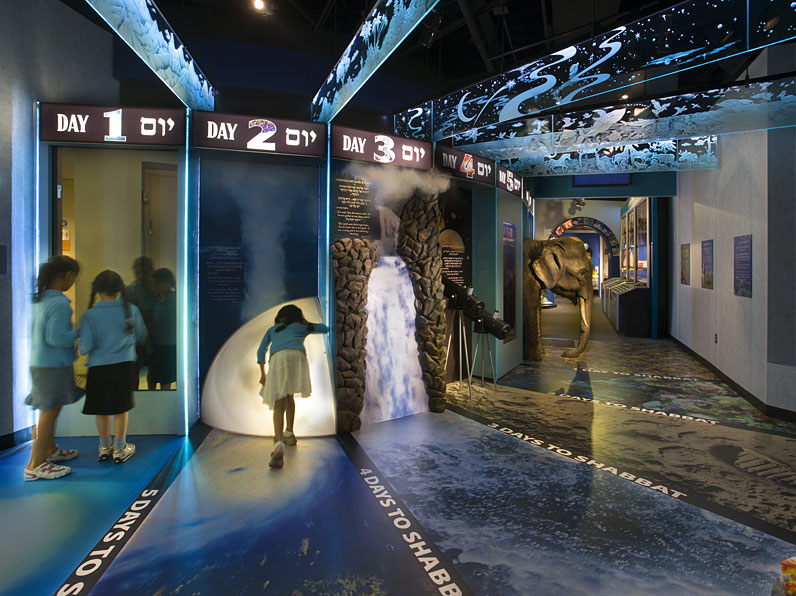
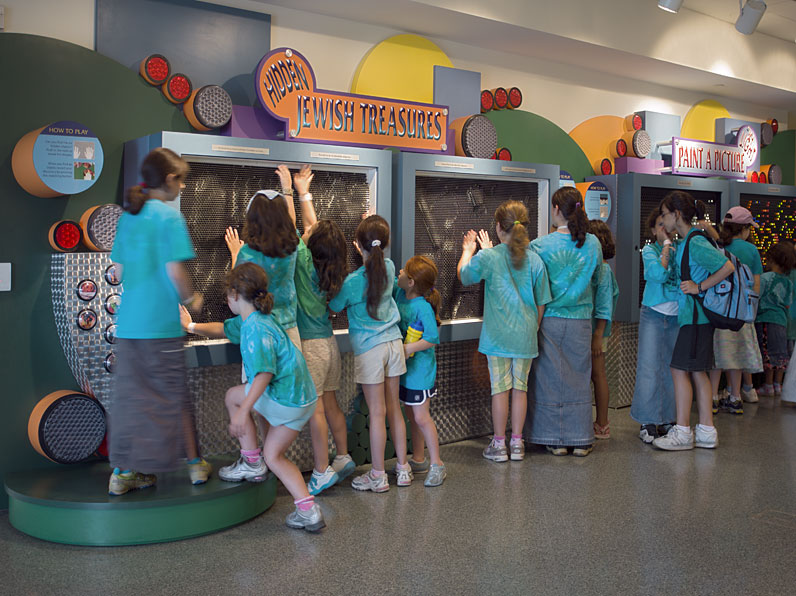
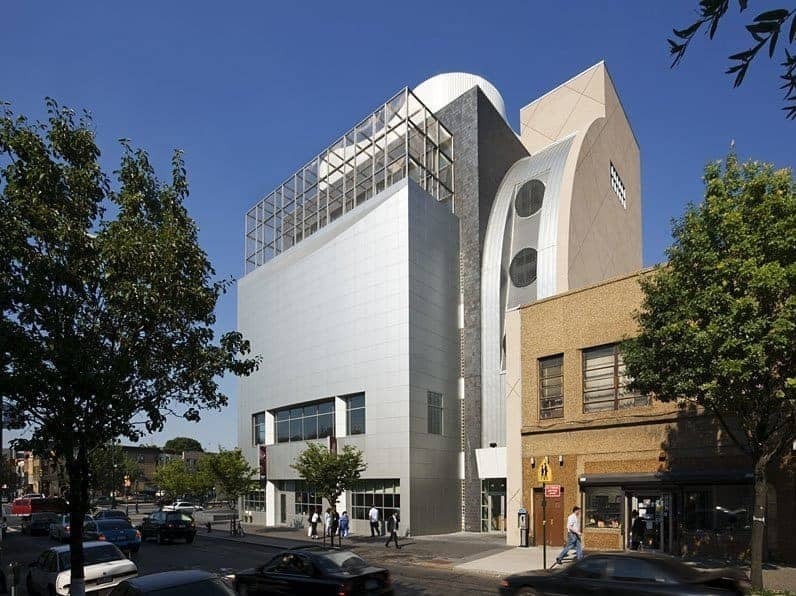
Brooklyn, NY Gwathmey Siegel was engaged by Tzivos Hashem, an international not-for-profit children’s organization, to design an original, “wired” structure versatile enough to act as both a museum—a repository of a culture’s narratives and artifacts—and an urban community center that will nourish an understanding of Jewish culture and history through collective, hands-on instruction and interaction. Continue BackVisitors enter the lobby and information area on the ground floor, which also houses a cafeteria and museum shop. The Interactive Computer Arcade on the lower level is devoted primarily to hands-on learning: it contains dozens of interactive creativity workshops, as well as an arts and crafts center.
In the galleries occupying the third and fourth of the building’s six floors, visitors encounter an array of exhibits and displays covering Jewish history and heroes, holidays and customs, the Holocaust, and contemporary Jewish life. On the second level, a flexible, 2,700 square foot area alternates as a gallery, concert hall and banquet room. The top two floors of the Museum holds administrative offices, a conference room and support services.
Gwathmey Siegel Kaufman’s design invokes sustainable, contemporary materials and a high-tech infrastructure to offset and complement the Museum’s narratives of ongoing tradition.
Louise Wells Cameron Art Museum
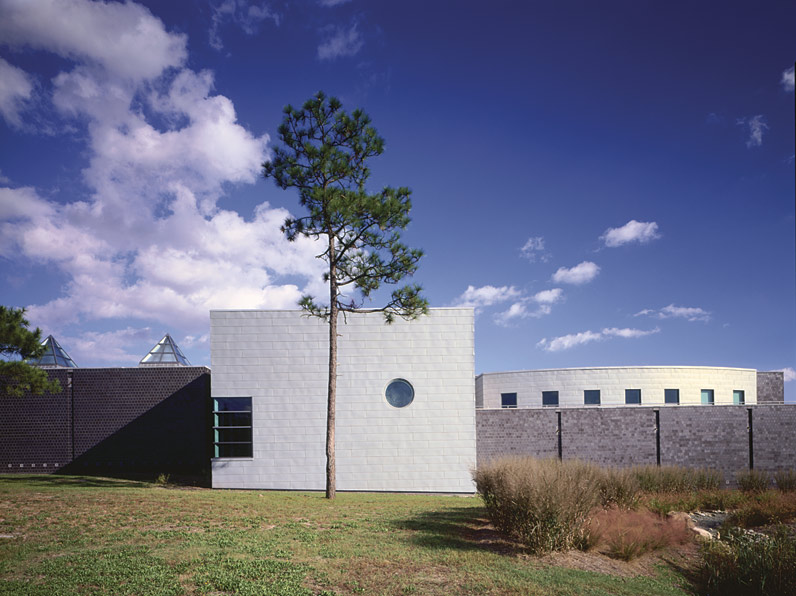
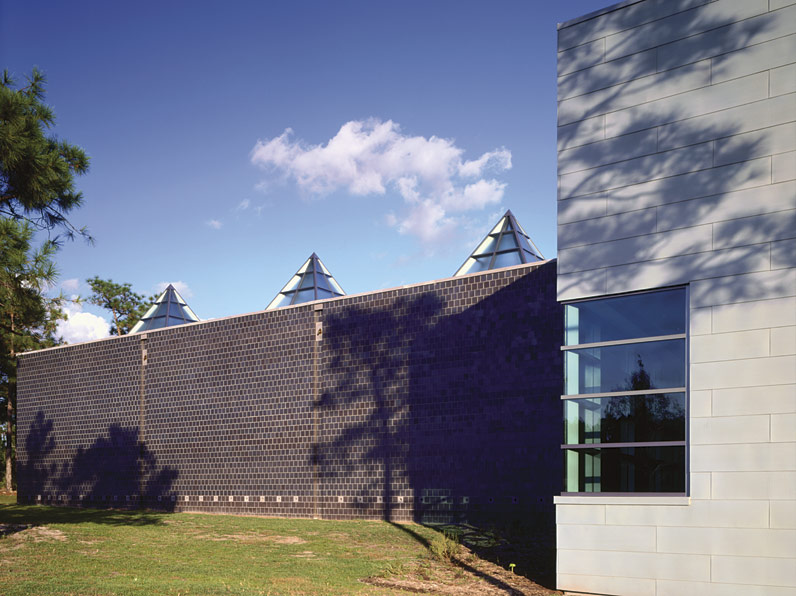
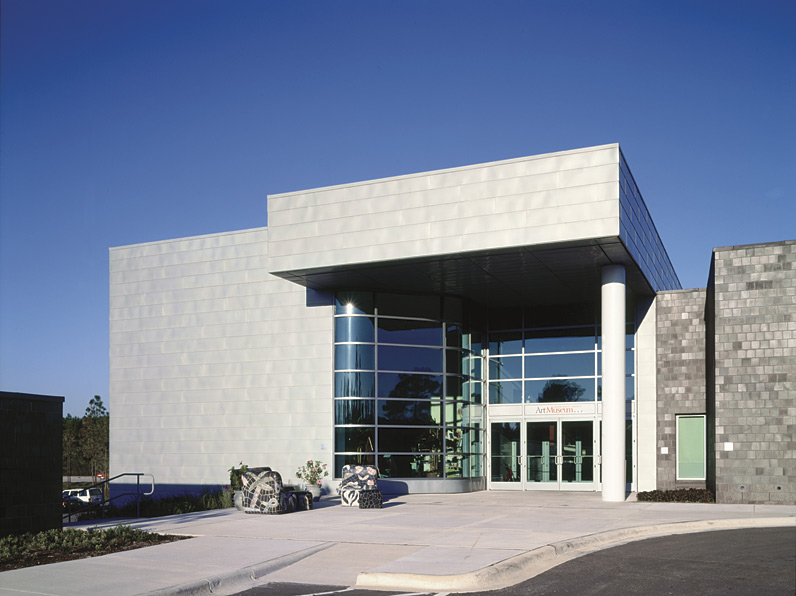
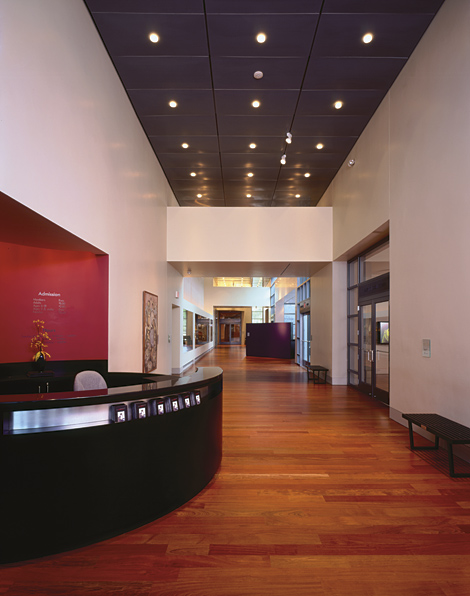
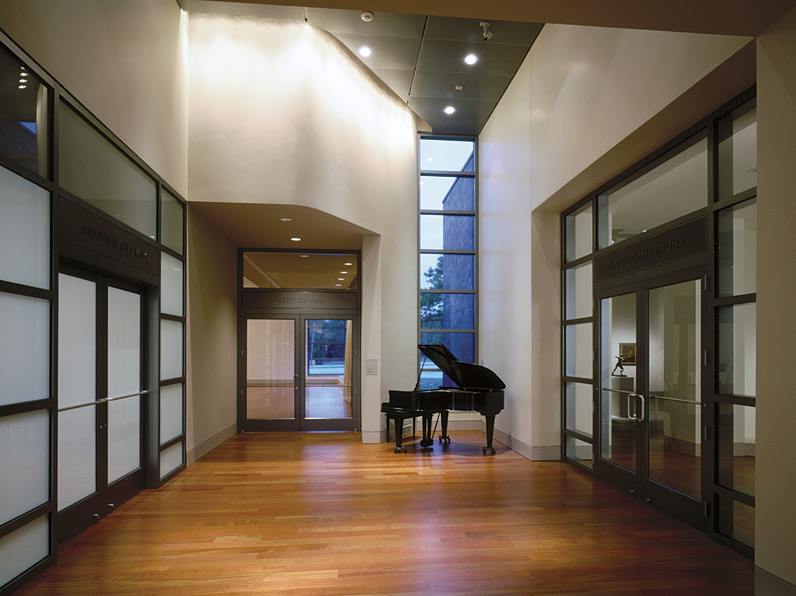
Wilmington, NC The Louise Wells Cameron Art Museum is the primary visual arts center in southeastern North Carolina with a permanent collection of 18th, 19th and 20th Century North Carolina and American art. The museum is also renowned for its temporary exhibitions of North Carolina and national artists. As the only art museum in a 100-mile radius, the new facility represents a major destination in North Carolina. Continue BackThe site is exceptional not only because of its history—with remains of trenches from the Civil War battle in which the Union forces captured the city of Wilmington—but also due to its location at the confluence of two major regional arteries (Independence Boulevard and 17th Street). The building serves as its own “signage” for the entire institution.
Associate Architect: Boney Architects
Museum of Contemporary Art
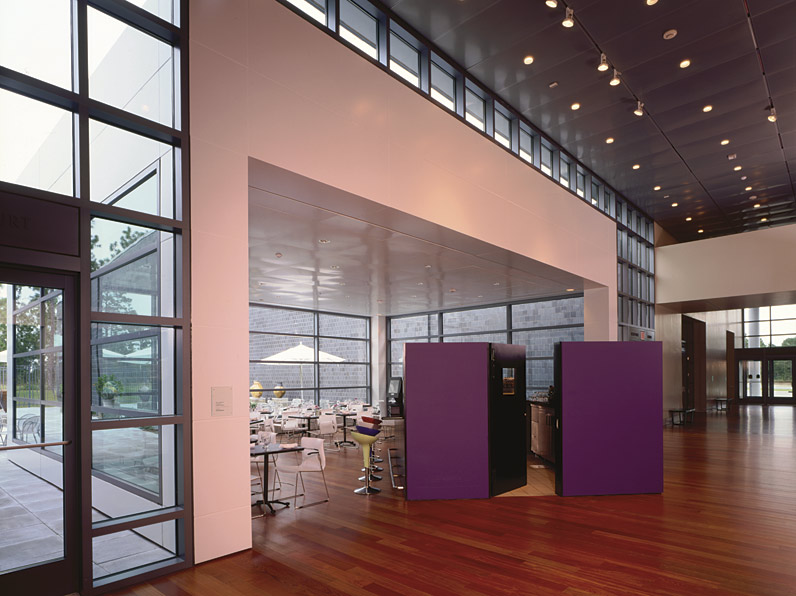
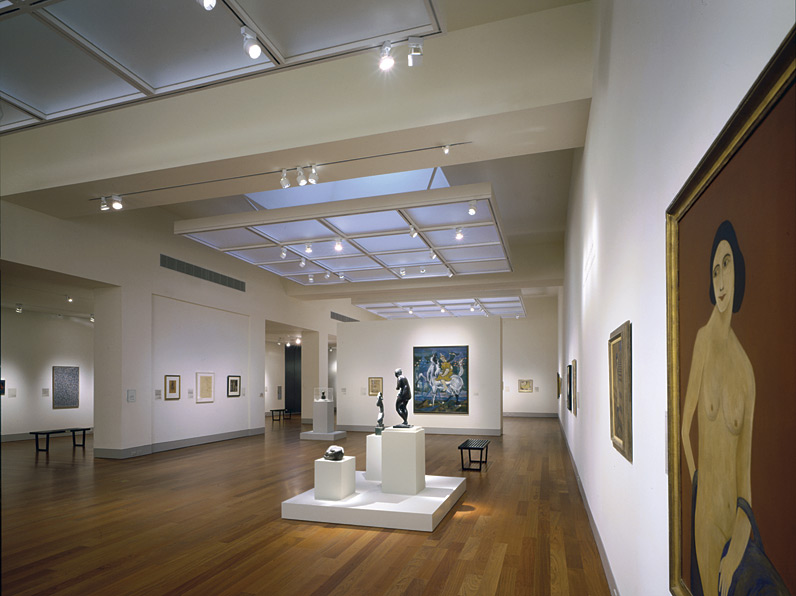
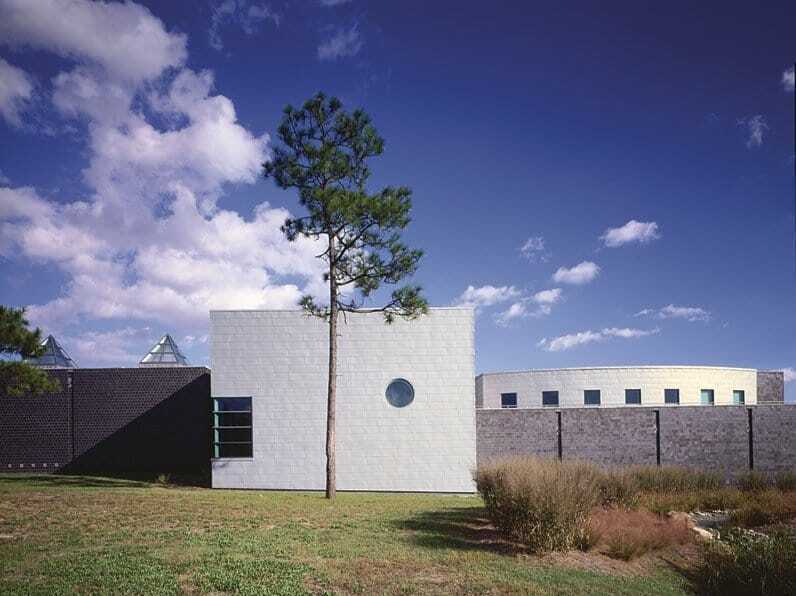
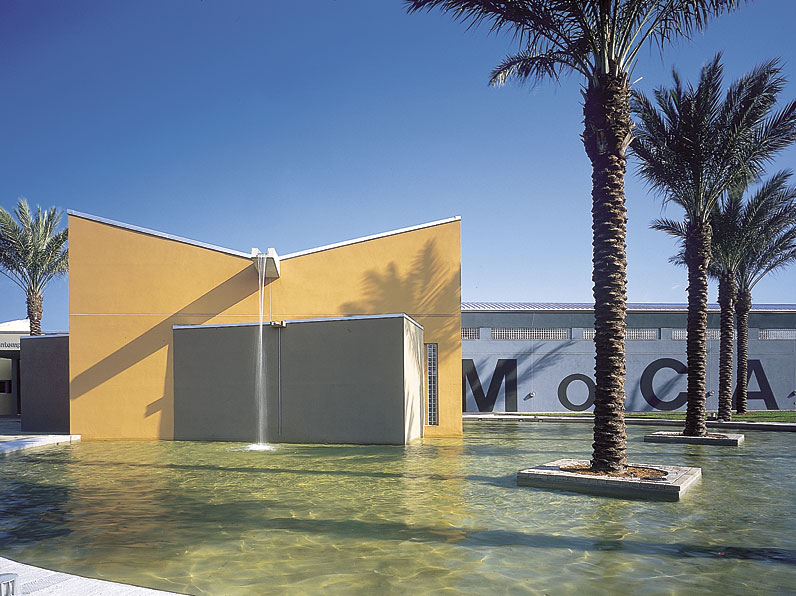
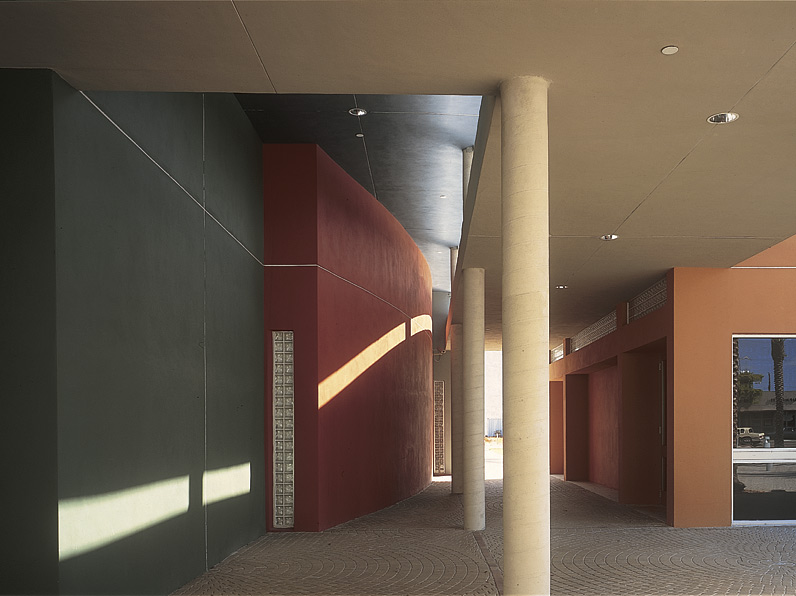
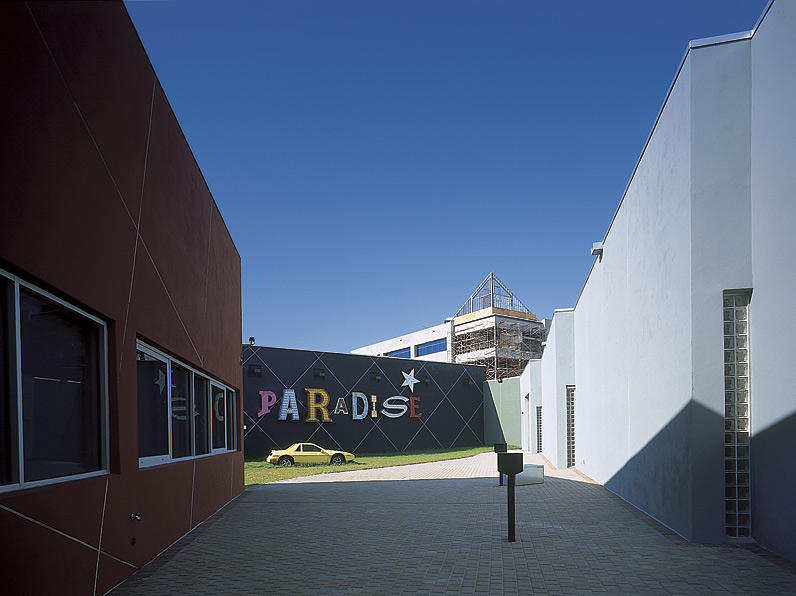
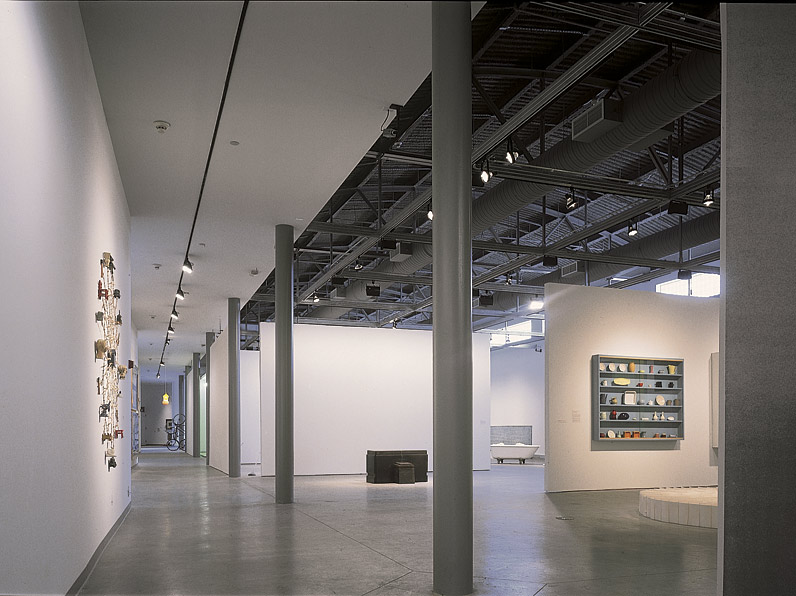
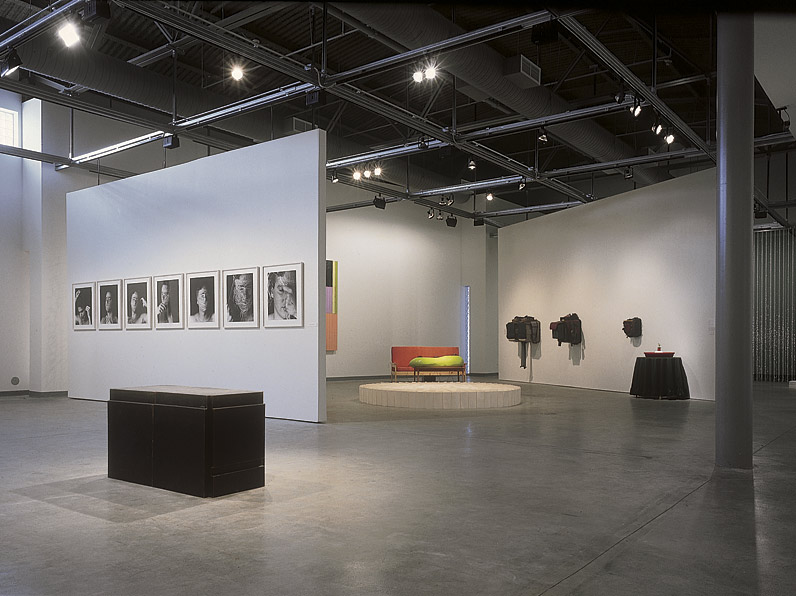
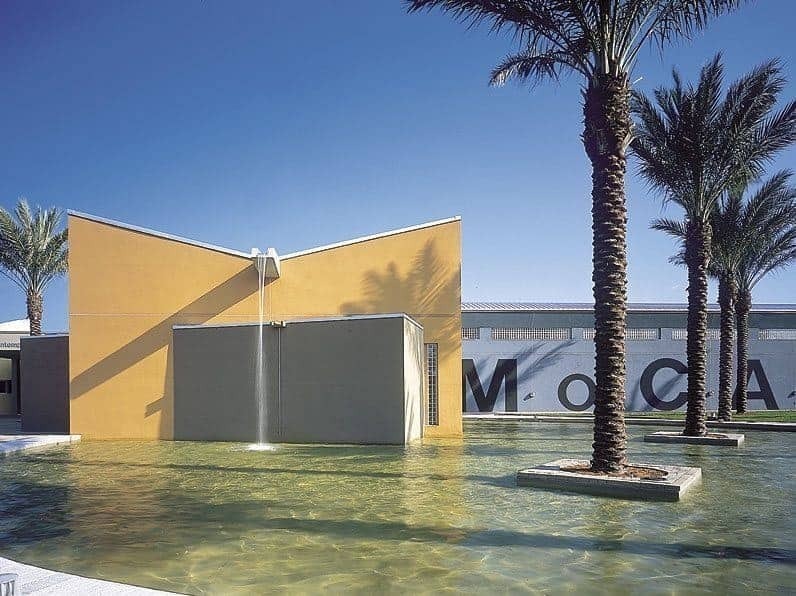
North Miami, FL The museum, located between City Hall and Police Headquarters, transforms an existing parking lot into an urban art plaza and redefines the town center as a cultural complex. The building is composed of four articulated and interconnected elements, which are assembled as a composition of cubist objects to form a dynamic visual collage that provokes curiosity, engagement and an appreciation of both art and architecture. Continue BackAssociate Architect: Gelabert-Navia Architects, P.A.
Your vision for the museum has proven to be highly successful. The building in and of itself is a graceful sculpture and your definition of volume by the exterior colors works perfectly. Interiorly, you have created an intimate yet spacious feeling, and the galleries are totally a testament to the art which is exhibited.
[…] You have responded to our program, helped solve complex problems and were highly professional throughout the process.”
Lou Anne Colodny, Former Executive Director, MoCA
“On behalf of our city’s more than 50,000 residents, thank you for your visionary leadership in making MoCA (the singular catalyst to North Miami’s hopes and dreams) a reality.”
Howard Premer, Mayor of the City of North Miami
Buffalo State College
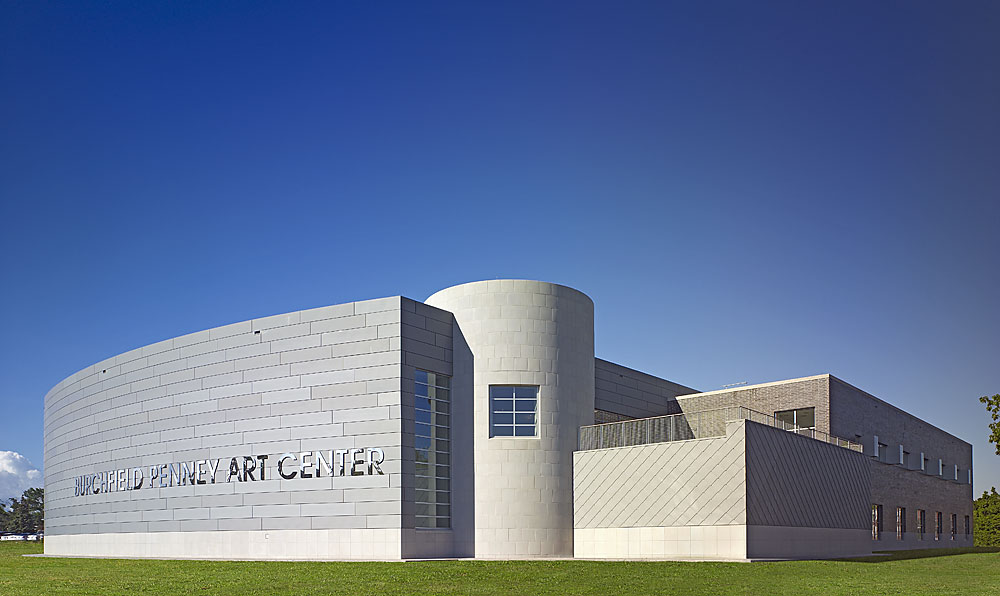
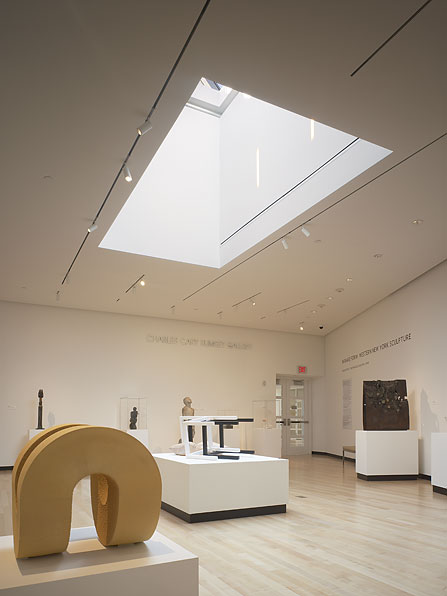
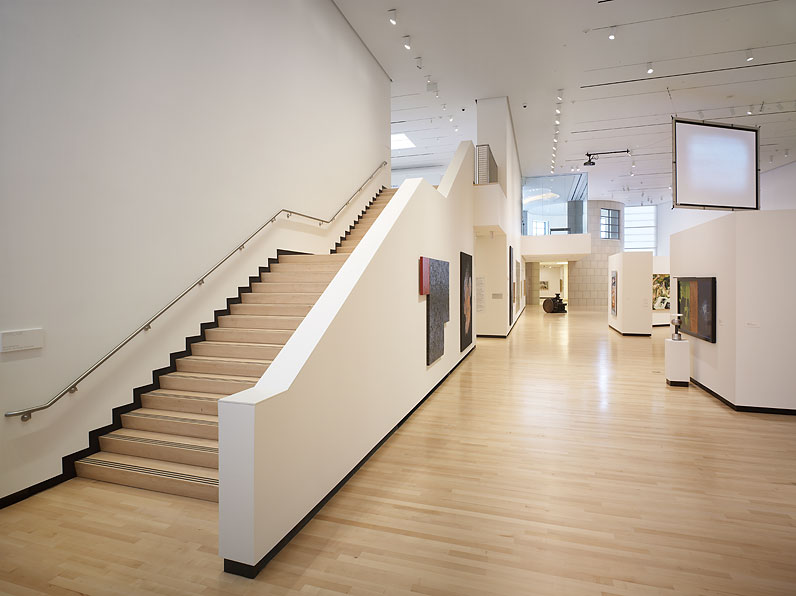
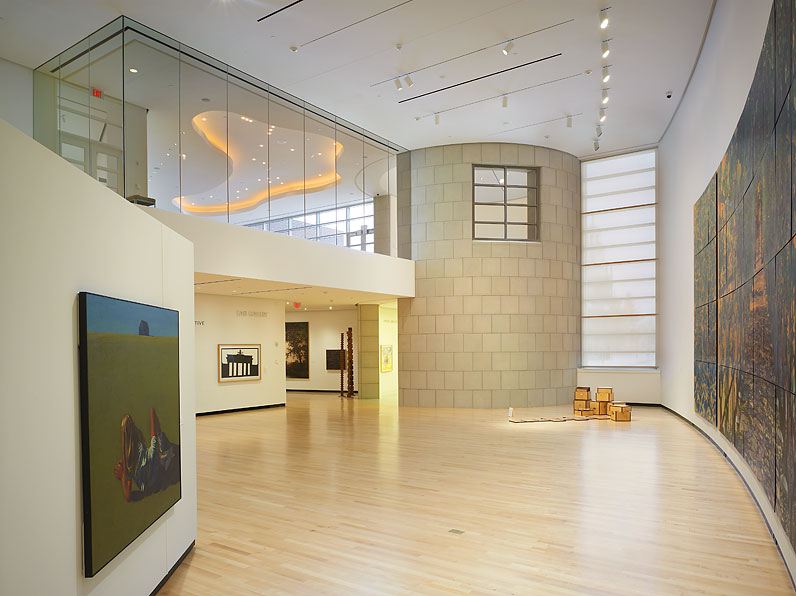
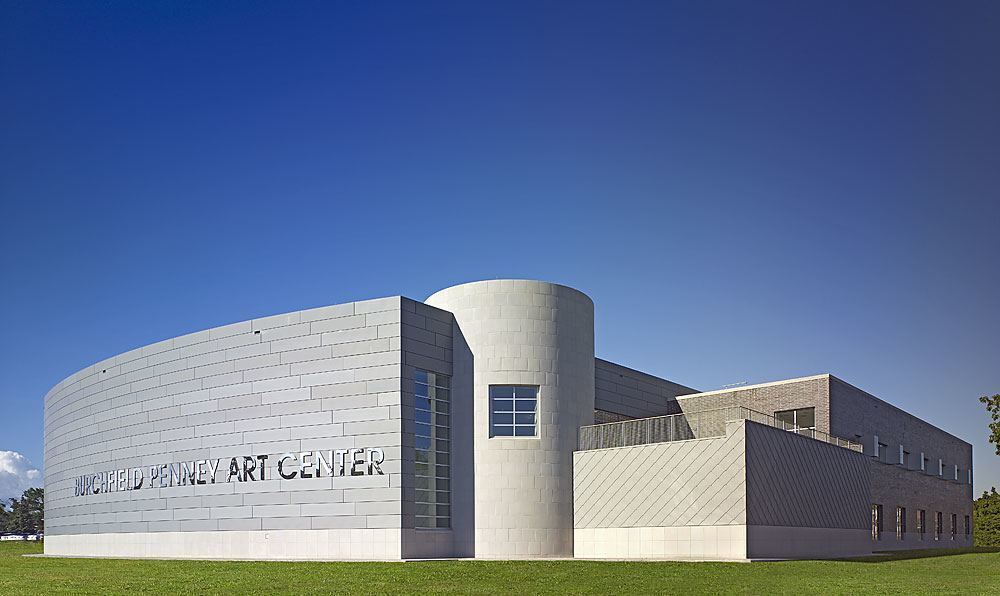
Burchfield-Penney Art Center Buffalo, NY The Burchfield-Penney Art Center completes an architectural ensemble that traces history from the classic, Georgian, and Miesian Modern to the present. It adjoins the Buffalo State Hospital designed by Henry Hobson Richardson with landscape by Frederick Law Olmsted, the neoclassical Albright-Knox Art Gallery with an expansion by Gordon Bunshaft of Skidmore Owings & Merrill, and historic buildings of the Buffalo State College campus. Continue BackConceived as a contrapointal, abstract, ambiguously scaled, “sculptural object” on Elmwood Avenue (one of the city’s main thoroughfares), the composition rotates around a cast stone rotunda, to a modulated brick rectilinear volume, establishing a collage assemblage that interpretively relates to a multifaceted context.
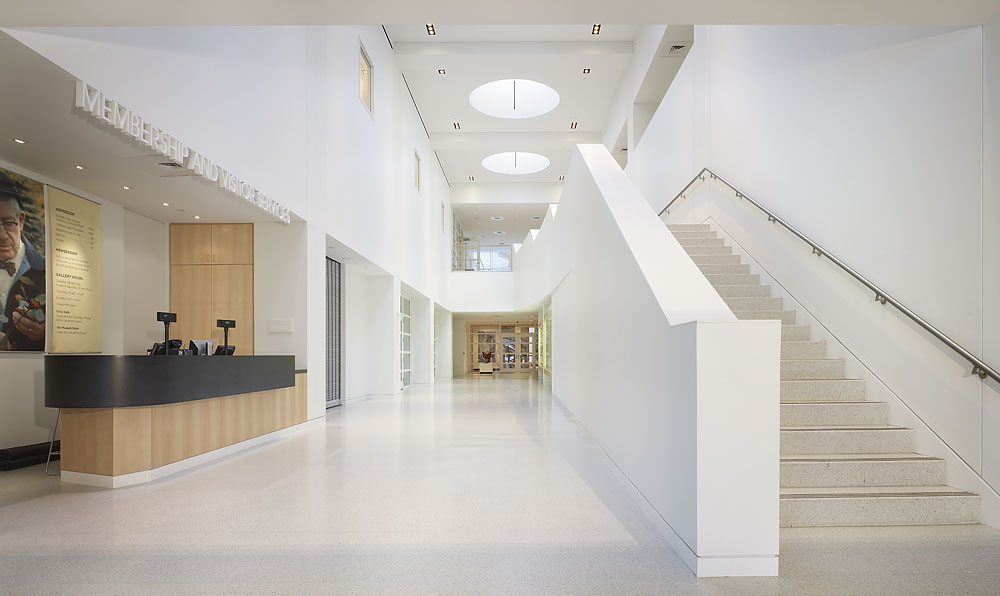
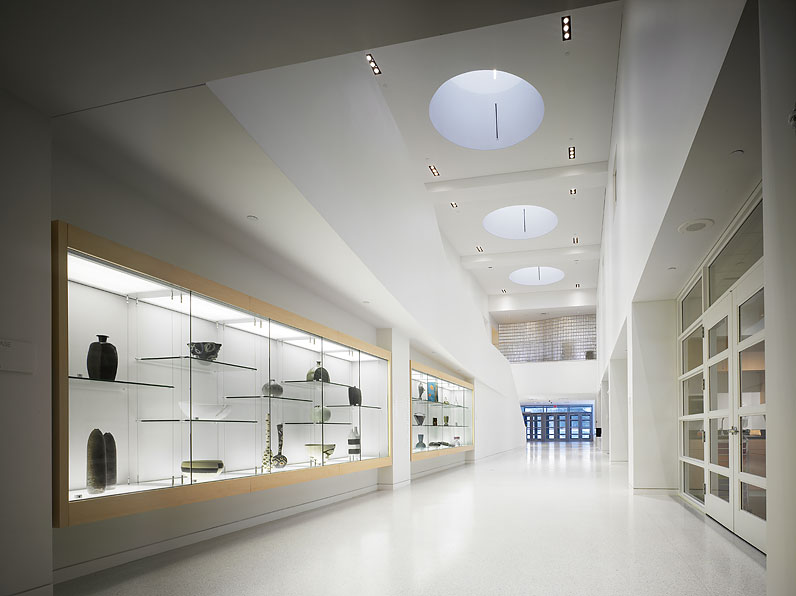
The spatial sequence is intended to be dynamic, varied and unexpected, yet clearly referential to the exterior forms. The programmatic combination of exhibition and teaching spaces affords both an experiential richness and multi-use, that engenders vitality, as well as an inspirational sensibility that visionary architecture embodies.
Housing a museum dedicated to the art of Western New York, the 84,000 square foot two-story structure is a highly functional organization of related program components, clearly divided into public and private realms. Spaces include the dramatic 147-foot long double height main gallery, a variety of other flexible gallery spaces, an auditorium, classrooms, museum store, café, public reception room, administration, boardroom, roof terrace and support functions.
The building is clad in zinc panels, magnesium brick and cast stone, accentuating the formal articulation of the volumetric elements. The selected materiality is intended as both a counterpoint as well as a reference to the existing and nearby campus buildings as contextual precedents.
The first art museum in New York State to be LEED certified, and among the first several art museums in the nation to achieve certification, it has officially received LEED Silver certification from the U.S. Green Building Council. It meets rigorous standards in the areas of site sustainability, water use and efficiency, reduced use of energy and atmospheric impact, use of materials and resources, improved indoor air quality and innovation in design.
Naismith Memorial Basketball Hall of Fame
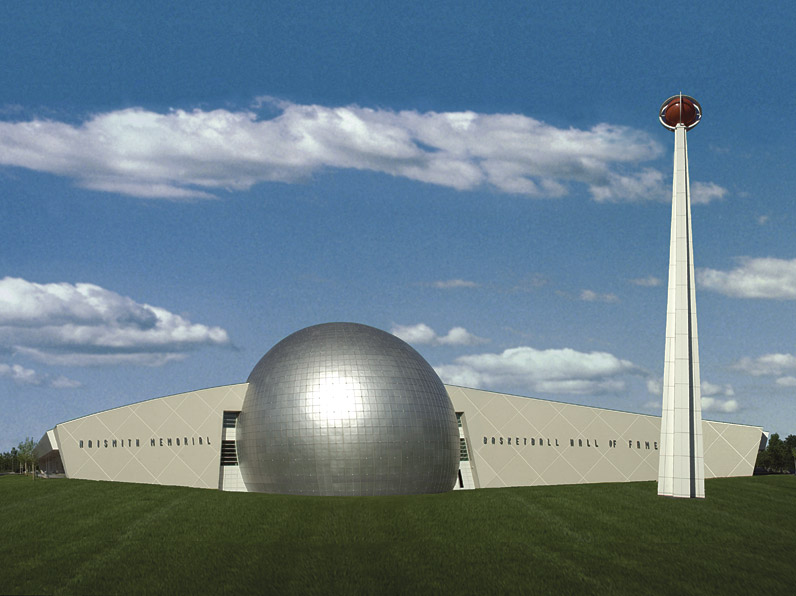
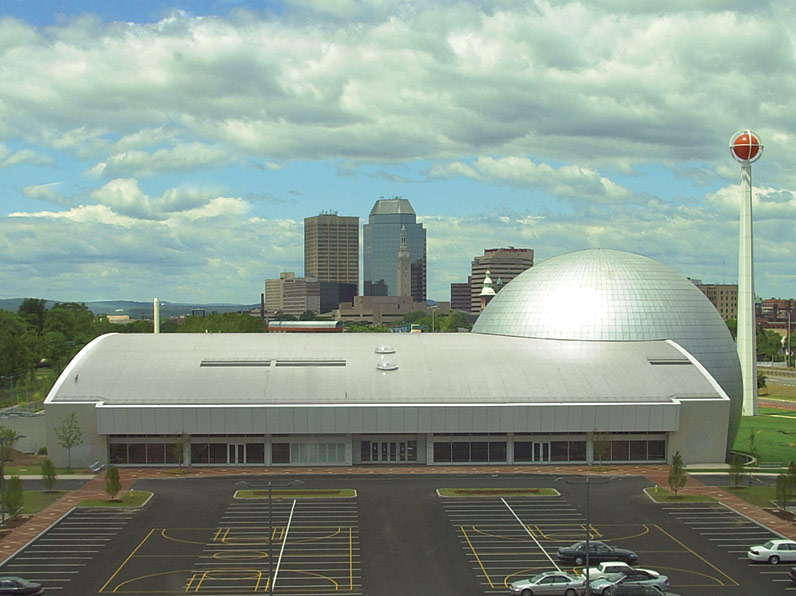
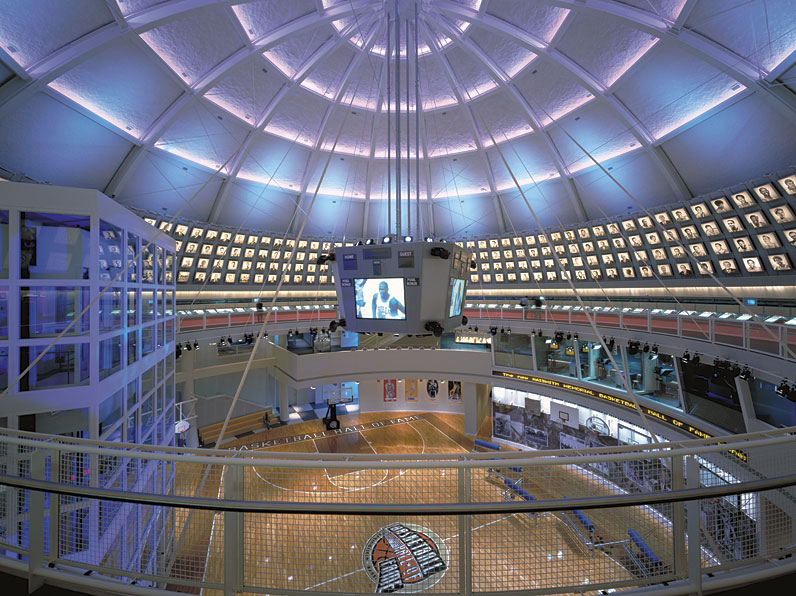
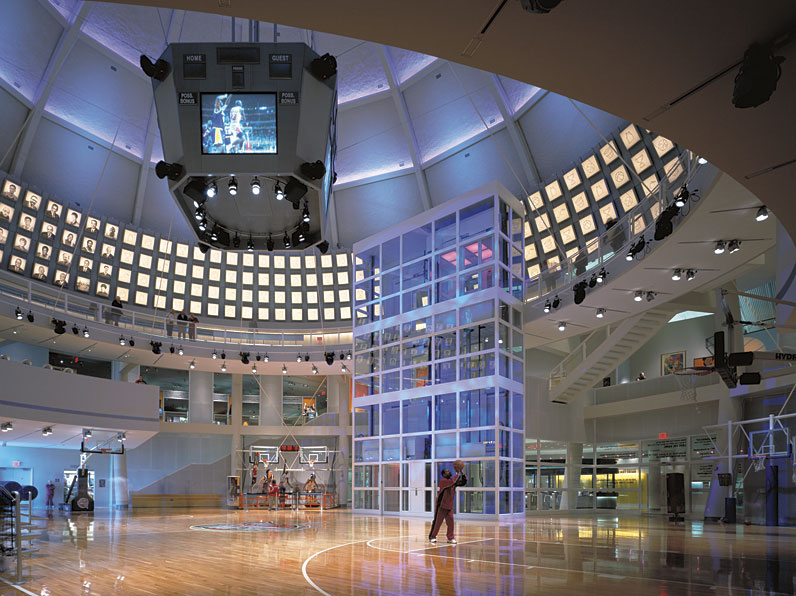
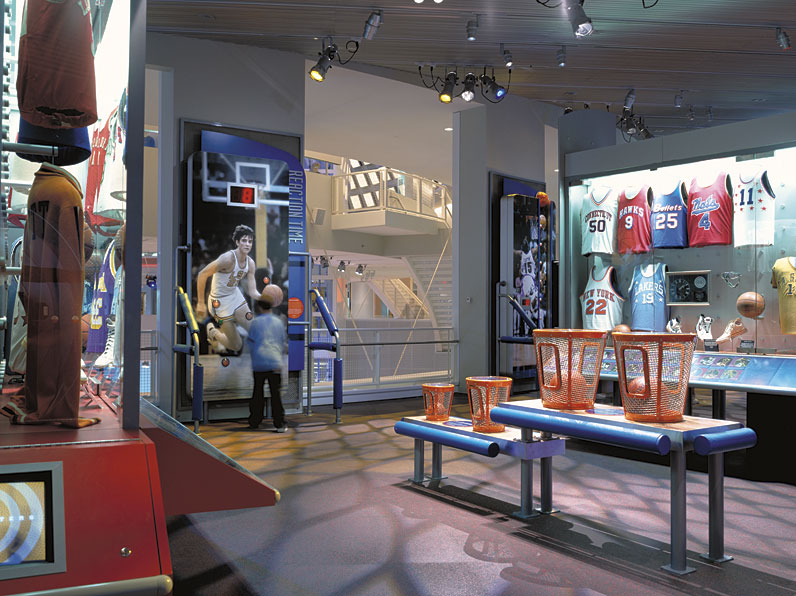
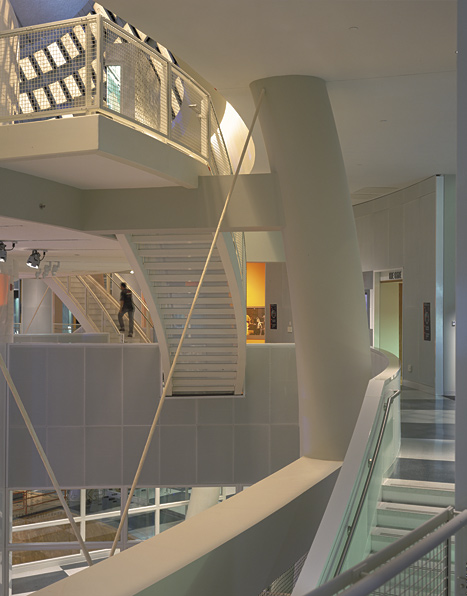
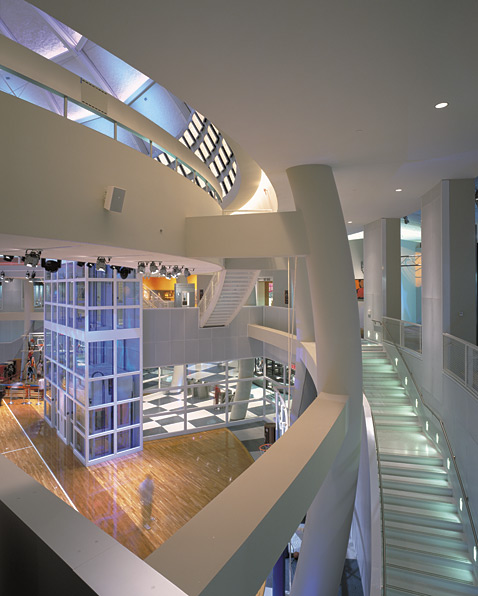
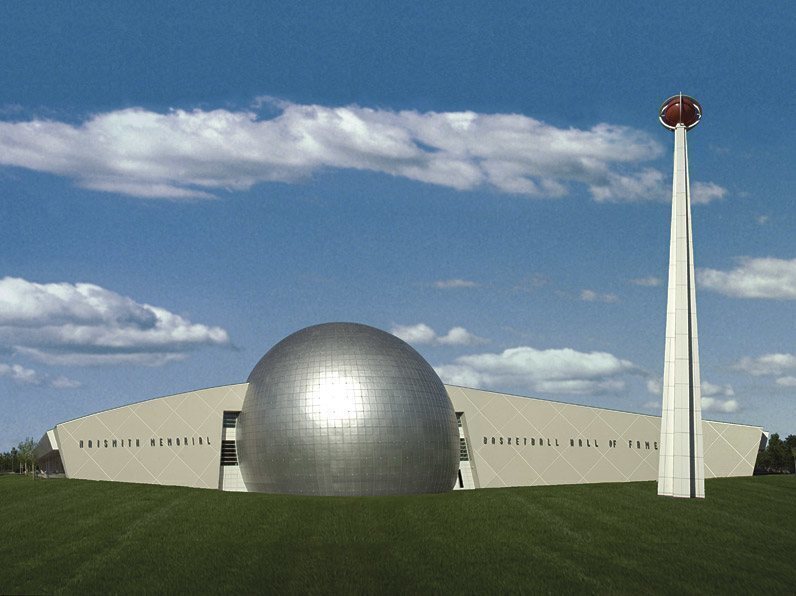
Museum and Retail Complex Springfield, MA This grand-scale museum and entertainment complex in Springfield—the birthplace of basketball—is located on an 18-acre urban revitalization site near the Connecticut River. The ground floor comprises 50,000 square feet of retail space and a 200-seat theater. The Hall of Fame includes exhibition galleries, a gift shop and administrative offices. A 160-car parking garage is located below grade. Continue BackIntersecting volumes define the building’s exterior. A curved roof spans the retail and museum spaces; a 100-foot-high sphere contains the Center Court; and rectilinear volumes contain the theater and the north and south arcades. A 150-foot-high spire supports a beacon that incorporates the Hall of Fame’s logo, which illuminates the sphere at night. Events with up to 10,000 visitors can take place in the south parking lot.
The museum also includes a tourist information center, a new avatar of the existing Basketball Hall of Fame, a pedestrian bridge over the Amtrak rail lines to Springfield’s Riverfront Park and a pedestrian Walk of Fame connection to downtown Springfield.
Associate Architect: Bargmann Hendrie & Archetype, Inc.
Pace Wildenstein Gallery
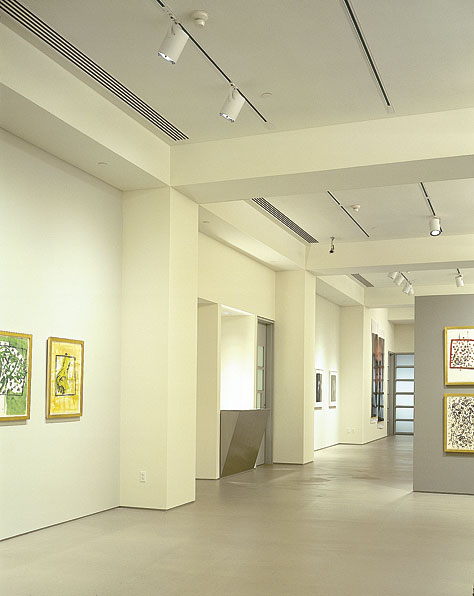
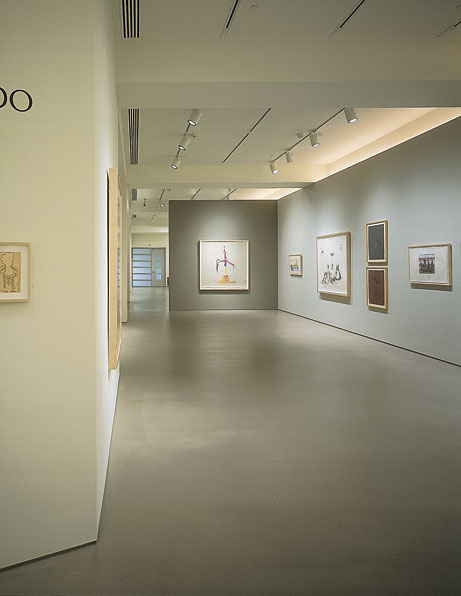
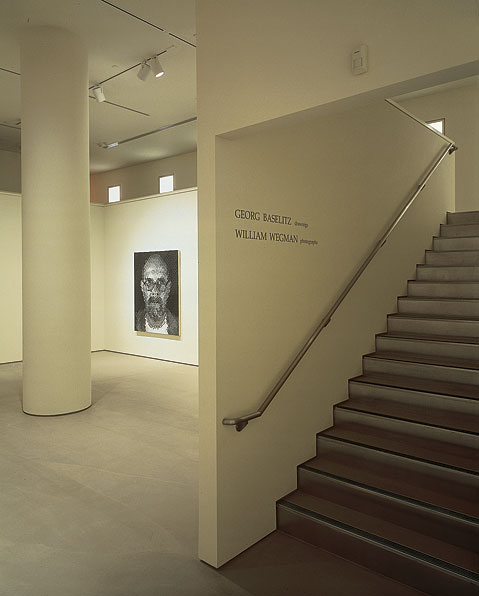
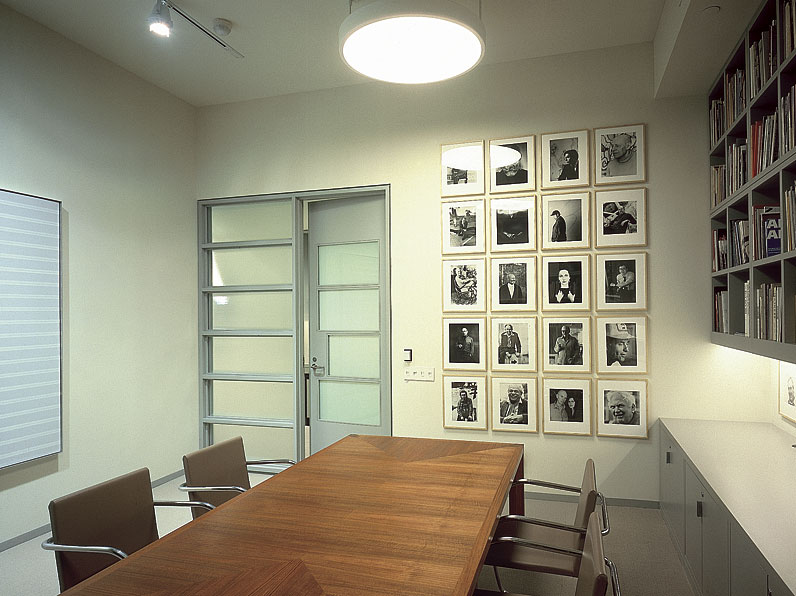
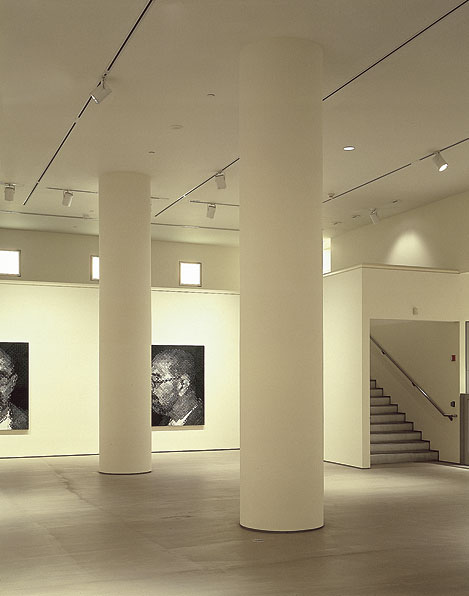
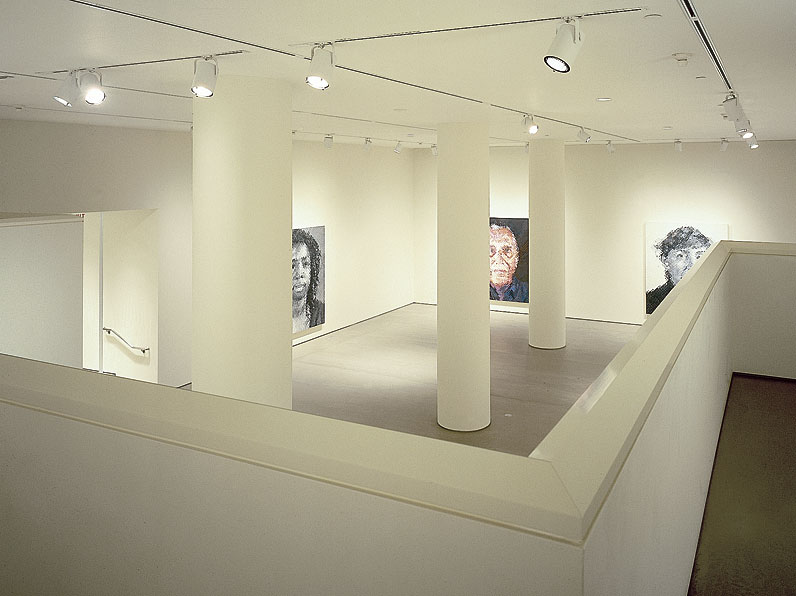
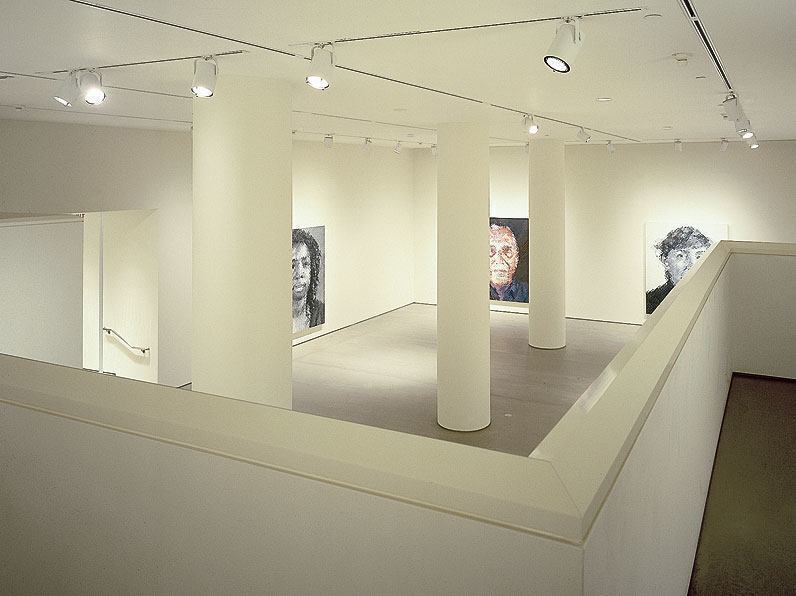
Beverly Hills, CA The Pace-Wildenstein galleries occupy parts of three separate buildings at the intersection of Wilshire Boulevard and Rodeo Drive. The entrance, off a narrow alley into the first building, was enlarged and cut away to establish a more visible entry presence. Continue BackA wide stair leads to a mezzanine, lit by six new windows, overlooking the main floor. The stair continues from the mezzanine to another gallery on the second floor of the third building. Here, the grid of the existing columns and beams is used to modulate the long interior volume along Rodeo Drive, creating a series of intimate galleries, suitable for exhibiting similar works, drawings and photographs.
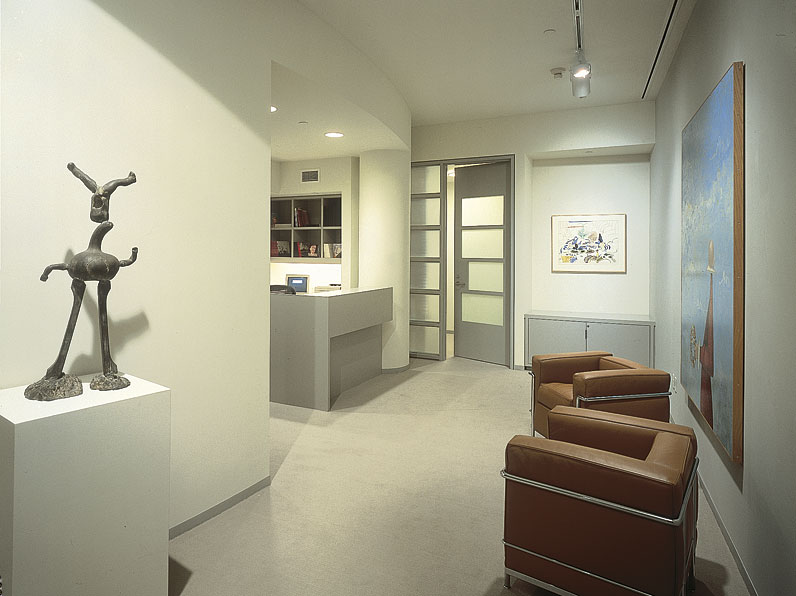
Along the perimeter of the building, a “floating” wall, articulated by a single row of glass block at either end, stops at the underside of the beams, and is lit from behind. In addition to controlling natural light from five existing windows, the wall creates both the primary hanging surface and a “street façade” for the gallery. Behind and beyond the exhibition area are private offices and viewing rooms, accessible from both the gallery space and a separate elevator lobby.
Harvard University
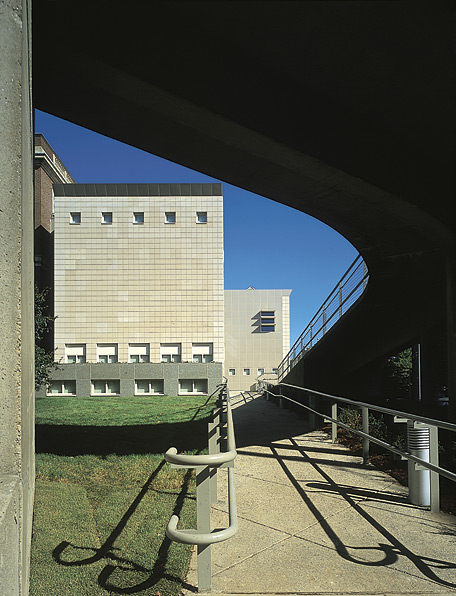
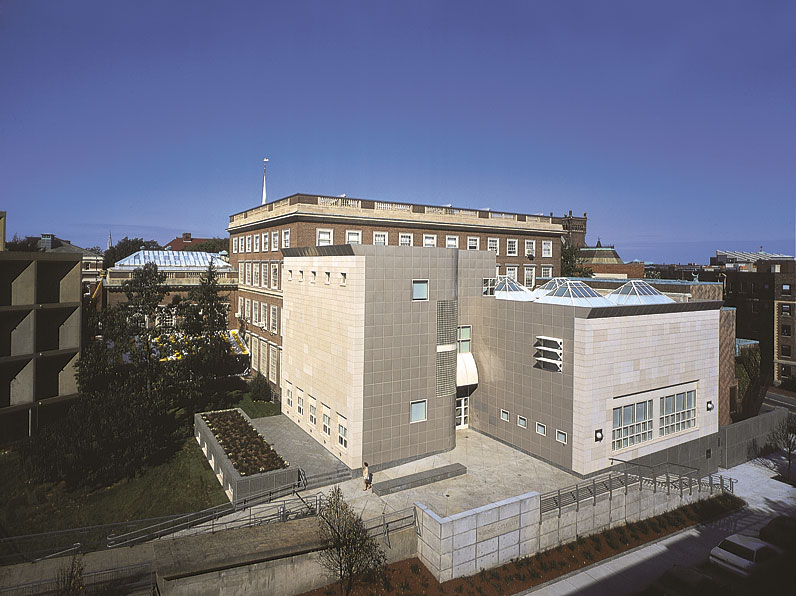
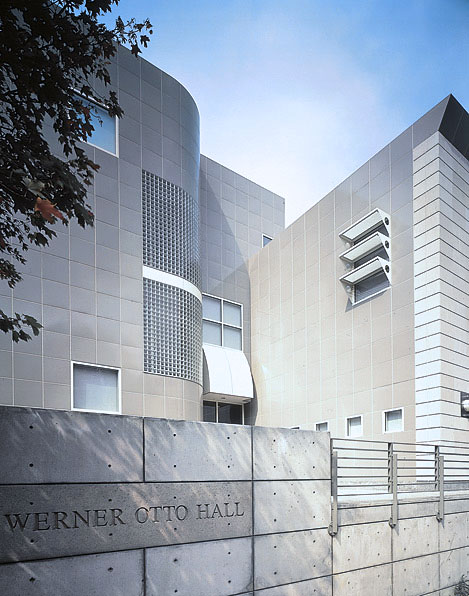
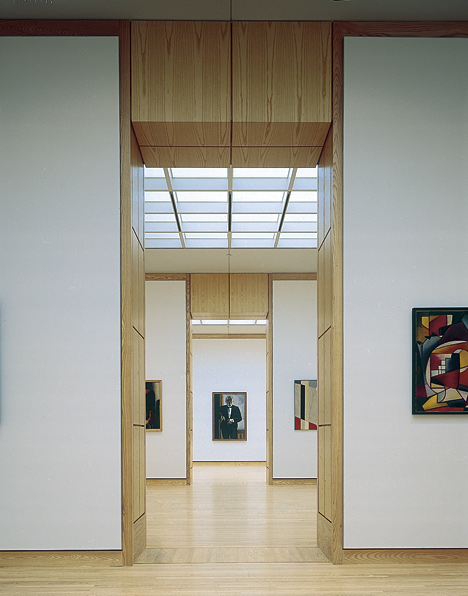
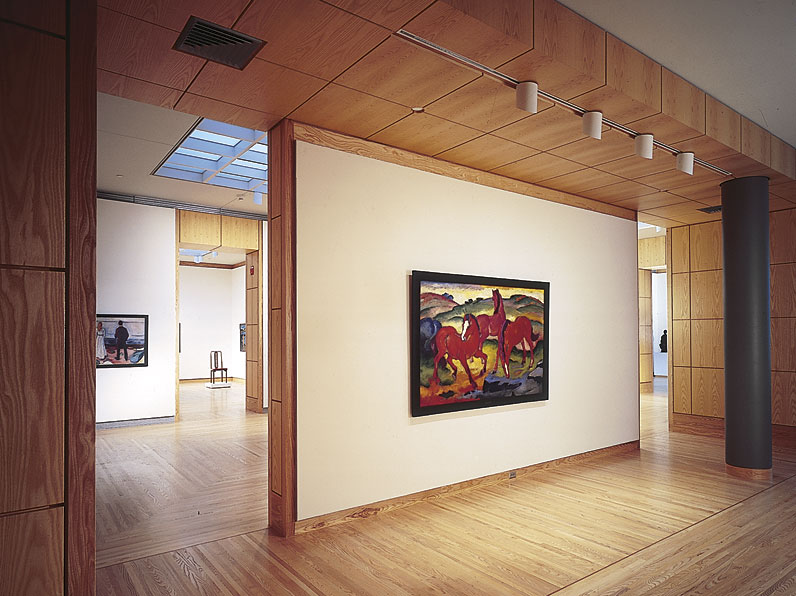
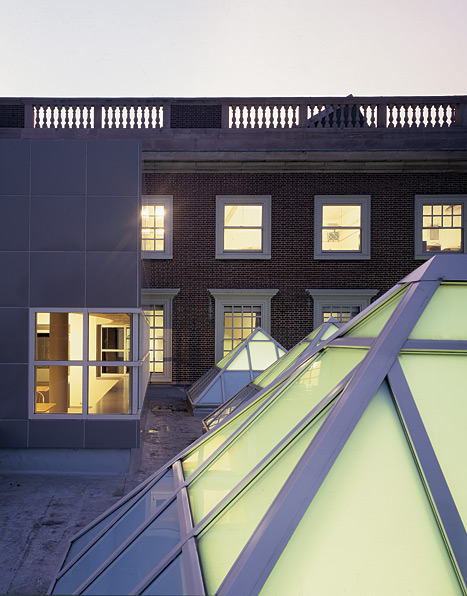
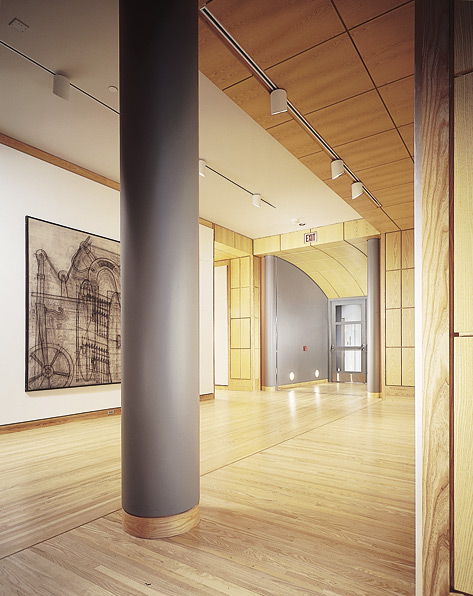
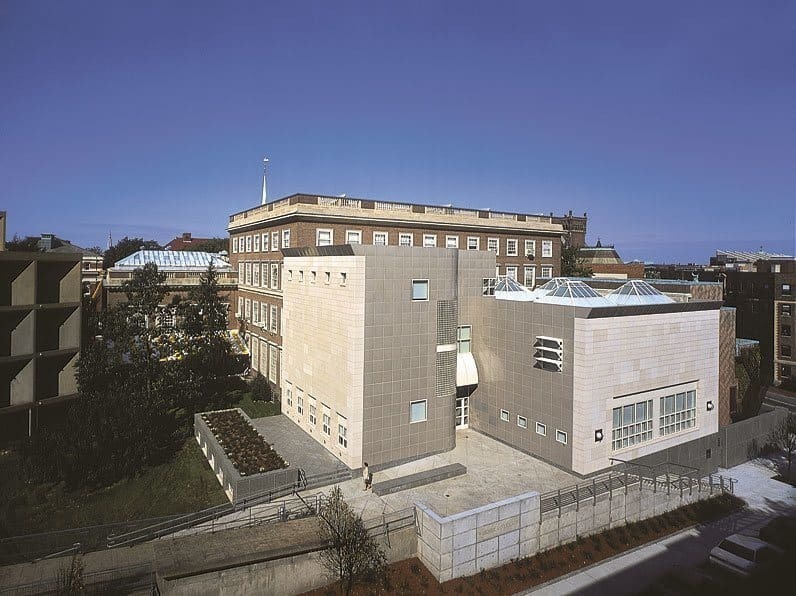
Werner Otto Hall / Busch-Reisinger Museum and Fine Arts Library Cambridge, MA This 15,000-square-foot addition houses the permanent exhibition galleries of the Busch-Reisinger Museum and its collection of German twentieth century paintings and decorative arts, as well as portions of the Fogg Museum's Fine Arts Library. The program includes a library reading room, the permanent collection galleries, staff offices for the library, a temporary exhibition gallery, and an archival study area. Continue BackThe building establishes a primary two-story facade facing the street and integrates a new exterior stair, plaza and ramp at the library entry. Behind it, the building rises to three stories, complementing the Carpenter Center as a distinct yet related object perceived from all angles.
The fine-arts library has a separate entrance from the gallery, thus resolving a security problem when the library and museum hours are different. With its high ceilings, tall windows, and visible reference stacks, the reading room conveys the stature associated with such spaces.
Existing streetscape and scale relationships had to be addressed, and constraints imposed by building above an existing underground library structure with limited load-bearing capacity had to be accommodated.
The solution also resolves Le Corbusier’s compelling site circulation idea. The Carpenter Center ramp, which was intended to provide a public mid-block walkway from Quincy Street to Prescott Street through the building, ended in the Fogg’s rear yard without a connection to the sidewalk. The design extends the ramp onto a new plaza from which one can either enter the library or descend a new exterior stair to the street.
James Cuno, Director
“Modestly sculpted, Harvard’s newly housed [Werner Otto Hall] offers an appropriate counterpoint to the abstraction of Le Corbusier’s Carpenter Center and the dry revivalism of the Fogg Museum. Gwathmey Siegel Kaufman has designed a distinctive identity for the addition with restraint and rigor. […] Like its neighbors and the art within its galleries, Werner Otto Hall speaks of its time with strong convictions.”
Architecture Magazine, November 1991
“The addition to the Fogg Museum is a most excellent project”
Laurie Beckelman, Chair, New York Landmarks Preservation Commission
American Museum of the Moving Image
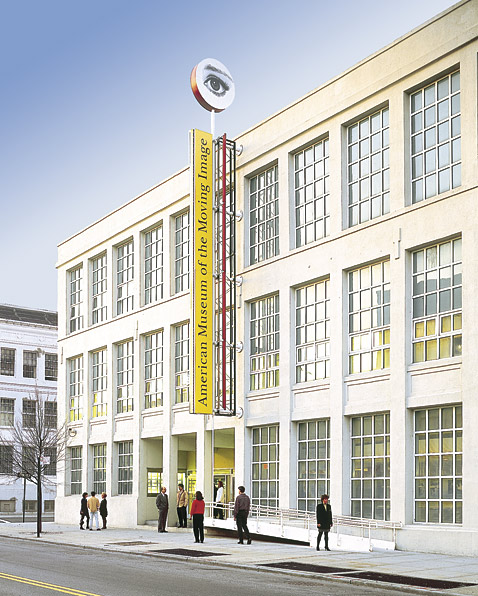
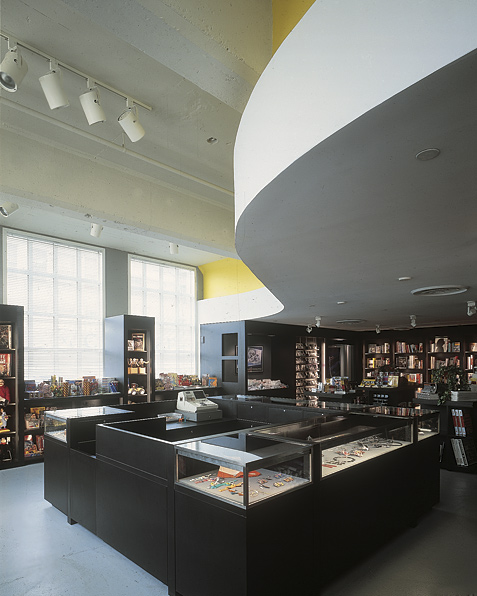
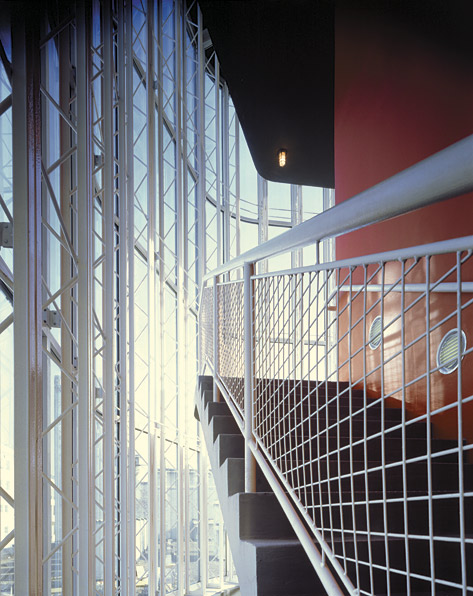
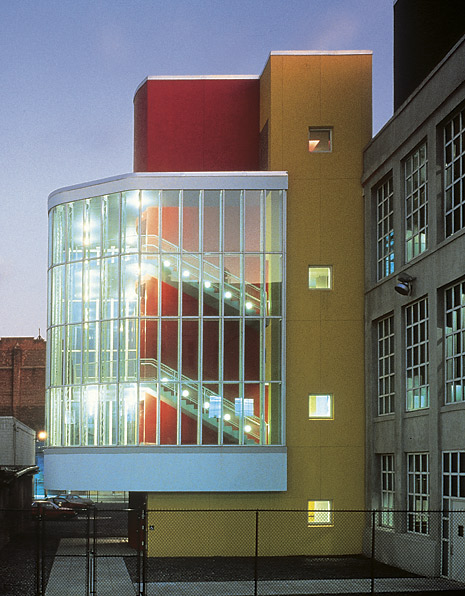
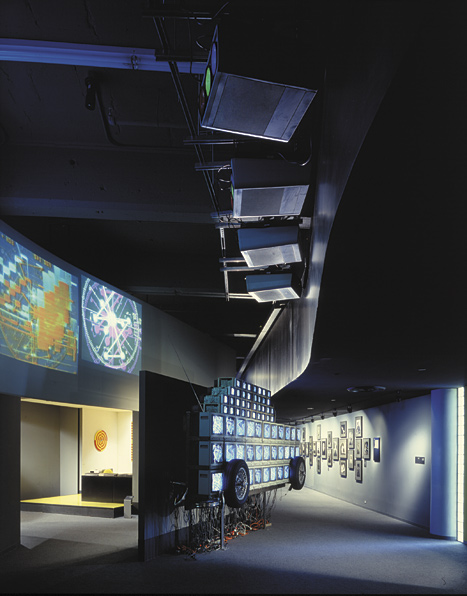
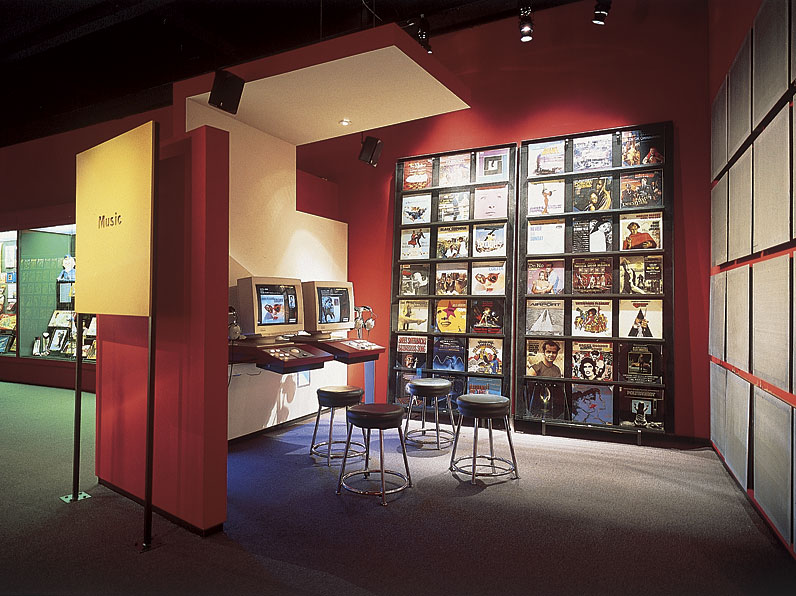
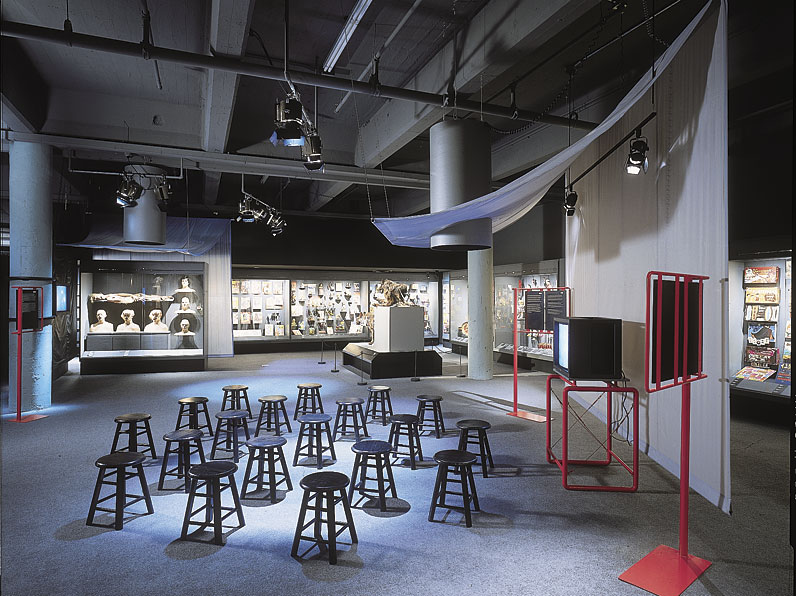
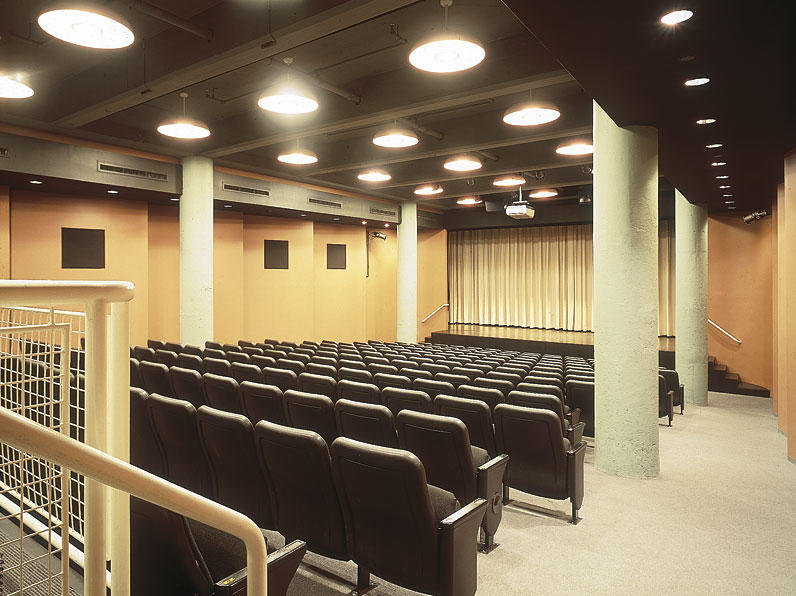
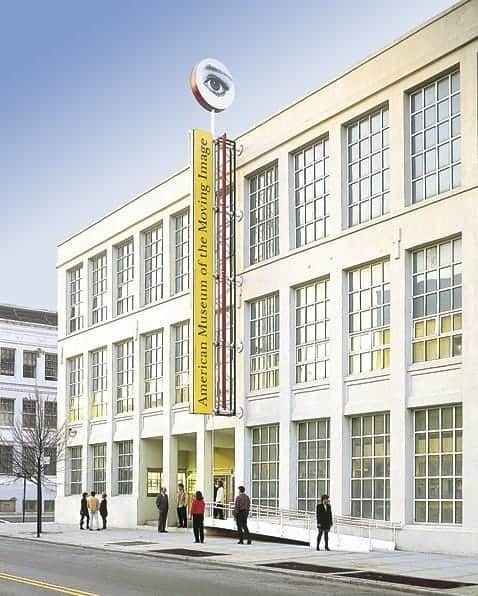
Astoria, NY Housed in a landmark three-story loft building adjacent to the Astoria Motion Pictures studio complex, the American Museum of the Moving Image is both an archive-repository and a learning center for movie and video history, where exhibits are designed to encourage hands-on exploration. Program flexibility requirements and a limited budget determined the primary aesthetic and construction phasing. Continue BackThe architects placed a new monumental stair and elevator tower on-axis with the main entrance to the building, so that it extends from the original courtyard façade as a counterpoint to its gridded solid-void frame.
The stair acts as the iconic object of the design and the orientation element for the entire complex. The landings provide visitors with an alternative exhibition experience, giving them the opportunity to reorient themselves before reentering through the façade of the original building, creating a sense of anticipation and reengagement. In the final phase, the courtyard will be developed as an outdoor movie theater and exhibition space to hold larger-scale installations.
Rochelle Slovin, Director