Youngstown State University
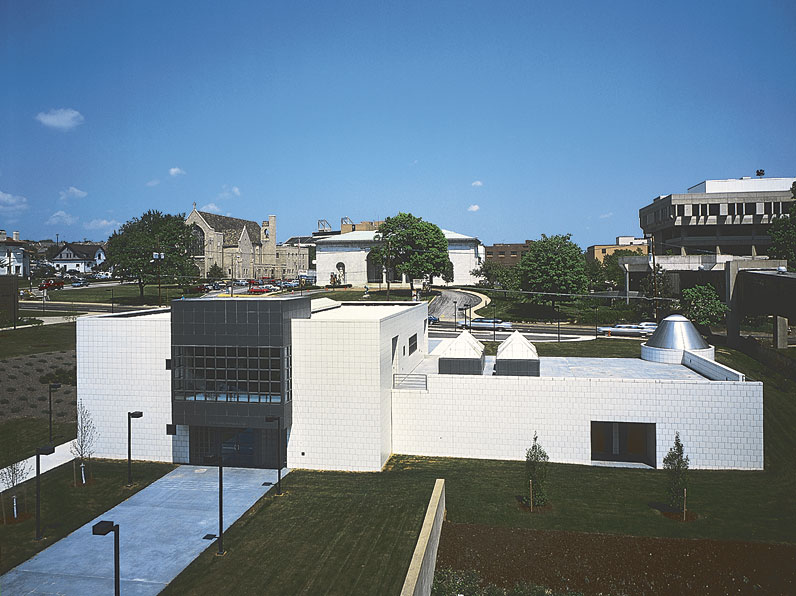
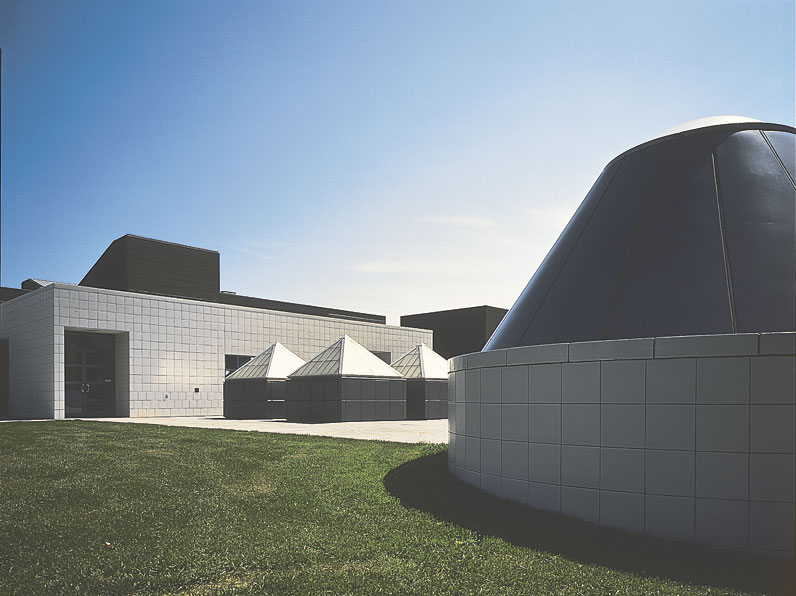
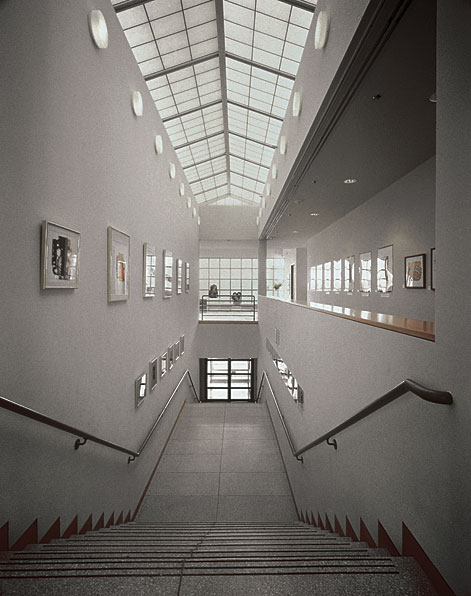
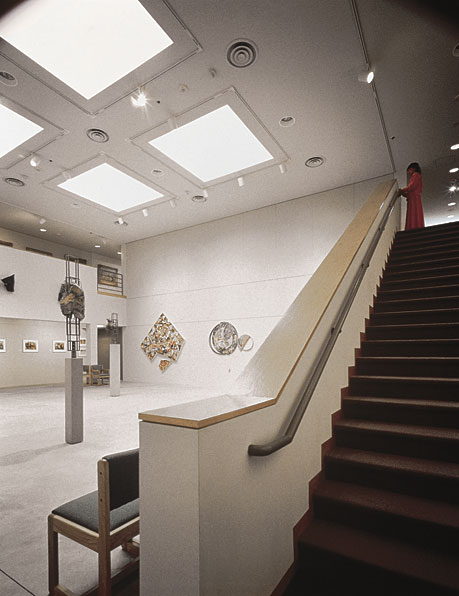
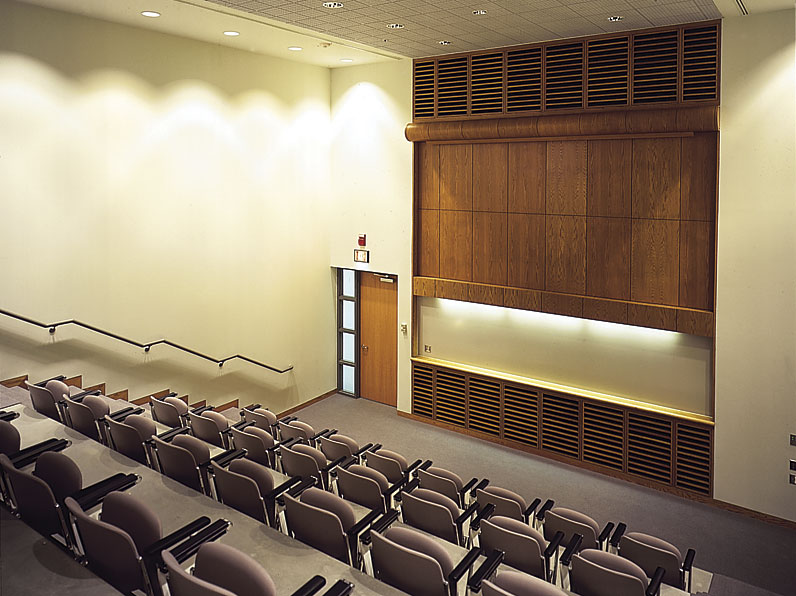
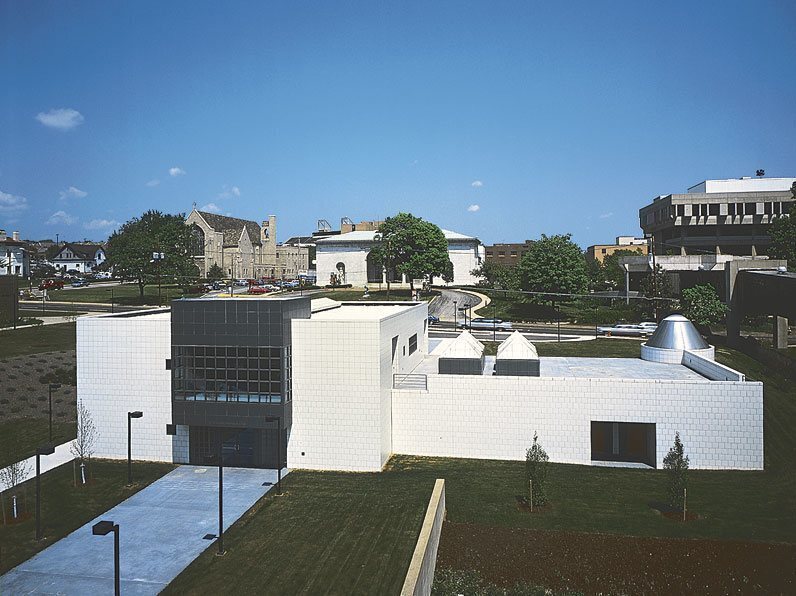
John J. McDonough Museum of Art Youngstown, OH This fine arts gallery for rotating exhibits was designed for faculty and student shows and also serves as a multipurpose meeting space. An outdoor sculpture terrace and lecture theater are integrated into the site. Located at the edge of the campus across Wick Avenue from the Butler Art Museum, the prominent sloping site was a primary determinant in the building's organization. Continue BackThe traditional gallery is adjacent to the lower entry and the double-height, flexible, experimental gallery is another level below grade, adjacent to the service tunnel, which relates to the existing access road.
The 20,000-square-foot building was rendered in granite, tile and metal panels, presenting itself as a discreet architectural object in the “garden” perceived in counterpoint to the surrounding existing large-scale structures.
Crocker Art Museum
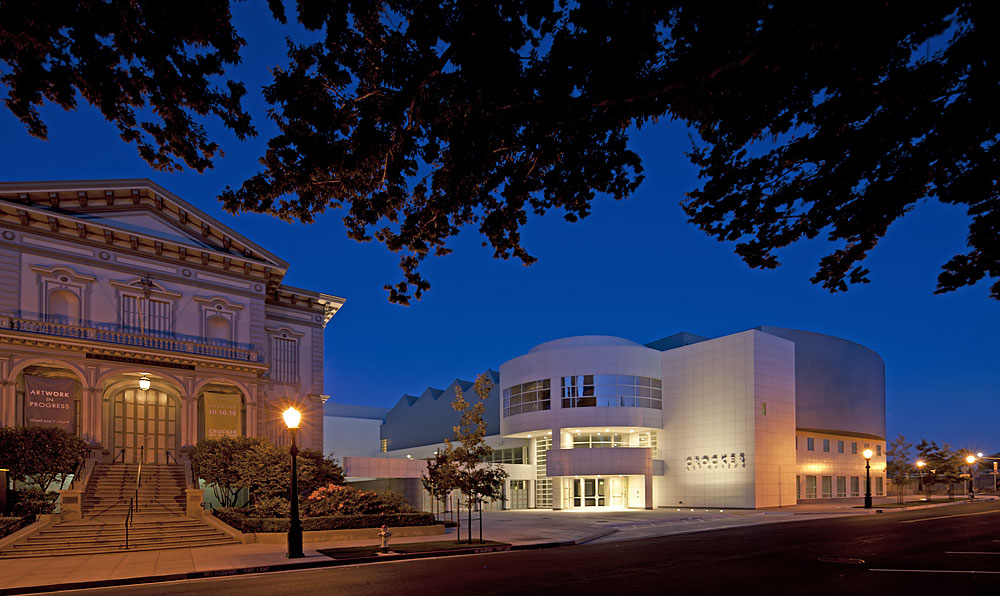
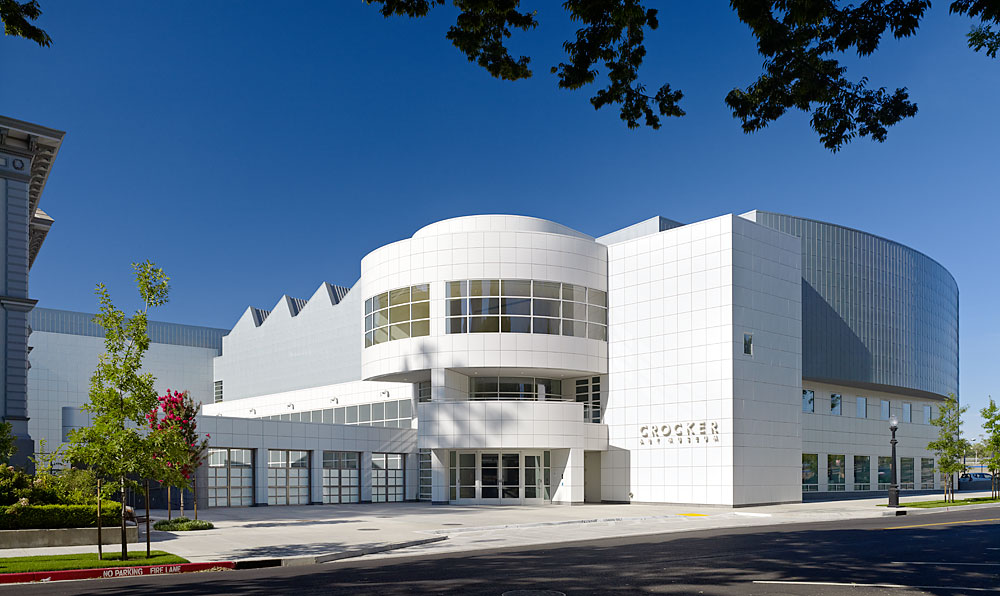
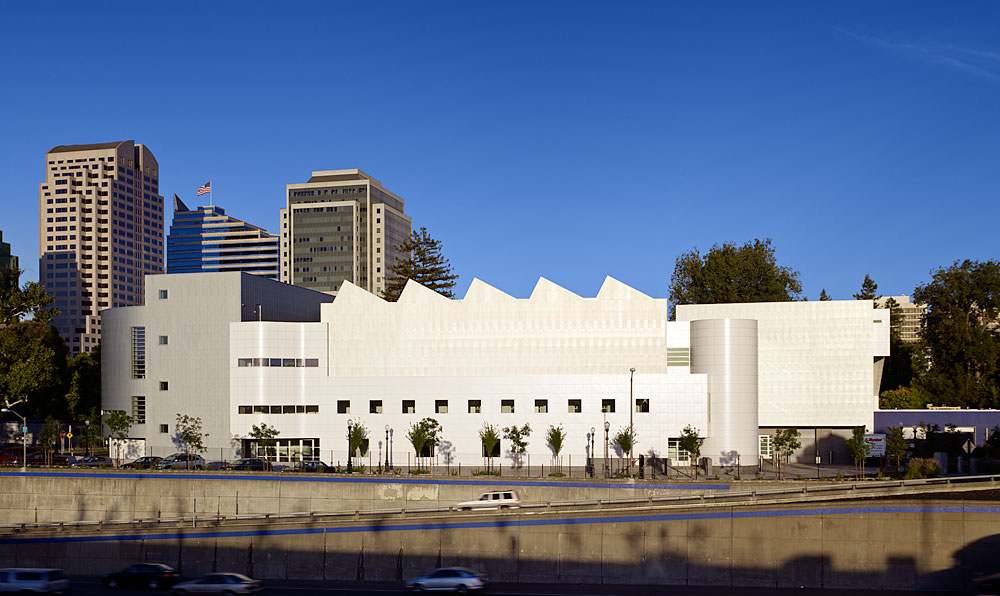
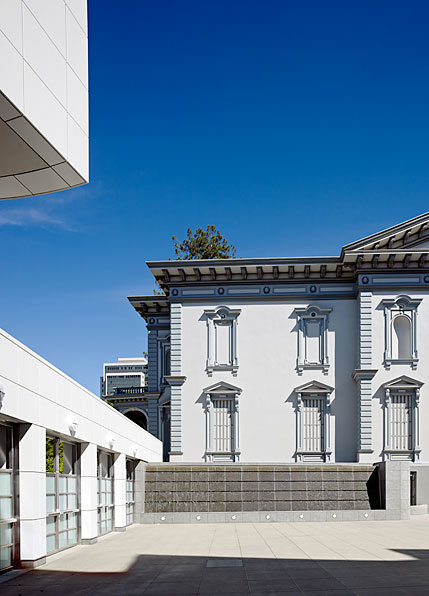
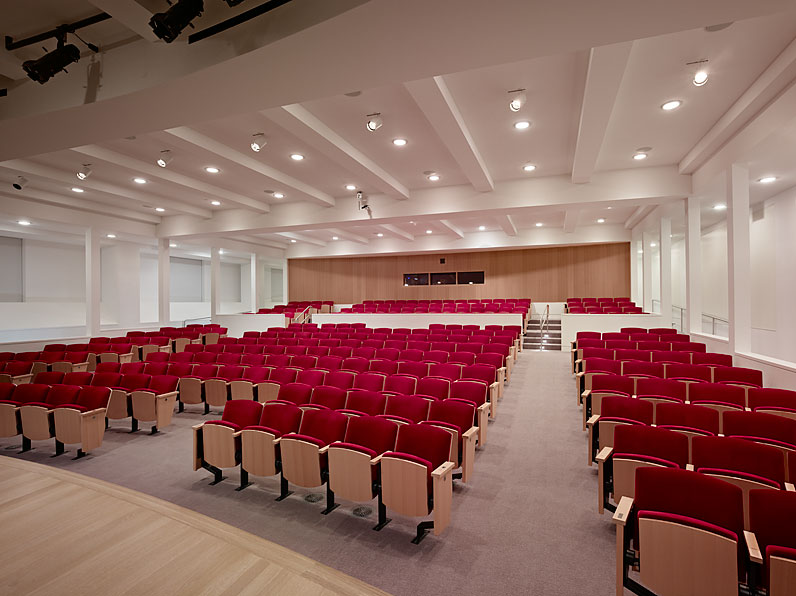
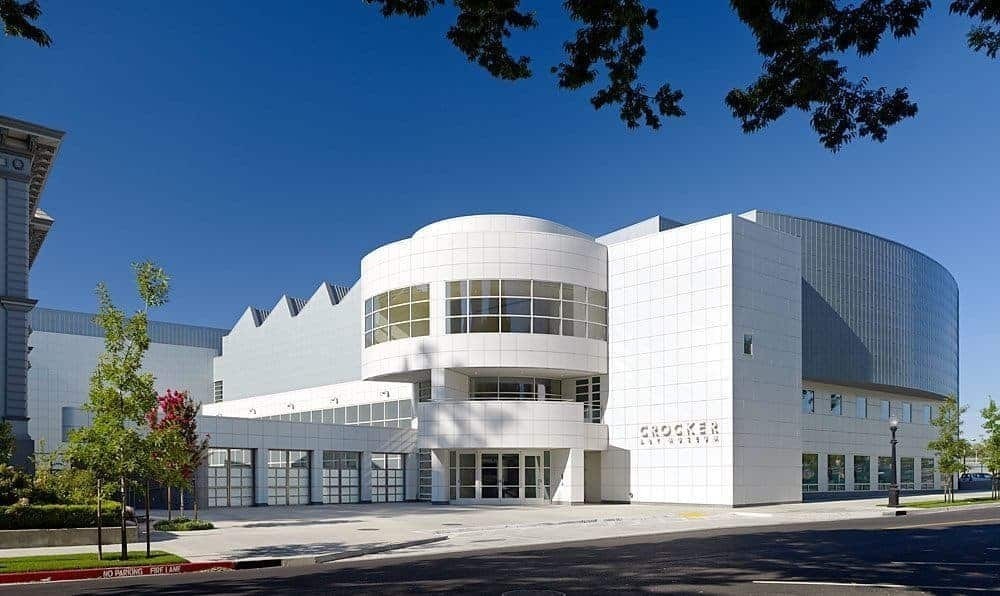
Addition and Renovation Sacramento, CA The existing Crocker Art Museum is a 45,000 square-foot complex made up of the historic Crocker Art Gallery, family mansion and various later additions. Their current facilities are outgrown and inadequate. The goal was to elevate the museum to the level of a world-class facility through the re-programming, restoring and upgrading of existing facilities, and expanding the museum by 100,000 additional square feet. Continue BackThe new addition is rotated on a due north/south axis, disengaging it from the existing orthogonal street grid and Crocker complex, which reinforces the contrapuntal siting and massing.
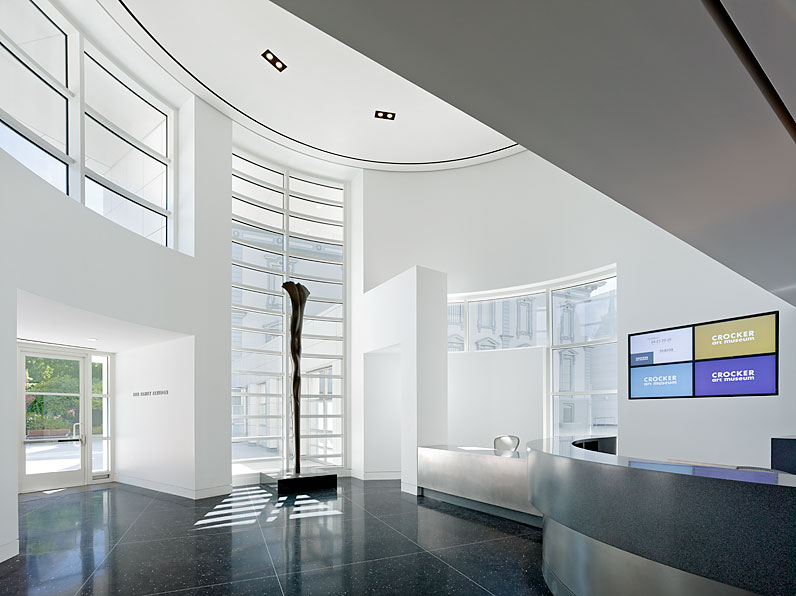
The ground floor contains a new entry off O Street, which simultaneously accesses the museum store, lobby, reception desk, double height multi-use gallery/reception space which opens to the new courtyard, café, public meeting rooms, auditorium, loading dock and service support spaces. Also accessible from the ground floor is a new connection/circulation space to the Herold Wing, which interconnects service and public access between the new addition and the existing buildings. The connection, which occurs on all three floors, re-facades the Herold Wing from the new courtyard, forming a consistent architectural image for the space.
The second floor is occupied by the administrative staff offices, art storage spaces with potential public viewing and access, service spaces and the second floor connection to the Herold Wing. This connection also facilitates service to the Crocker Art Gallery Ballroom for events and catered functions.
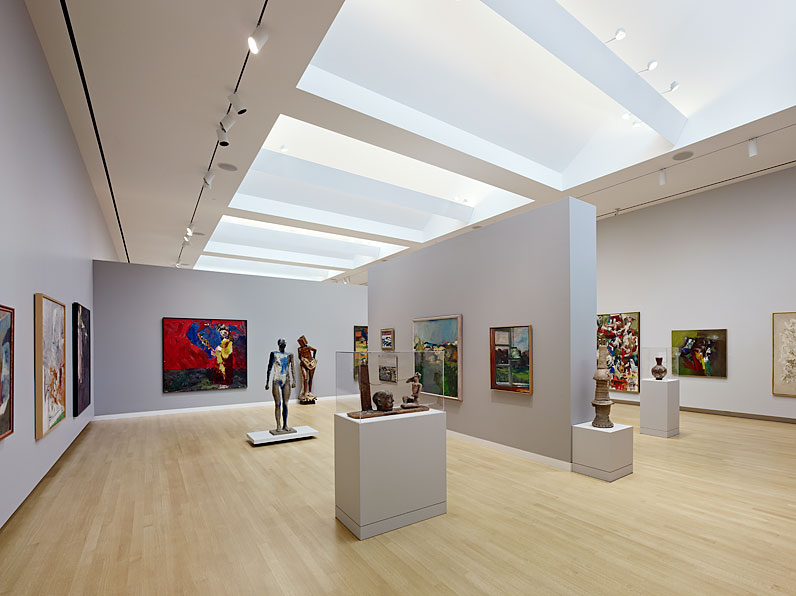
The third floor is occupied by the new suite of temporary and changing exhibition galleries that afford maximum flexibility and installation variation. The new galleries are directly connected to the existing Art Gallery building, allowing for a continuous circulation sequence from the new to the existing, both vertically and horizontally, thus totally integrating the entire complex.
Associate Architect: HMR Architects, Inc.
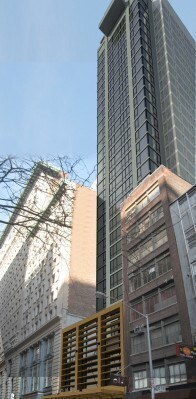
International Center of Photography
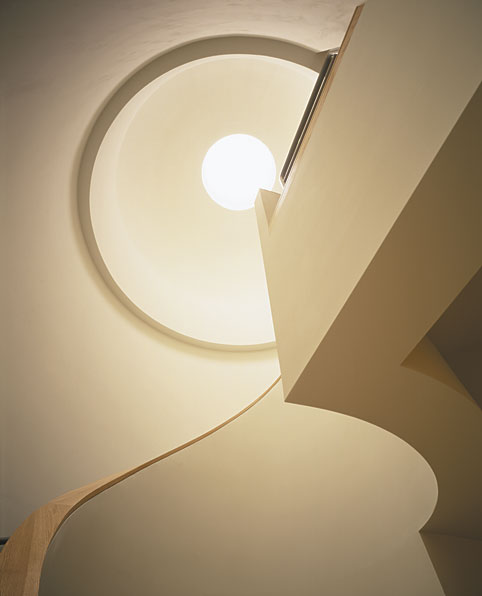
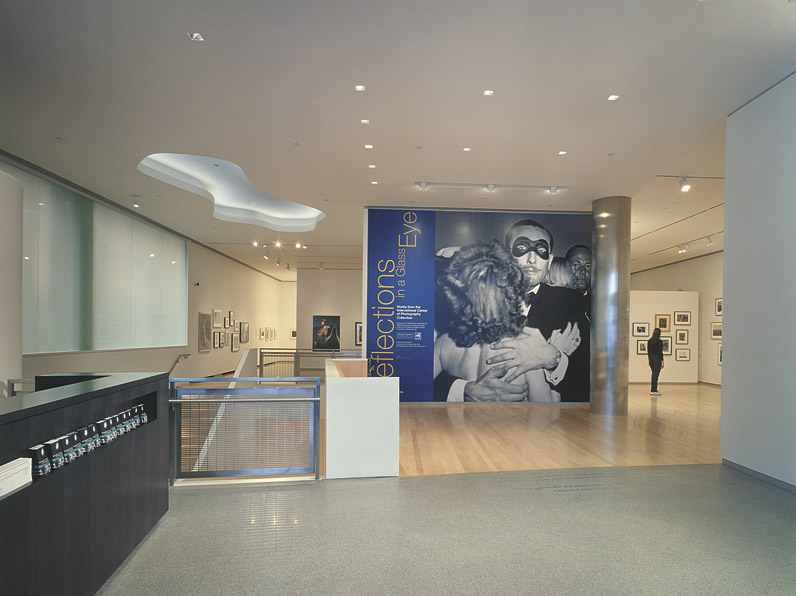
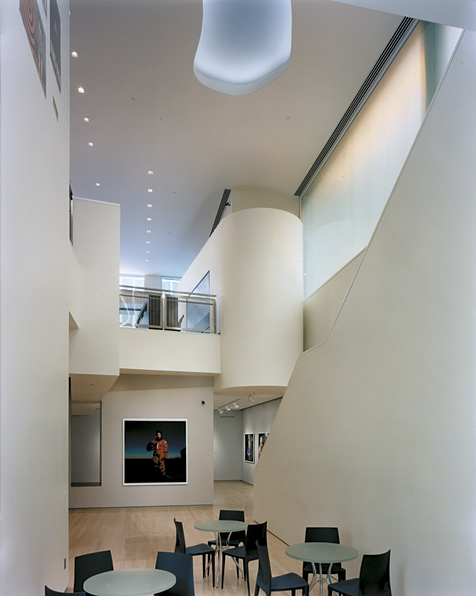
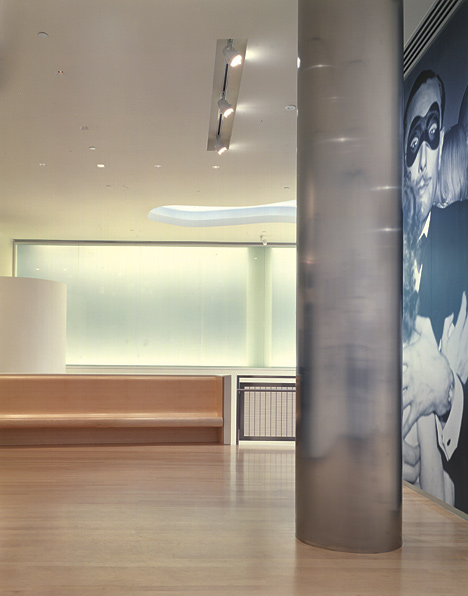
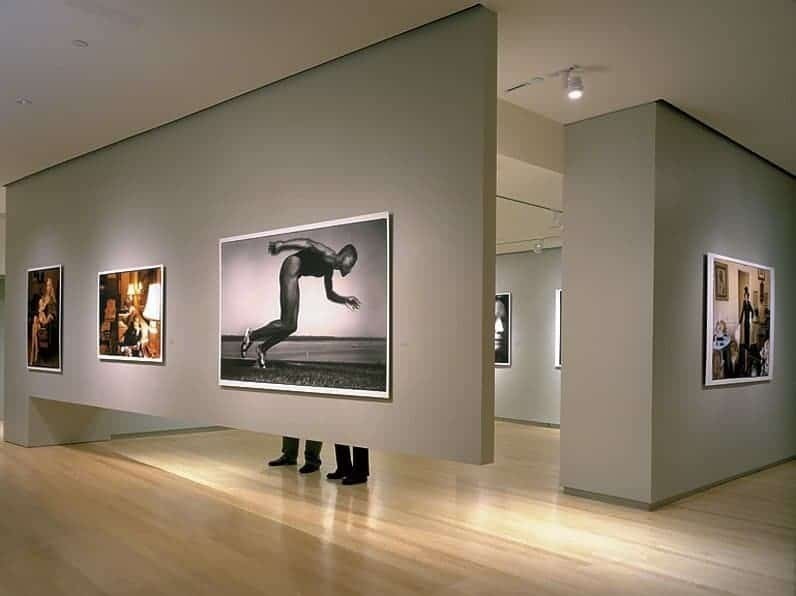
New York, NY To create the new space for the International Center of Photography, Gwathmey Siegel Kaufman renovated the ground and lower levels, a 24,000 square foot space, in an existing office building. The ground floor contains the entry lobby, reception area, museum store and initial galleries. The lower level, accessed through a double height stair volume, contains galleries, cafe and support space. Continue Back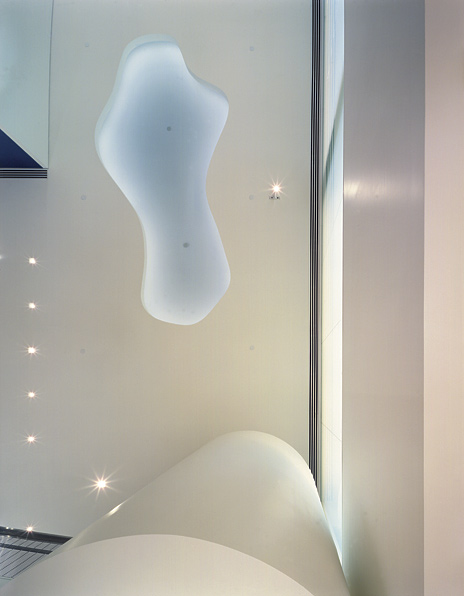
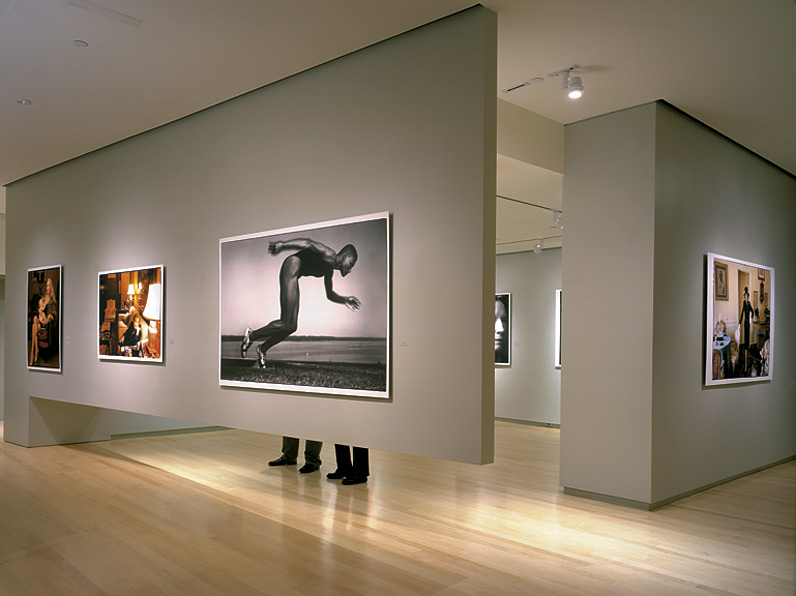
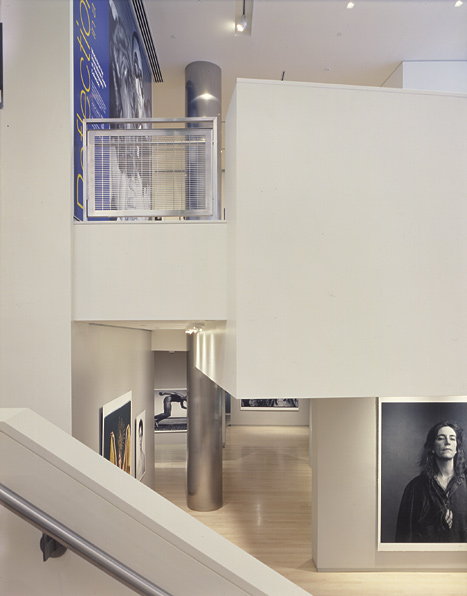
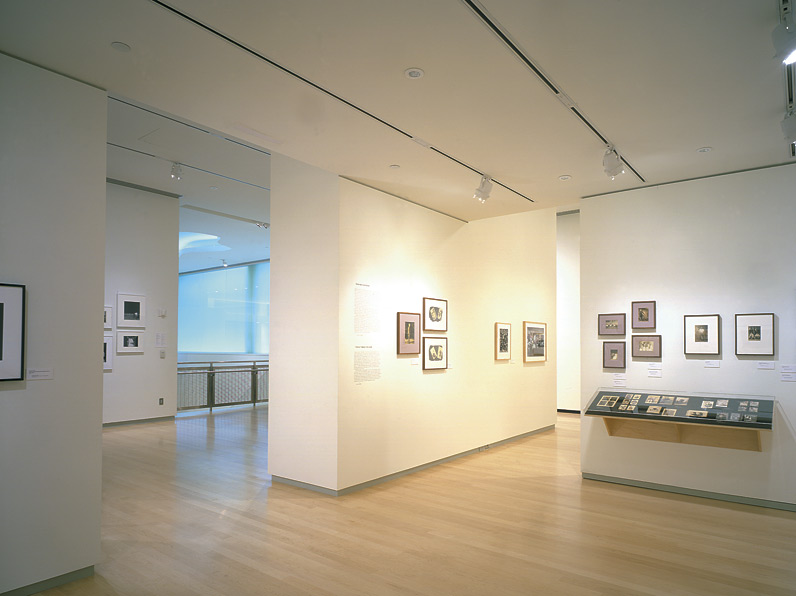
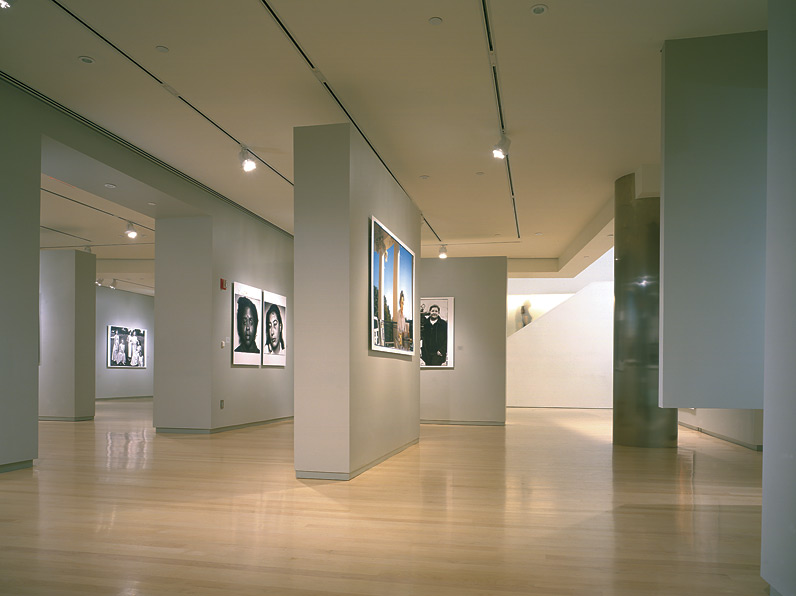
Solomon R. Guggenheim Museum
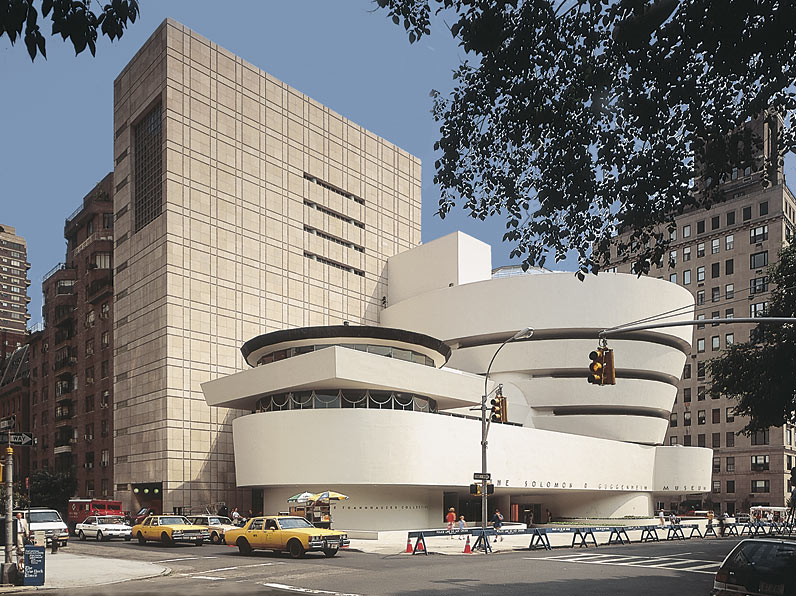
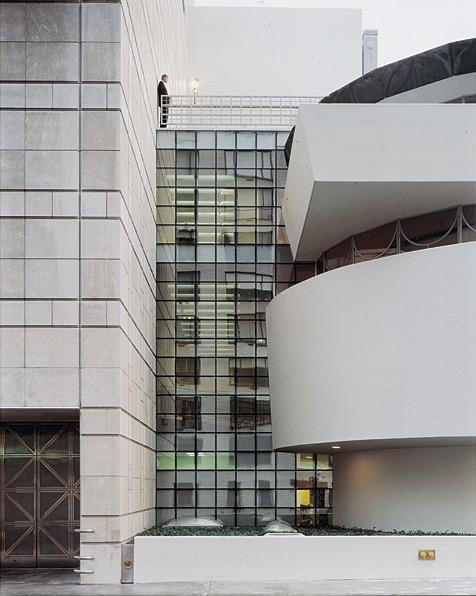
Renovation and Addition New York, NY Gwathmey Siegel Kaufman's addition to and renovation of the Solomon R. Guggenheim Museum in New York City is one of the firm’s most celebrated and critically acclaimed works. It contains 51,000 square feet of new and renovated gallery space, 15,000-square-feet of new office space, a restored theater, new restaurant and retrofitted support and storage spaces. Continue BackThe entire original structure is now devoted to exhibition space. Each ramp cycle affords the option of entry or views to new galleries. Within the rotunda, numerous technical refinements have corrected omissions in the original construction and brought the building up to current museum standards. Re-glazing the central lantern, opening the clerestories between the turns of the spiral wall, and restoring the scalloped flat clerestory at the perimeter of the ground floor exhibition space have recaptured the sensitivity to light evident in Wright’s original design.
“Tasteful, discrete and logical”
Architecture Magazine, August 1992
“After years of fuss and furor, the great but inhospitable Guggenheim gets a splendid overhaul.”
Time Magazine, 6 July 1992
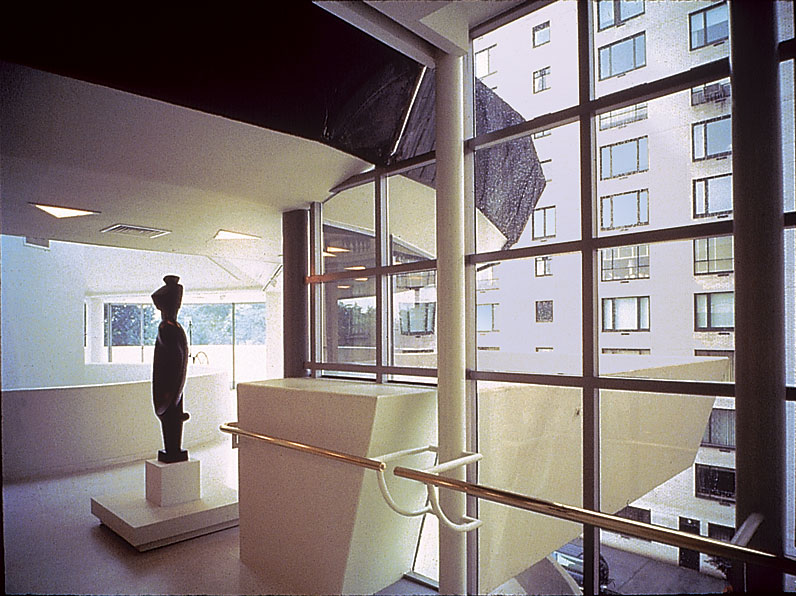
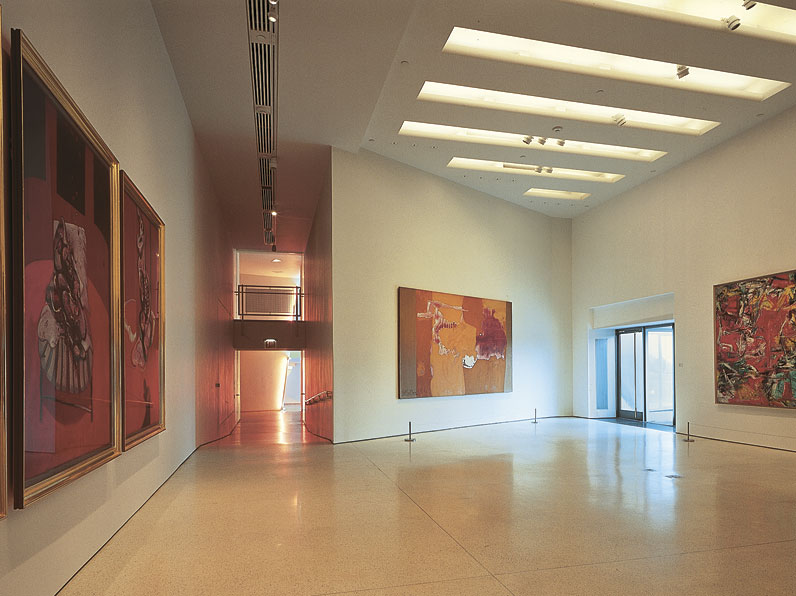
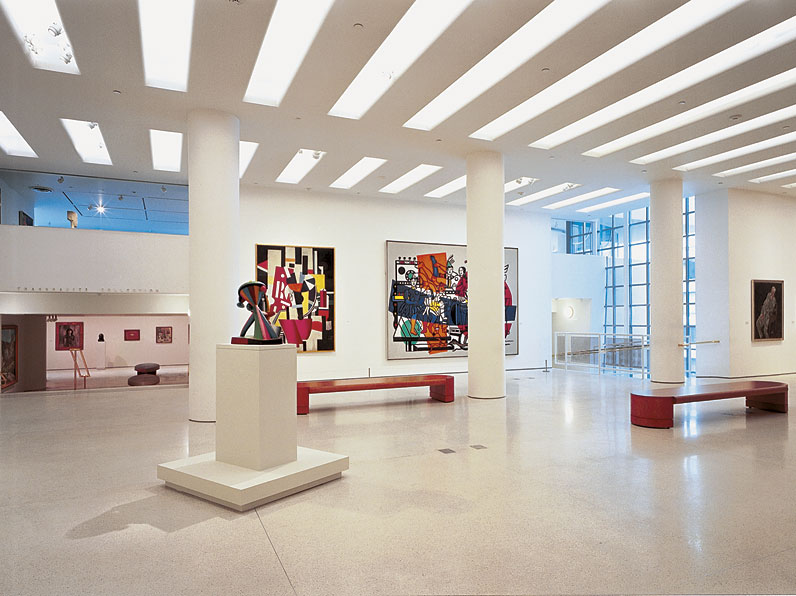
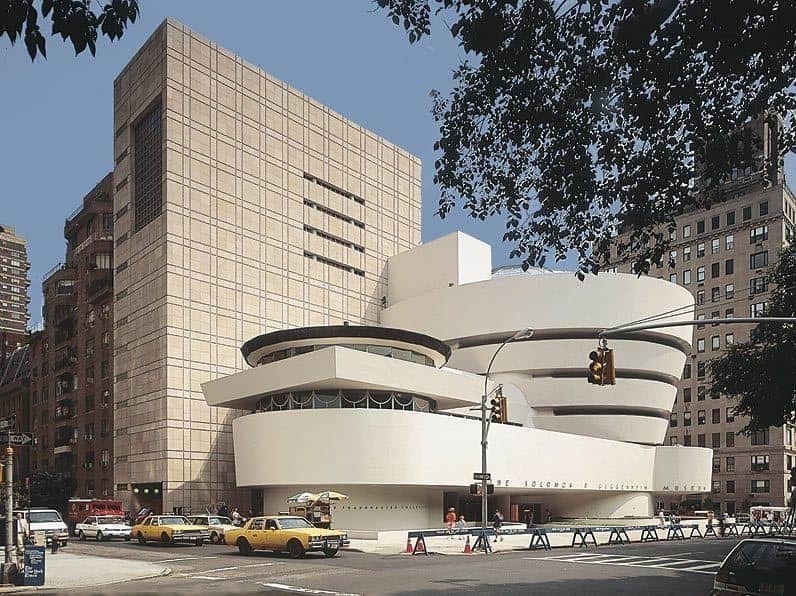
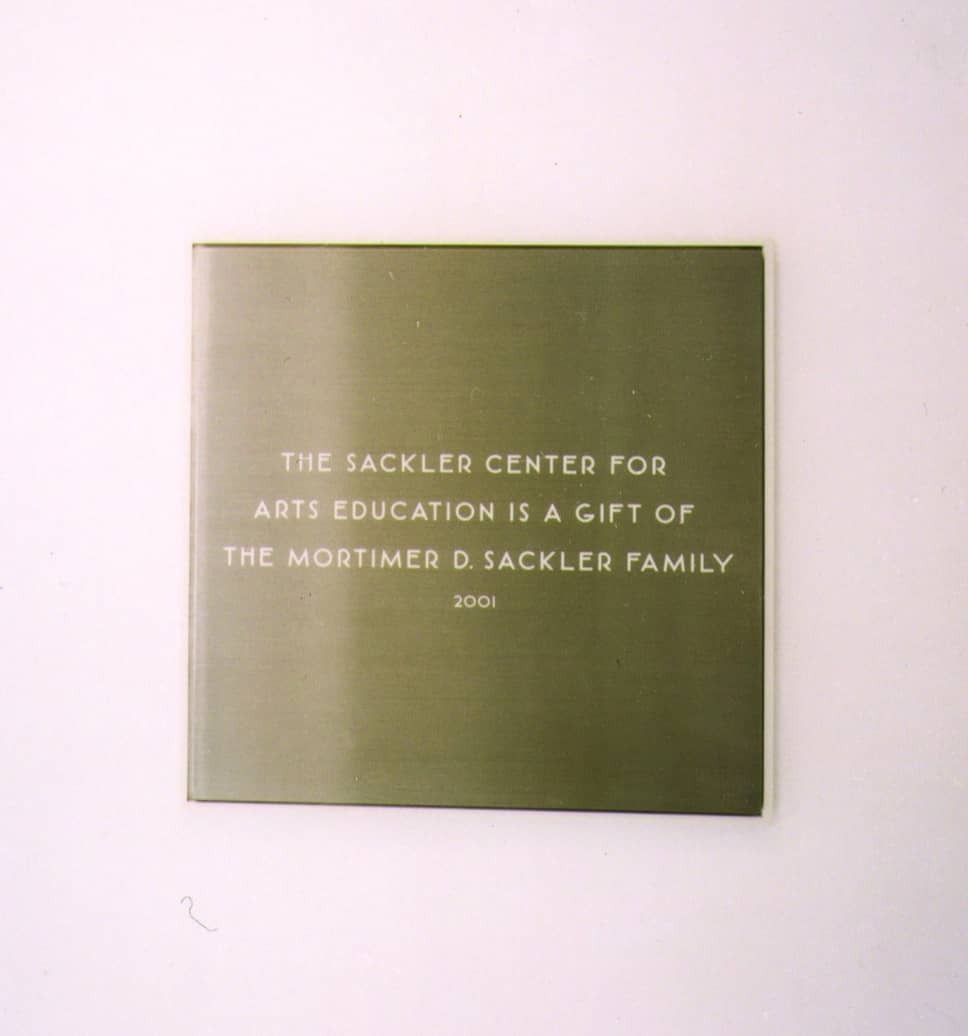
The Sackler Center for Arts Education – Guggenheim
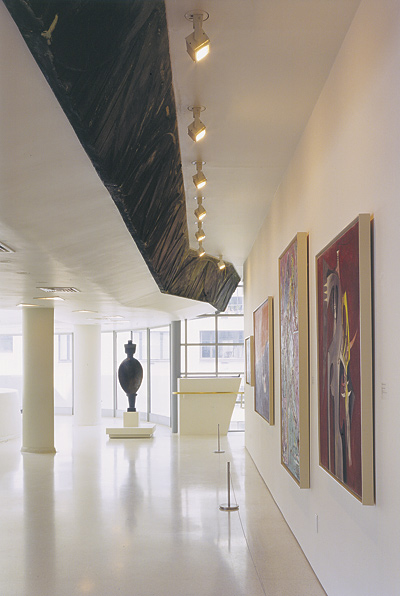
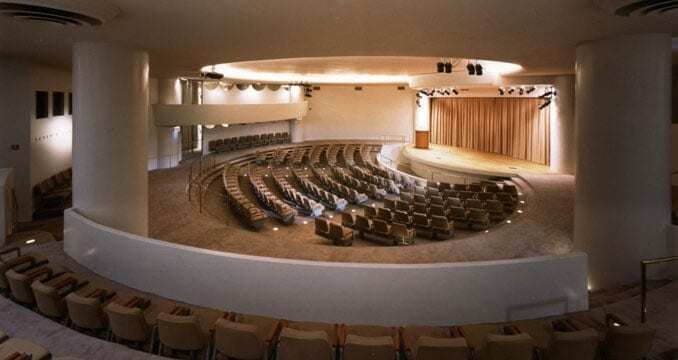
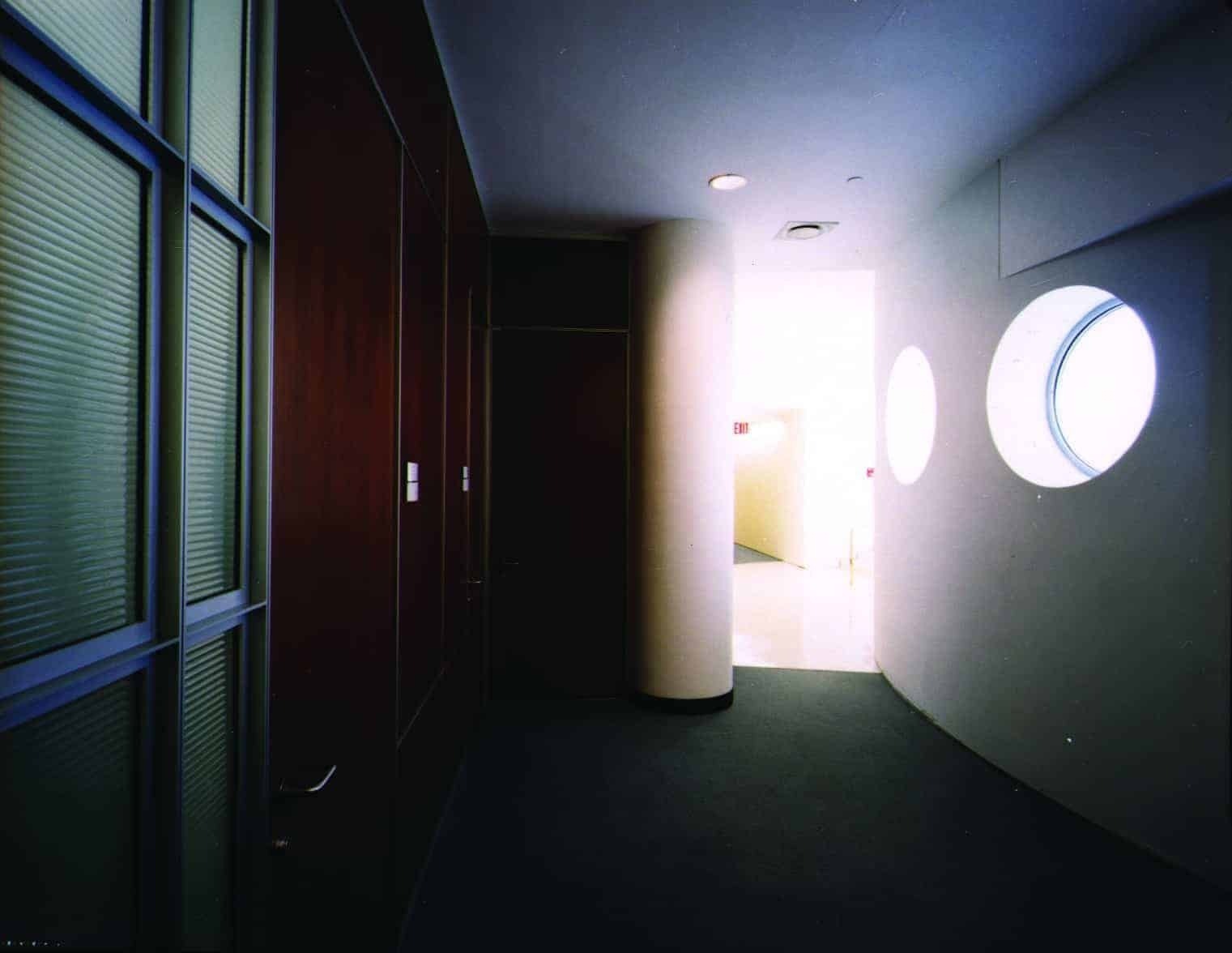
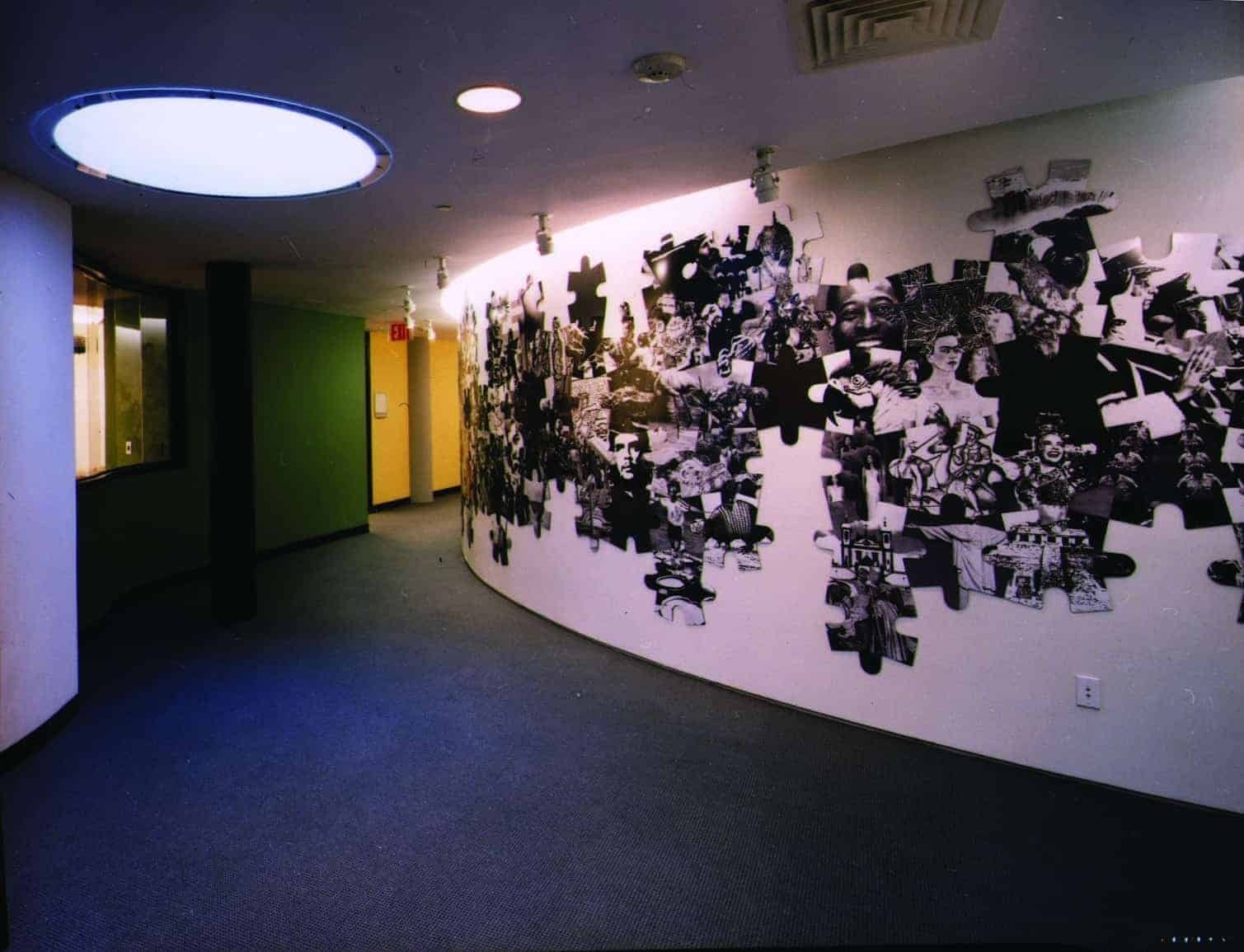
The Sackler Center for Arts Education New York, NY Continue BackThe Sackler Center for Arts Education – Guggenheim
1071 5th Ave. New York, NY 10128Y
University of Washington
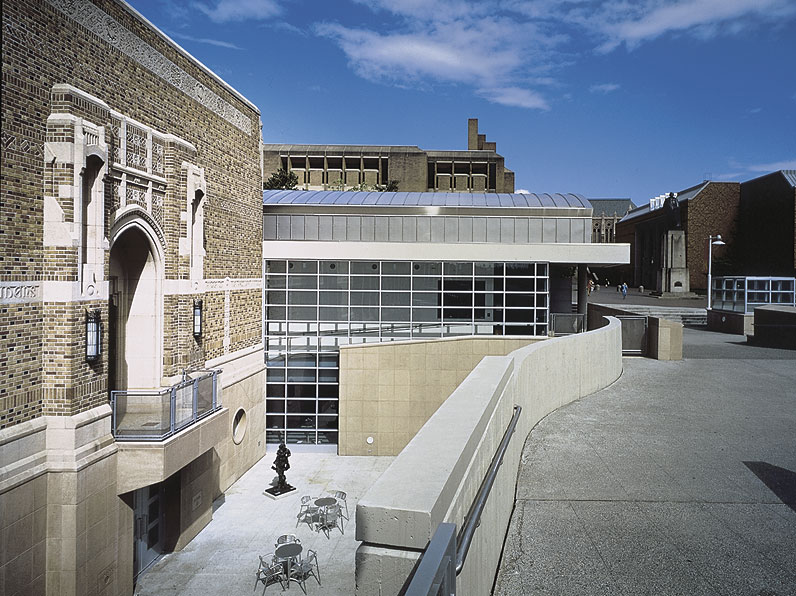
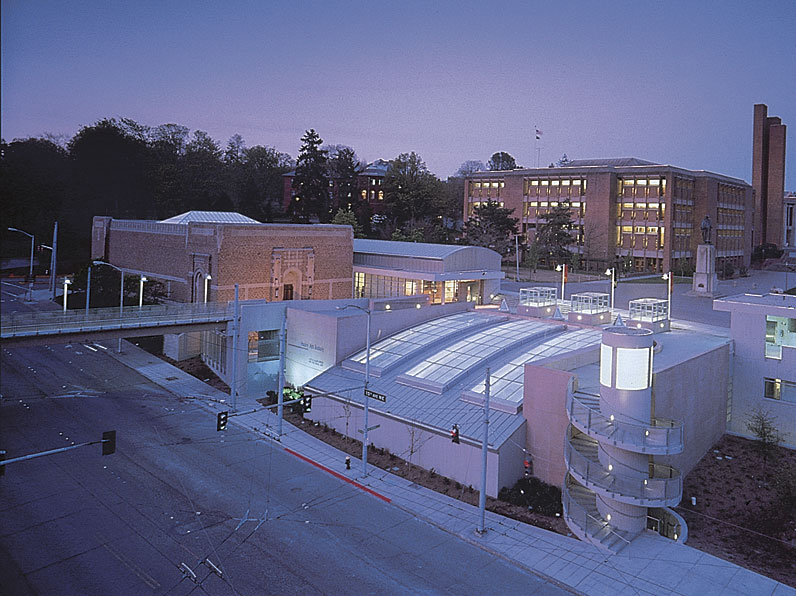
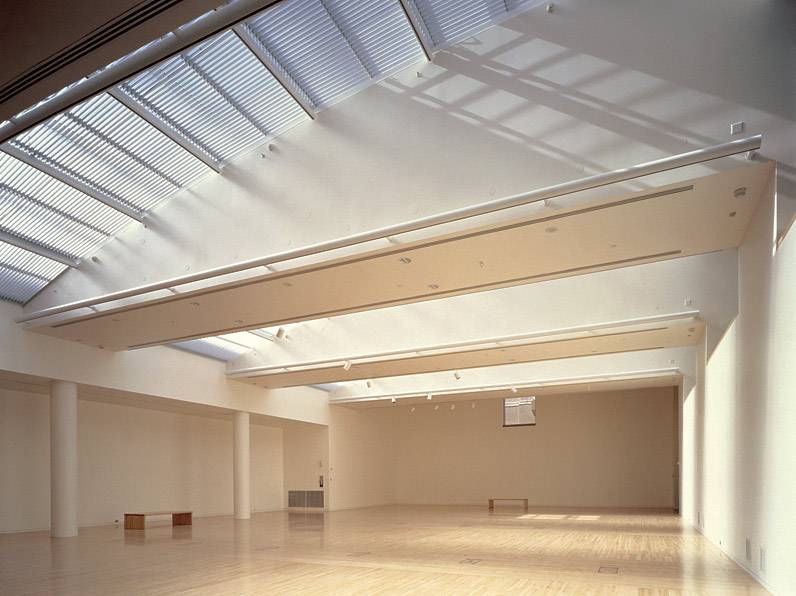
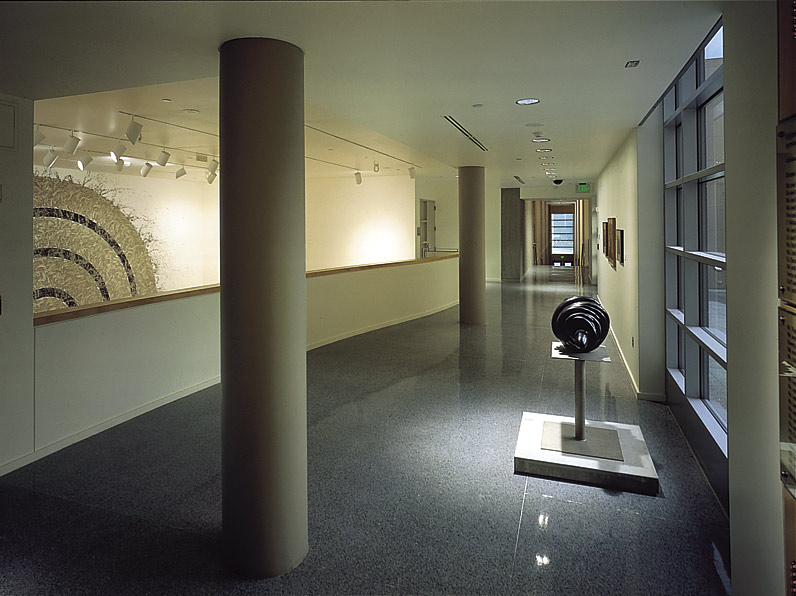
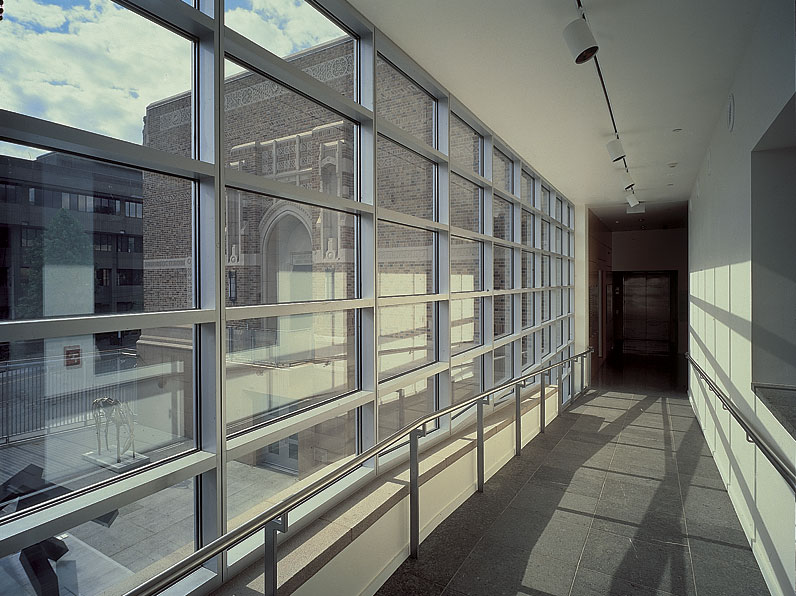
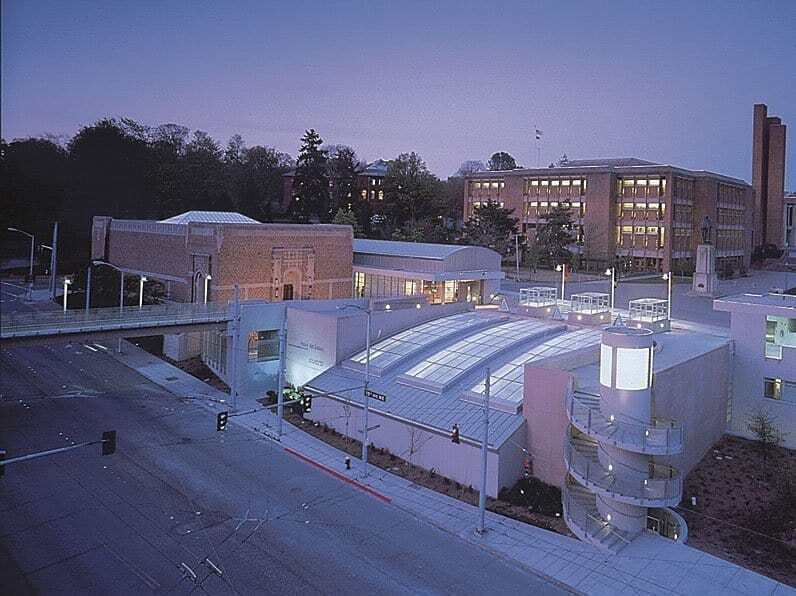
Henry Art Gallery Seattle, WA The contextual challenges posed by the renovation of and addition to the Henry Art Gallery not only afforded the opportunity to recast the 1926 Carl F. Gould building, a 10,000 square foot, two-story masonry structure, as the primary element of the west campus entry to the University of Washington, but in fact propelled the design and helped to define the program. Continue BackBut perhaps most important, the intervention visually separates the museum and addition from adjacent structures, affording a legitimate transition, a new sense of place, an expectant and enriched entry sequence and an integration of site, circulation and context.
In counterpoint to the original Henry, the new main gallery constitutes a memorable form to be re-experienced from within. The addition also acts as a carving away of a solid, revealing fragments that interact with the original Henry to re-site it as the asymmetrical—though primary—object in a new contextual frame, unifying the multiple architectural and site issues at the end of Campus Parkway.
Finally, the intervention is an architectural collage that unifies disparate elements in both contrapuntal and asymmetrical variations. The variations reestablish the primary site axis to Suzzallo Library, reconcile the vertical transition from the street to the plaza level and integrate the original Henry facade both with the new sculpture court and gallery entry and with the campus entry. As fragments, the forms imply but do not directly reveal their spaces. Thus anticipation, sequential revelation and memory become as crucial to the experience as the physical manifestation of the complex.
Associate Architect: Loschky Marquardt & Nesholm
Richard Andrews, Director
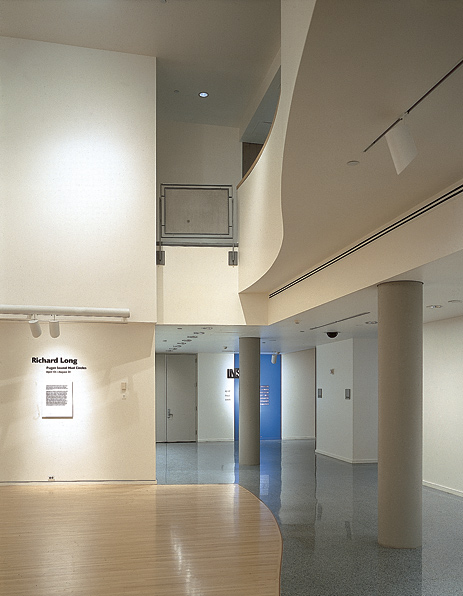
“[The] inversion of the expected order—descending to the largest, brightest, and most dramatic volume in the building— is the most compelling aspect of the design. To find this generously daylit and high-ceilinged space in the deepest reaches of the project is a revelation. Gwathmey’s dictum that one should experience a museum as a sequence of varied spaces, a kind of unfolding and revealing of artworks with a continuous sense of surprise, has been executed brilliantly.”
Justin Henderson in “Museum Architecture”, 1998