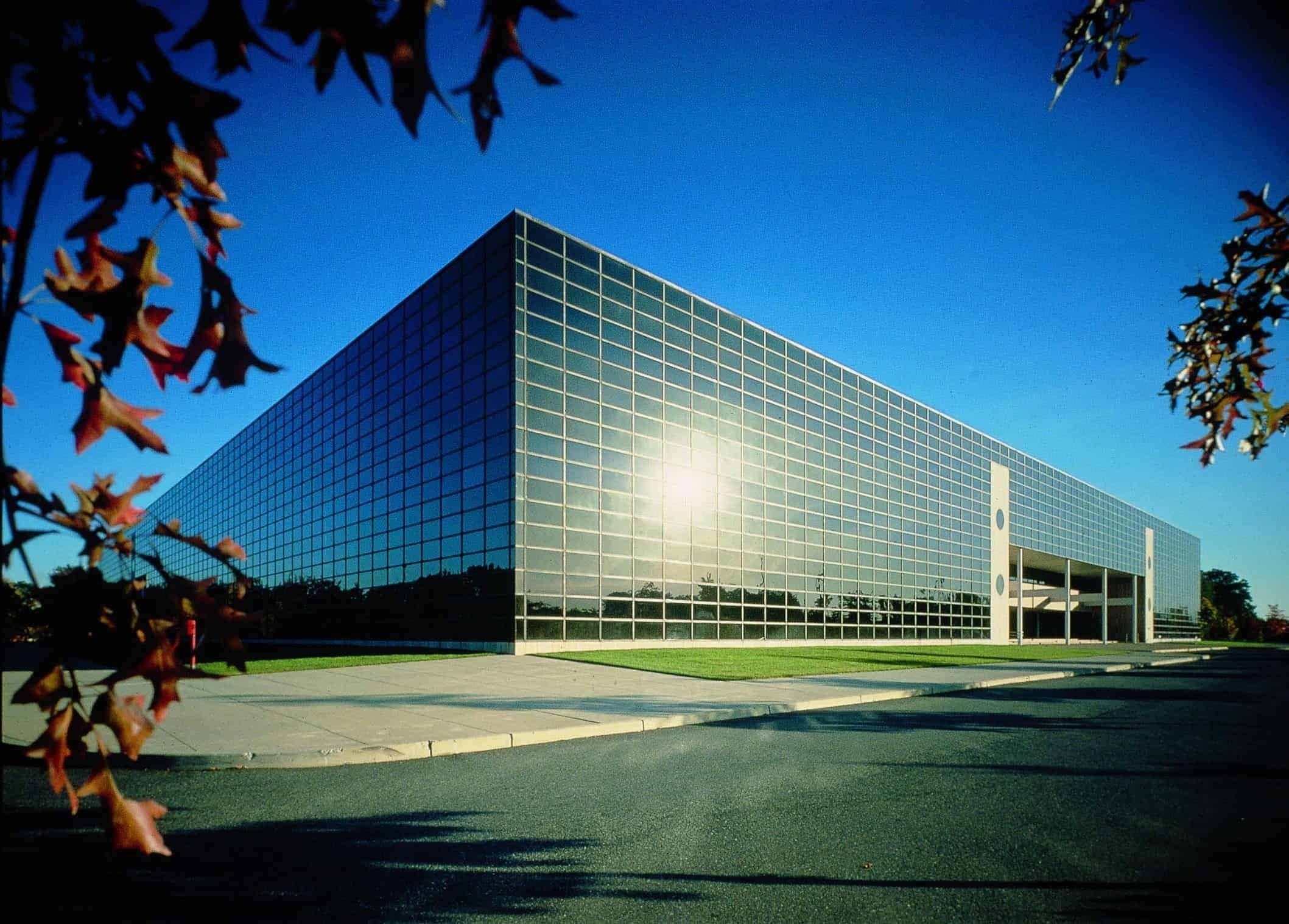
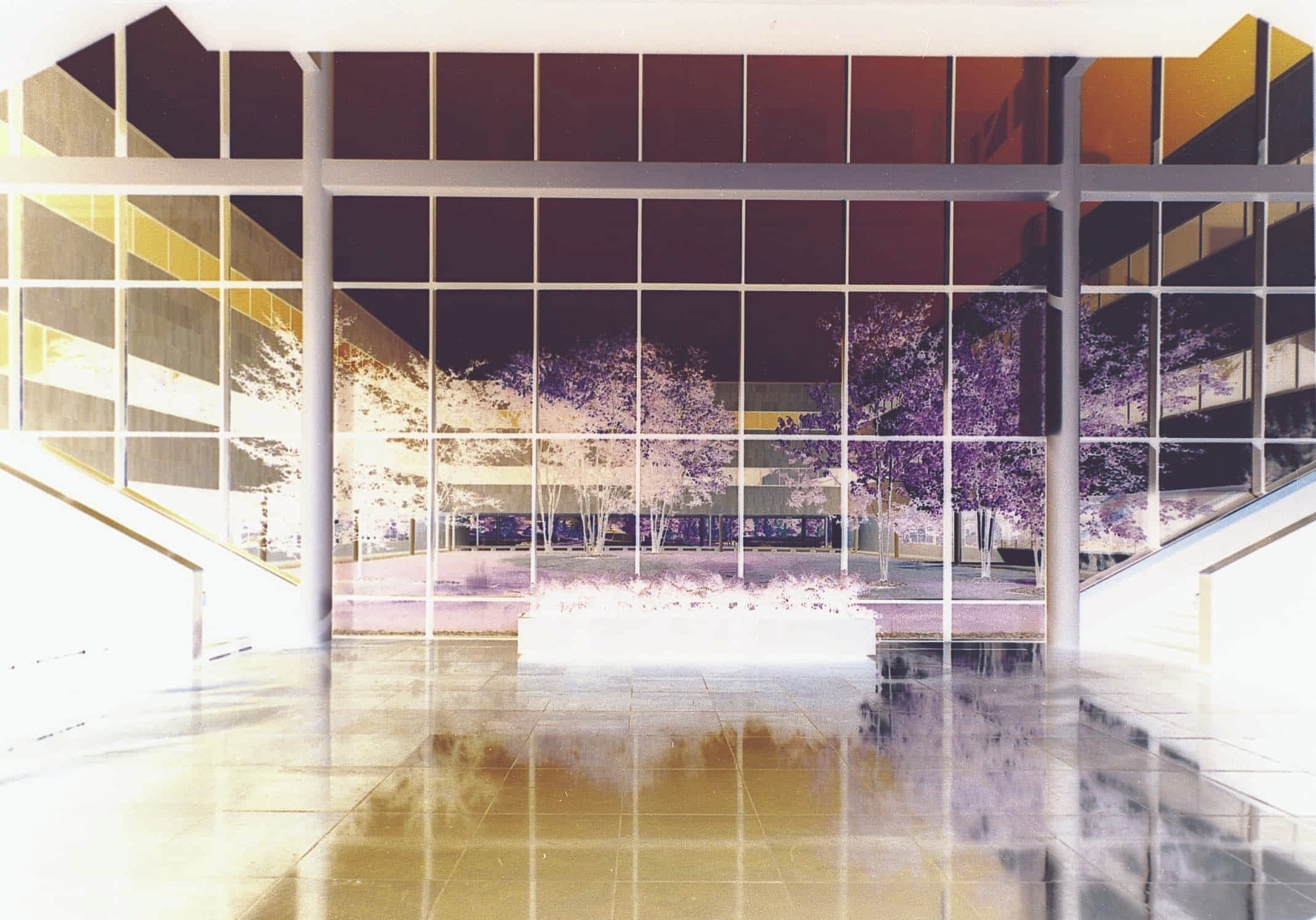
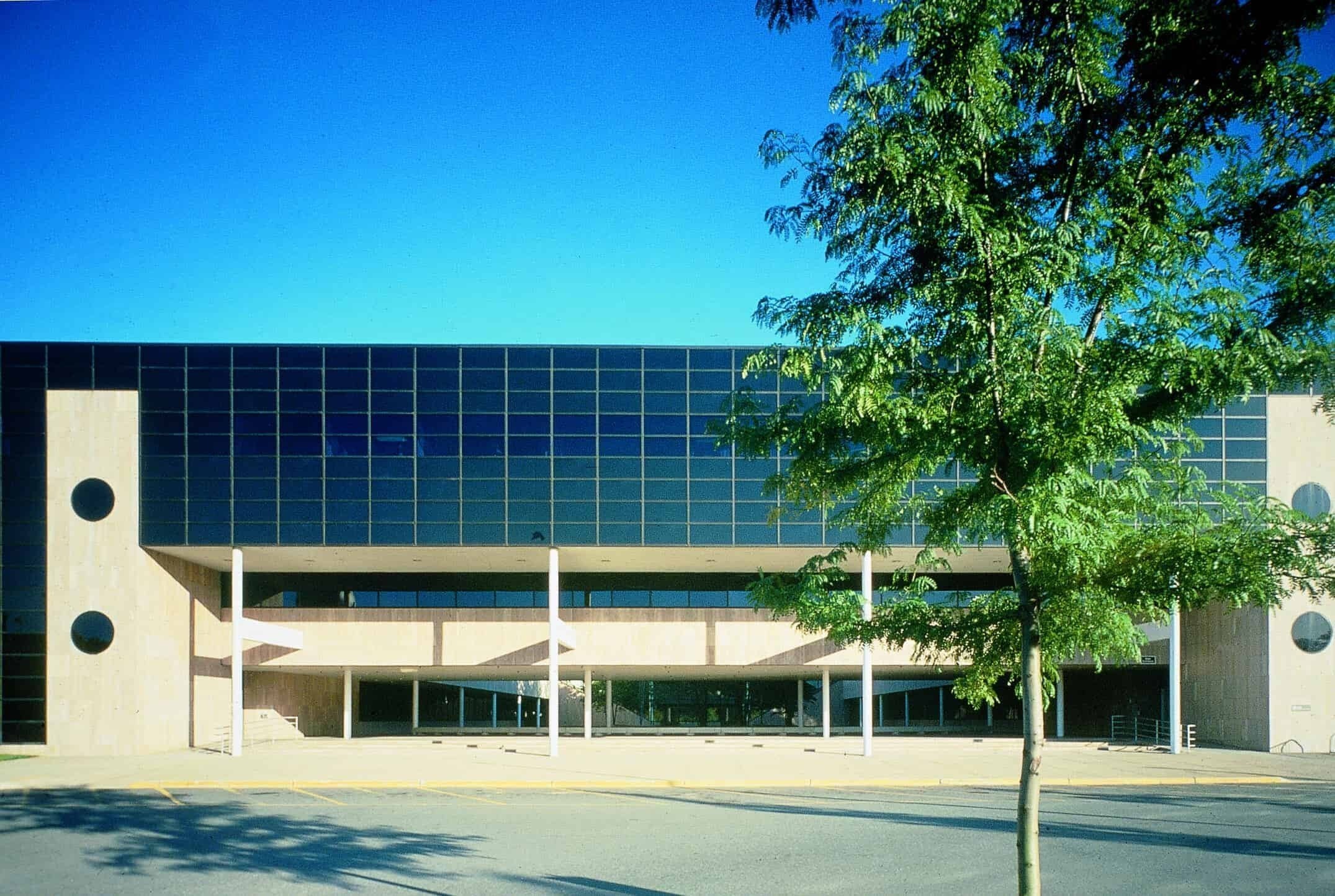
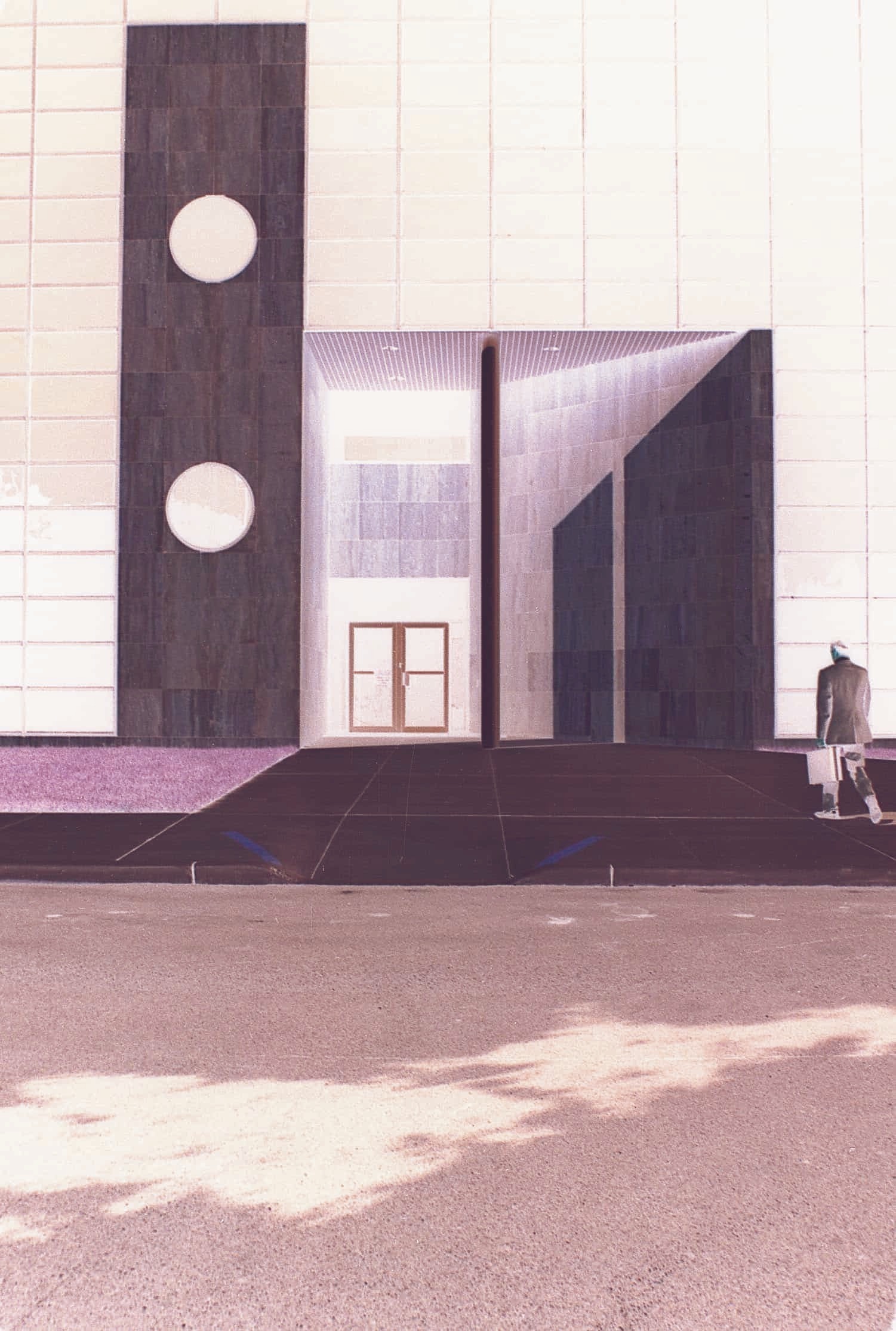
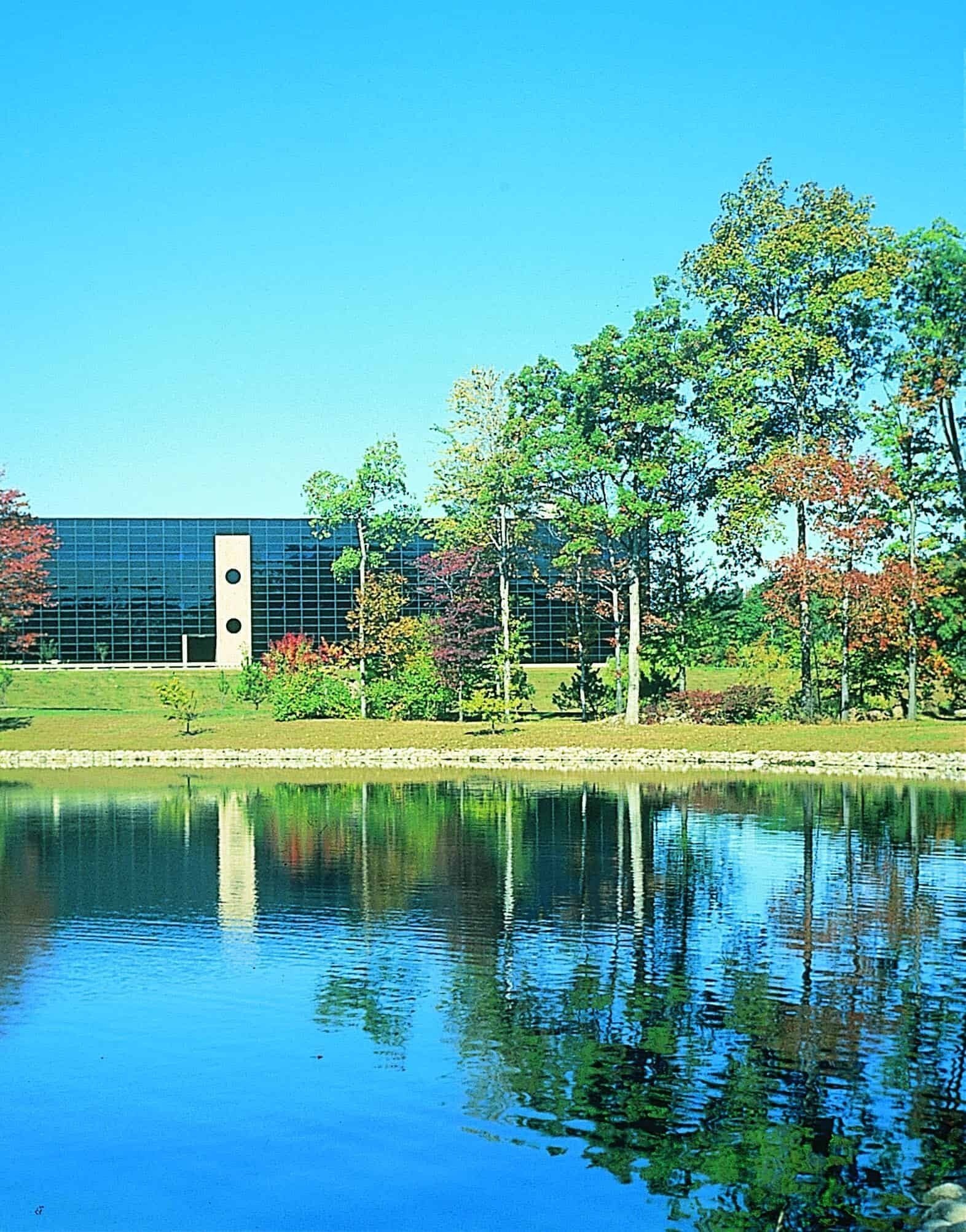
AT & T – OFFICE BUILDING
PARSIPPANY, NJ
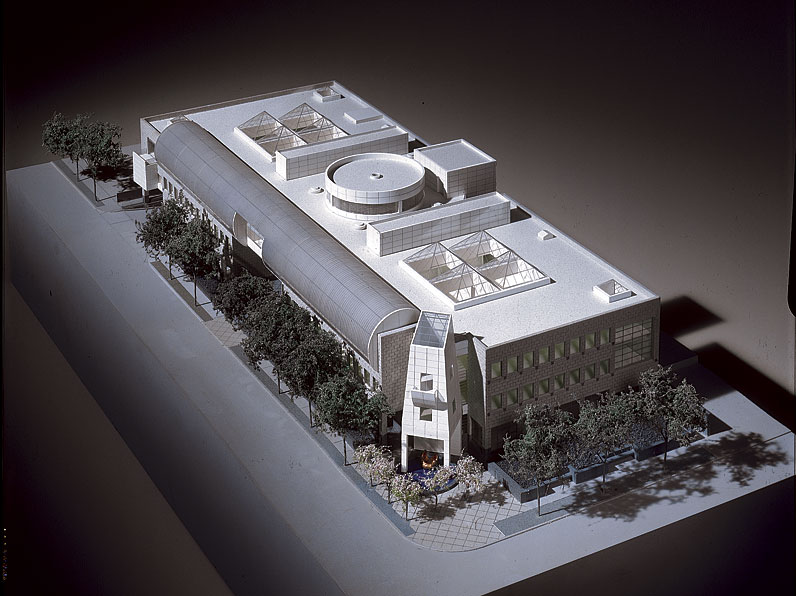
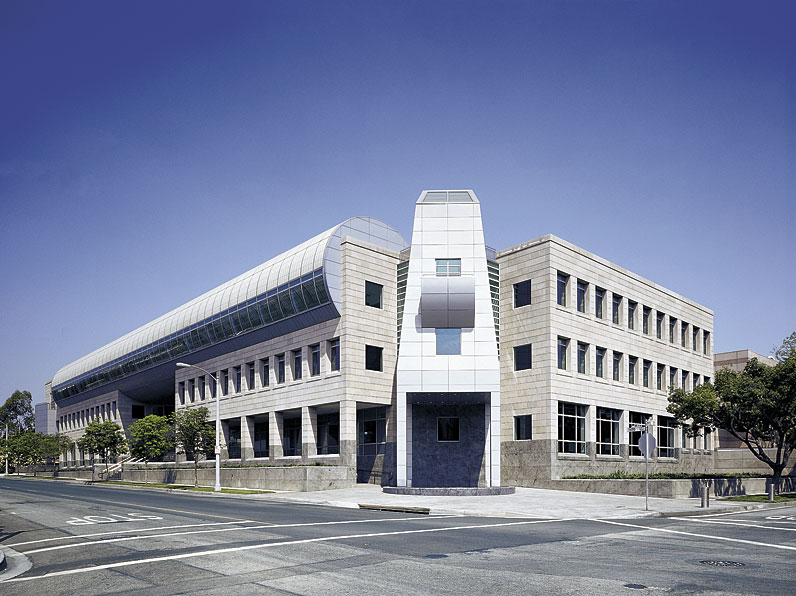
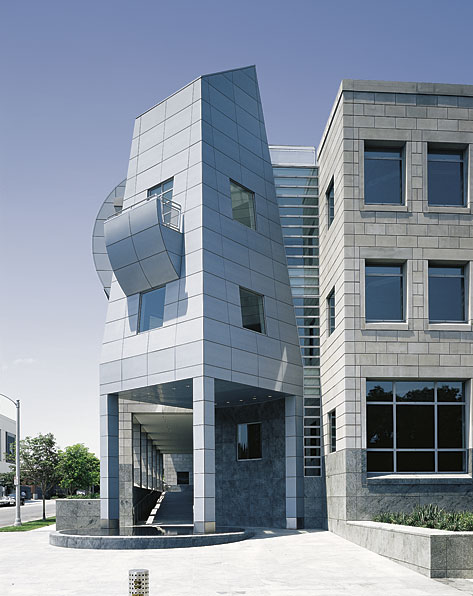
David Geffen Foundation Building
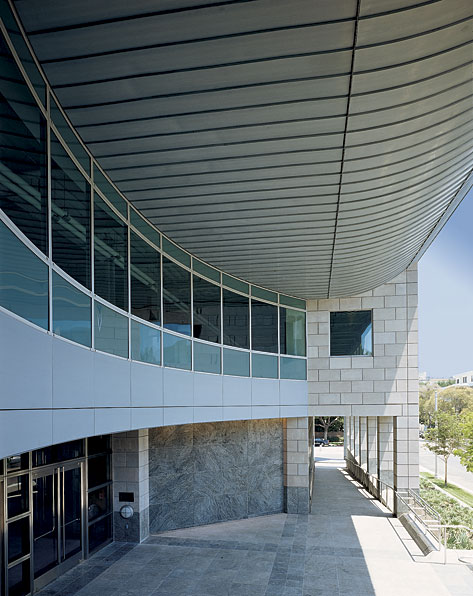
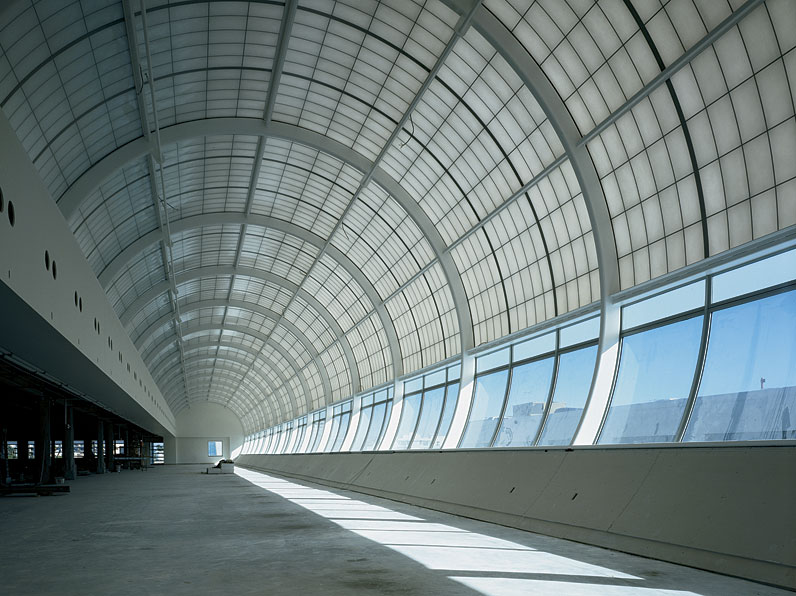
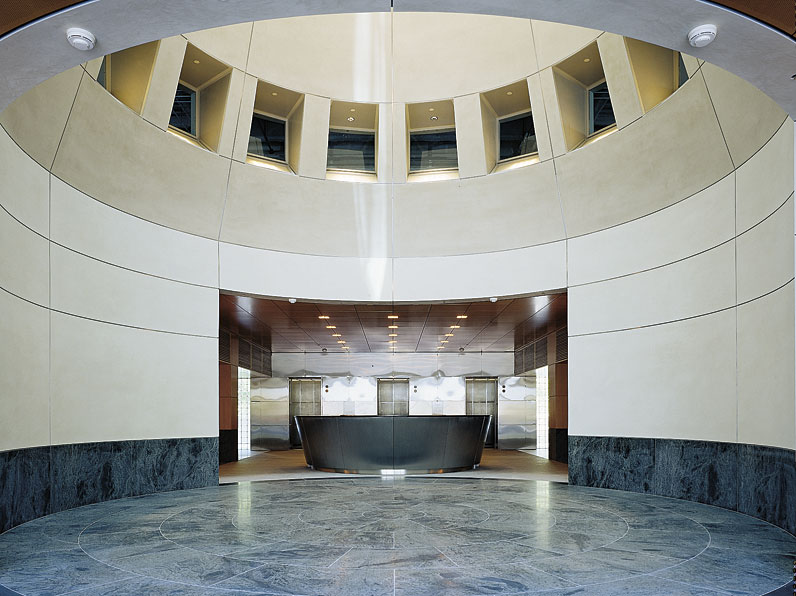
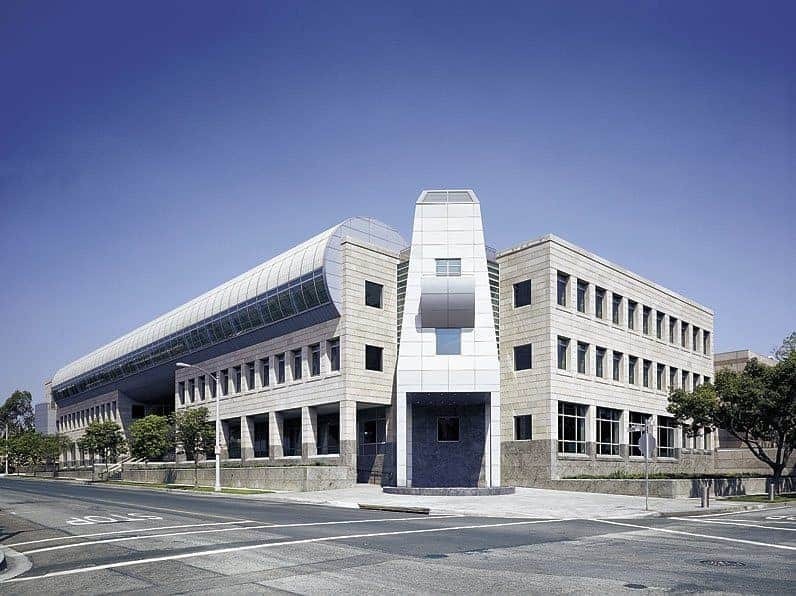
Beverly Hills, CA This 90,000 square-foot office building is located in an area where zoning restrictions limit the height of buildings to three stories. The typical cornice line along the street is reinterpreted by a barrel-vaulted, Kal-wall roof running the length of the building and incorporating the third-floor offices. Site and program variants are exploited to create a complex, hierarchically asymmetrical building. Continue BackThe primary rectilinear mass is clad with a combination of smooth gray limestone and textured green granite in contrast to the zinc panels of the screening room, conference tower and elevator core. The industrial steel window system has a powder-coated finish and is glazed with blue green tinted and ceramic frit glass. Entrance railings and miscellaneous trim are in stainless steel.
First City Bank
Houston, TX
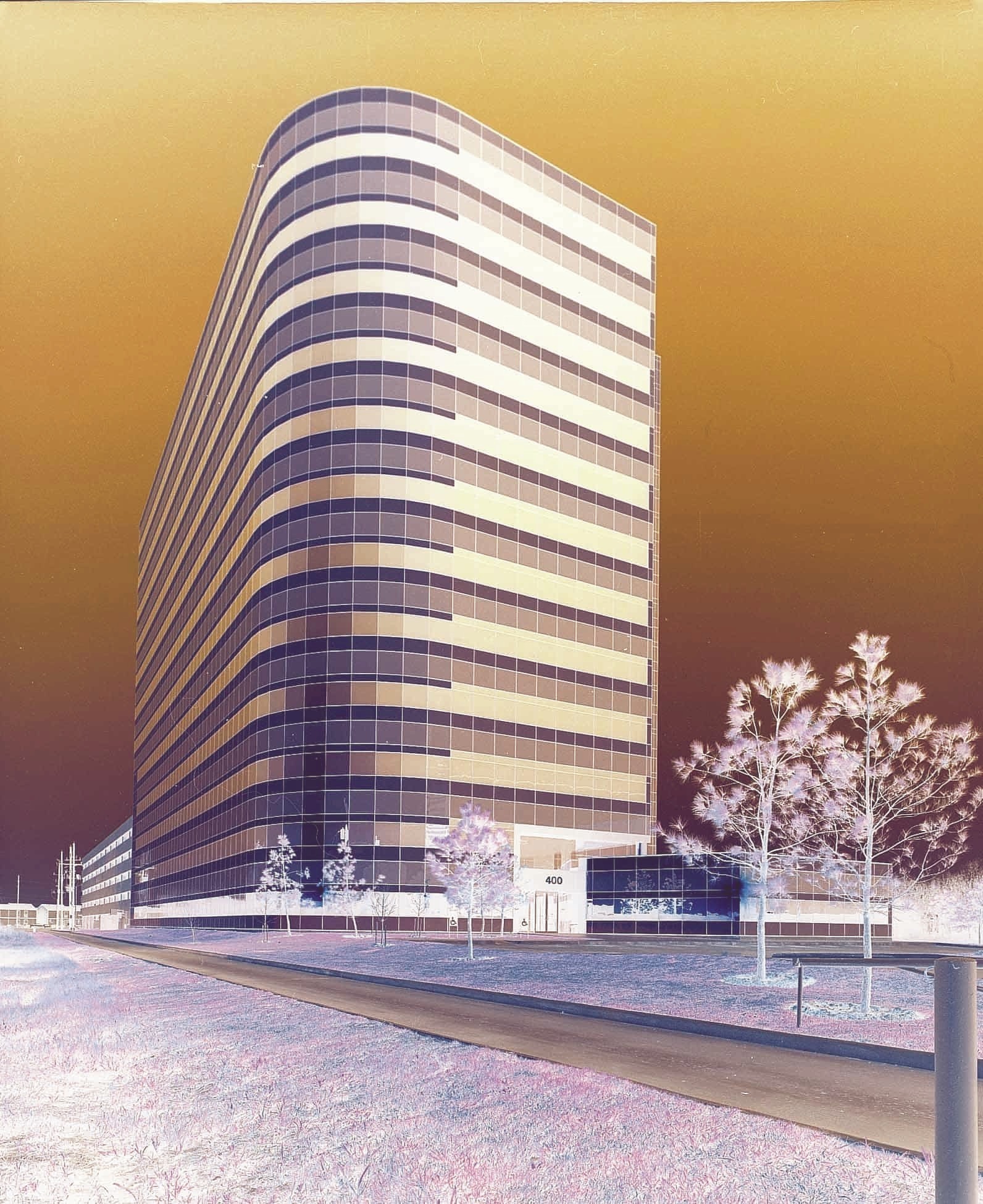
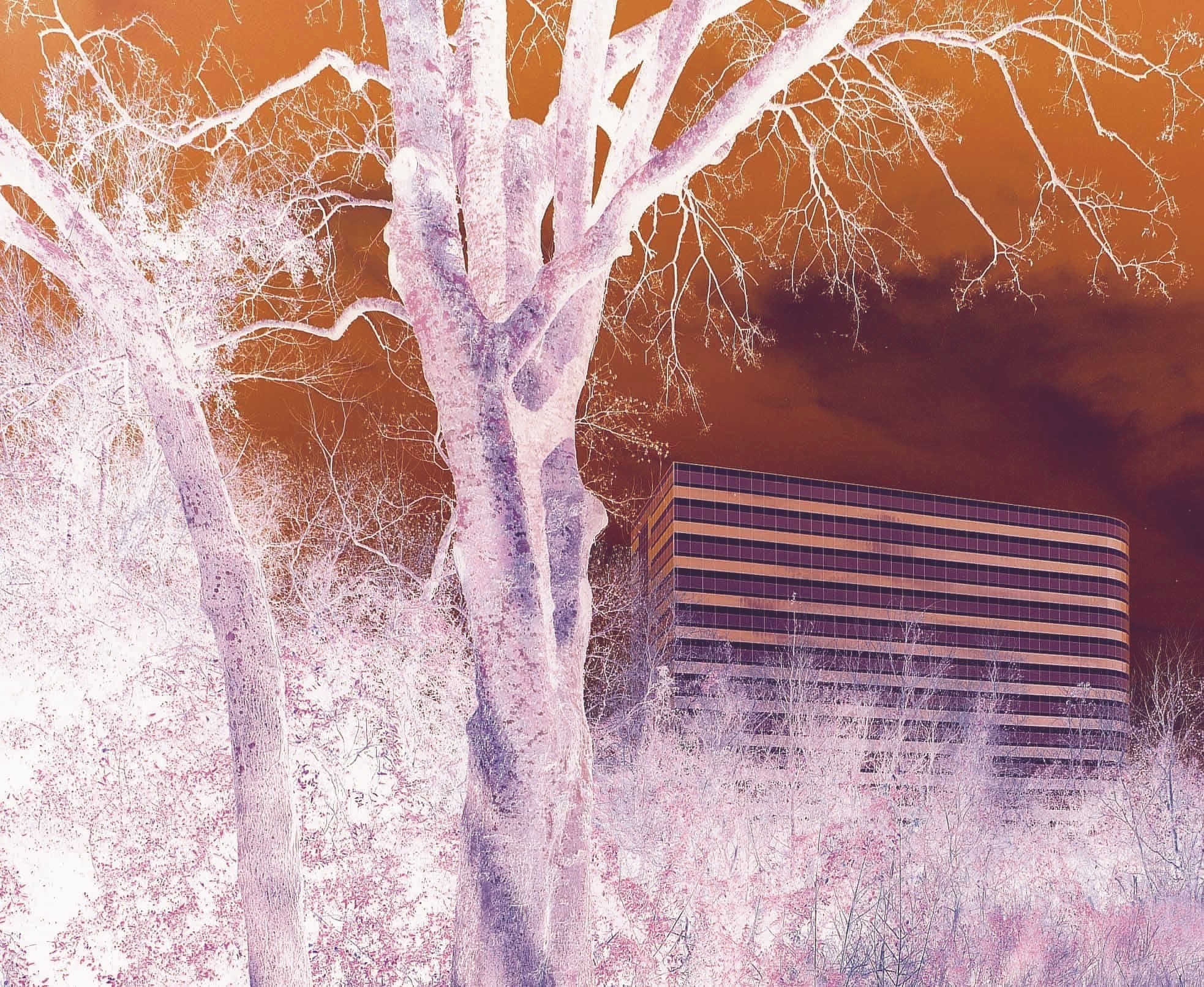
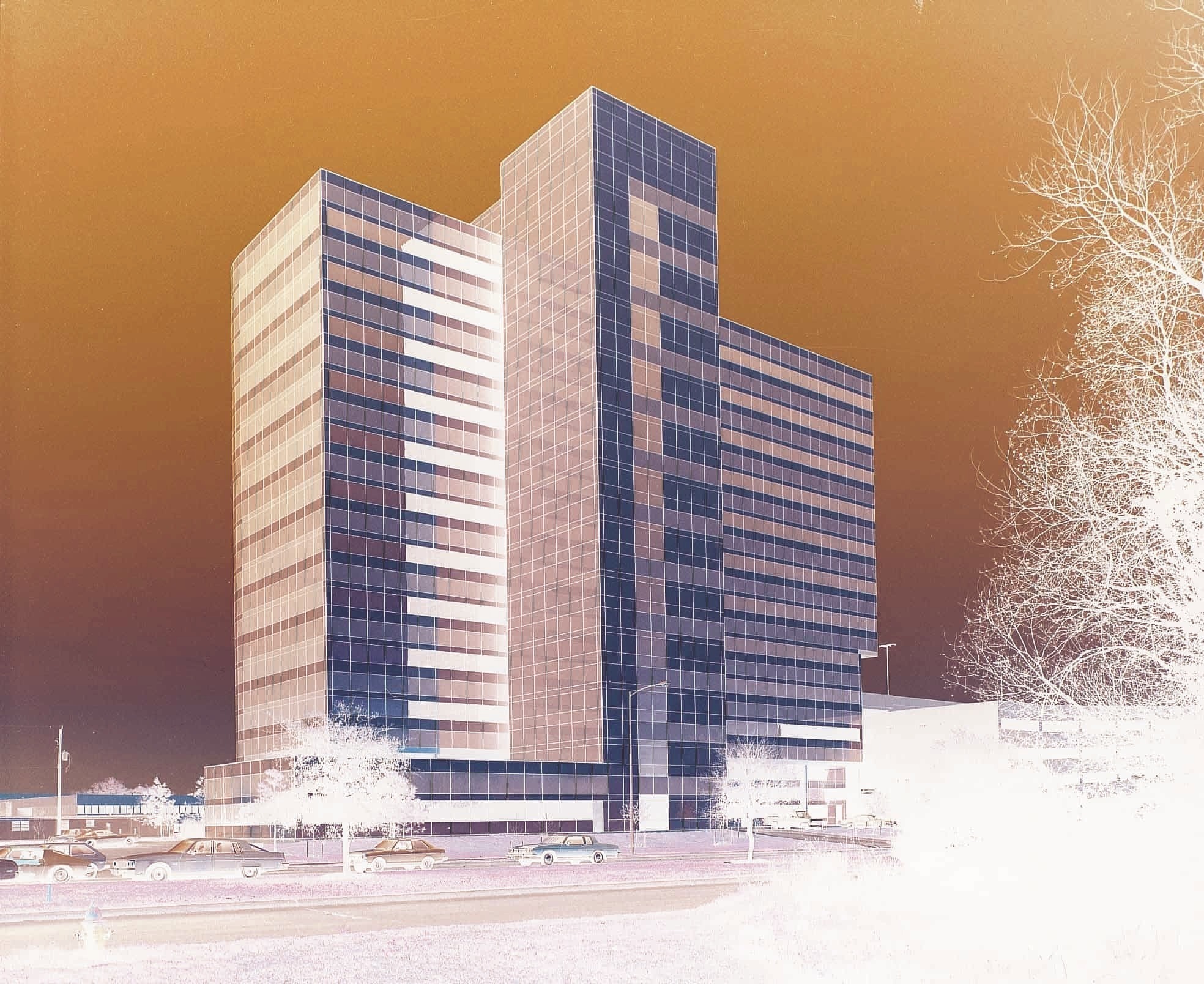
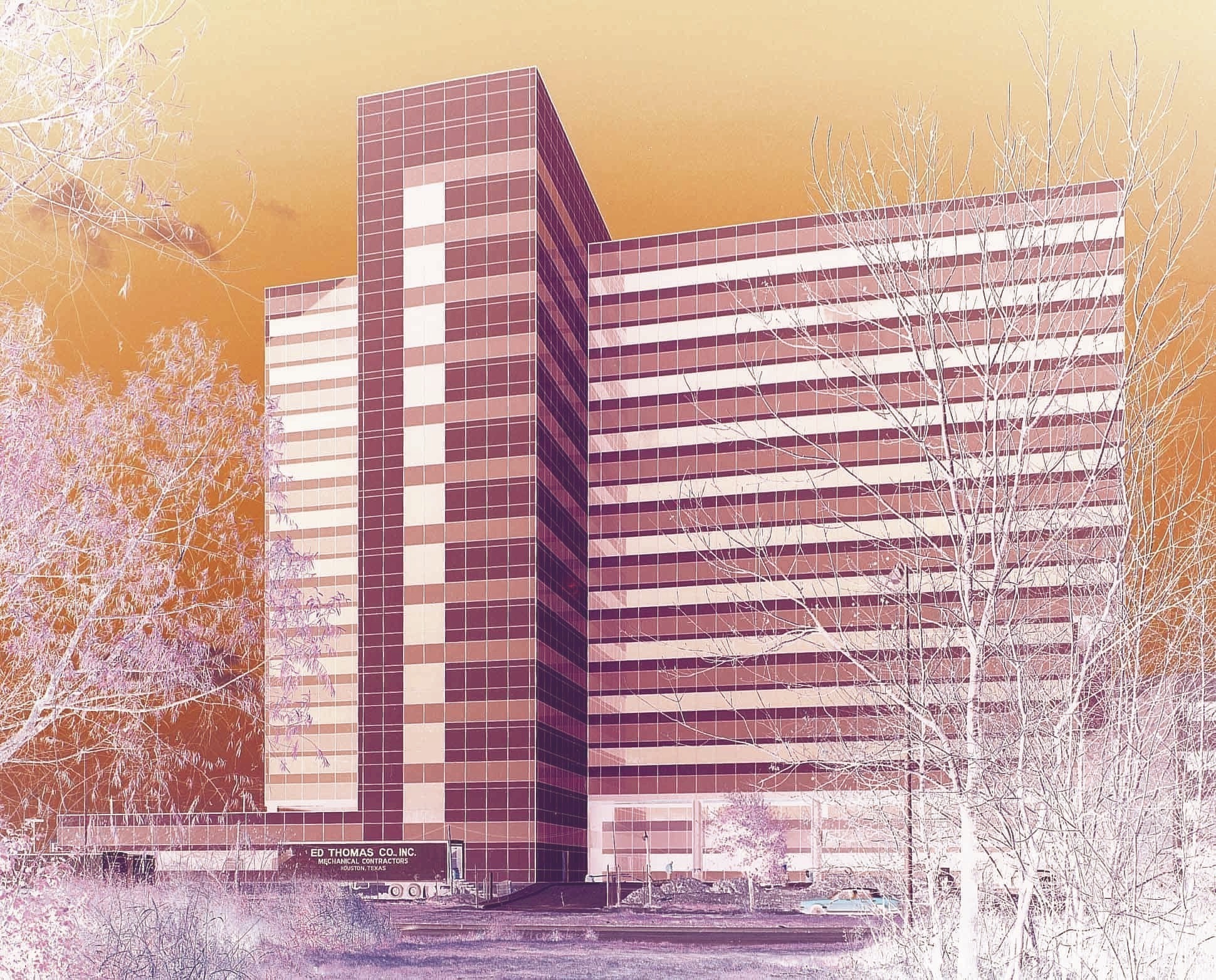
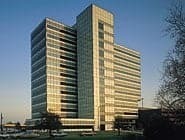
This 240,000-square-foot office building consists of a 12-story office building with a ground level, 1½-story banking floor and a structured parking garage extending from opposite ends of the structure.
The flexible, multi-tenant plan of the office block is achieved by separating the stair/elevator/service core tower from the 20,000-square-foot office floors and banking floor. The elevator lobby is accessible from either the bank or the parking garage through a two-story outdoor arcade and allows for expansive, two-way vistas from every floor.
To reconcile the different functions of the corner site building, the architects chose to sheathe its separately articulated volumes with a curtain wall that subtly changes pattern and color. The curtain wall’s three colors are coded according to the corresponding function inside: white spandrel glass, light gray glass representing the structure and dark gray vision glass at window height.
With energy conscious consideration, the color and pattern of the curtain wall varies with the building’s site orientation. The color banding also creates the illusion that the building stands taller than its 12 stories.
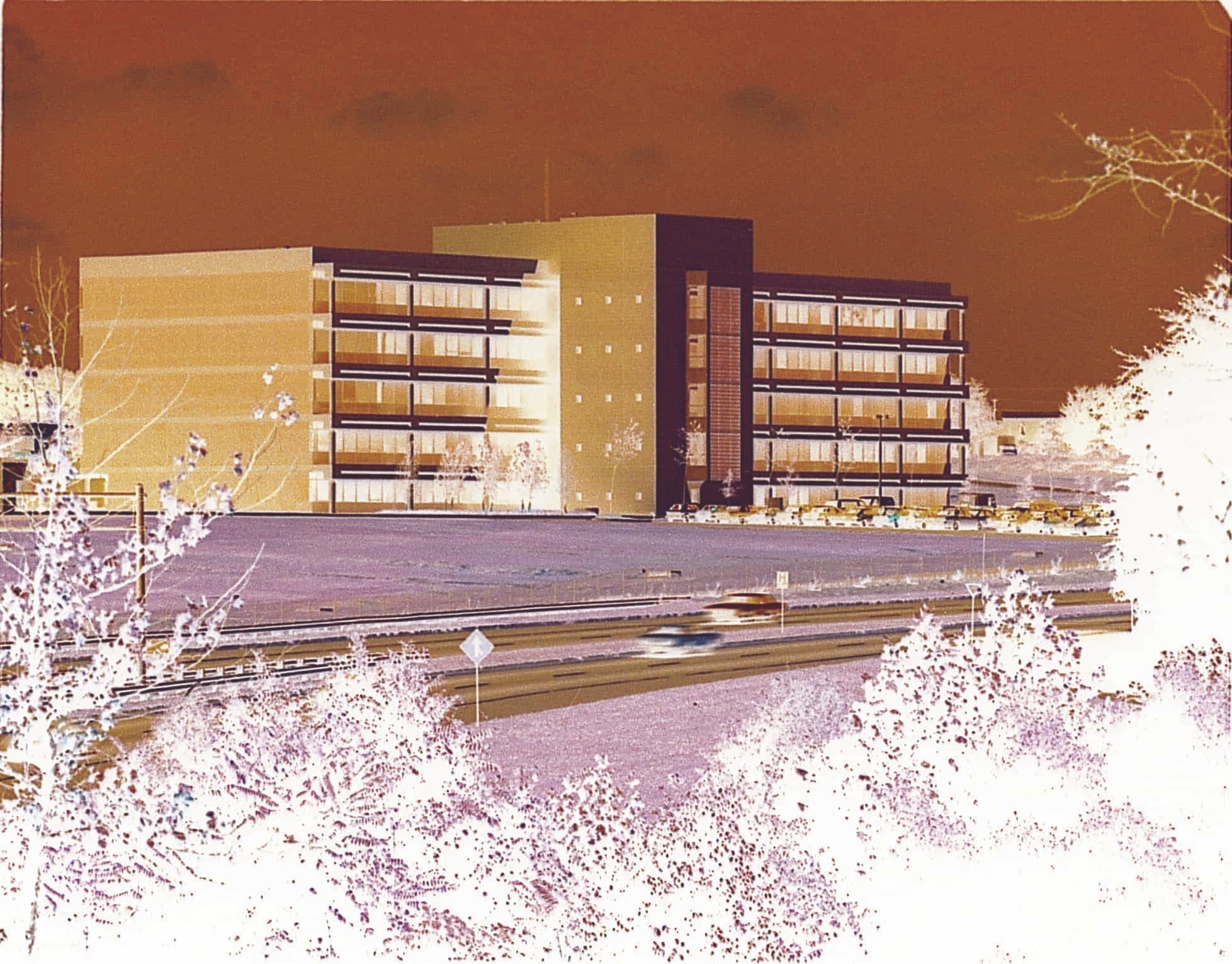
IBM Corporation
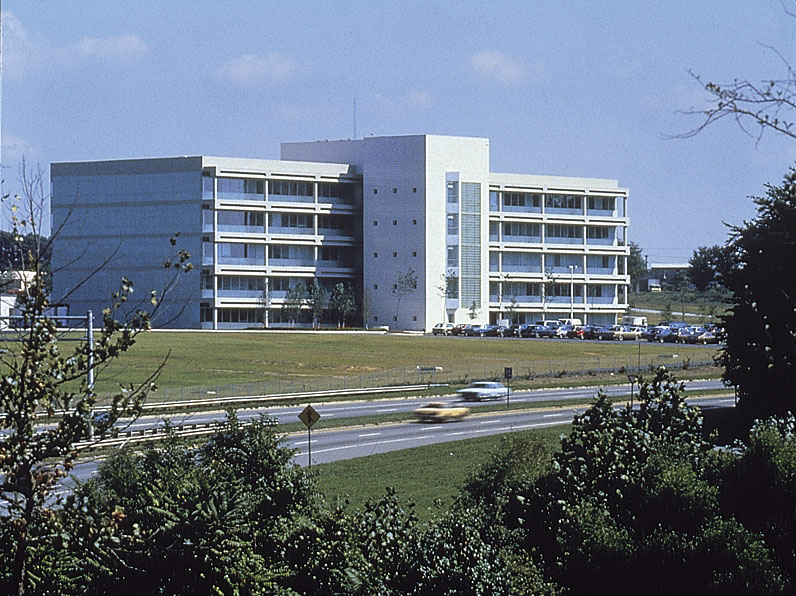
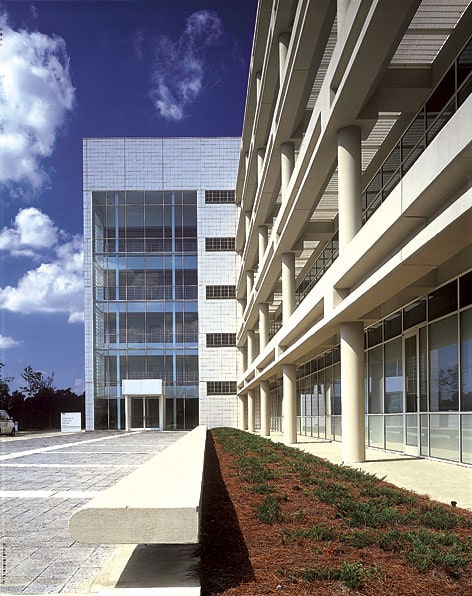
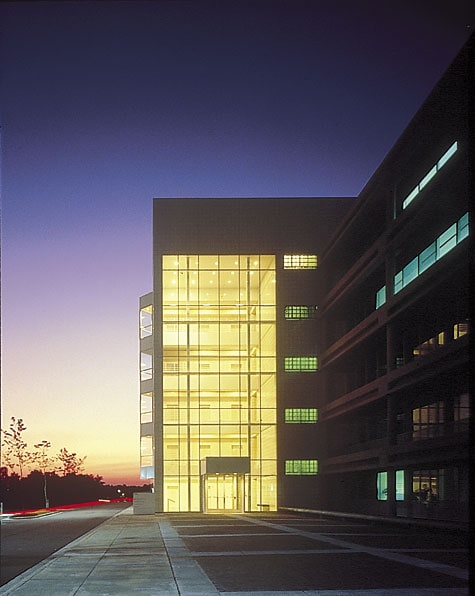
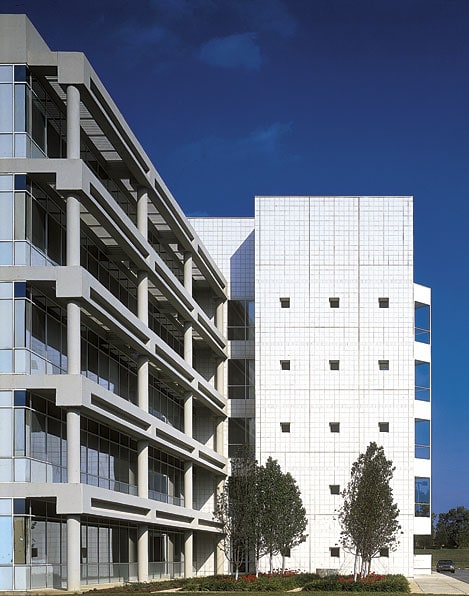
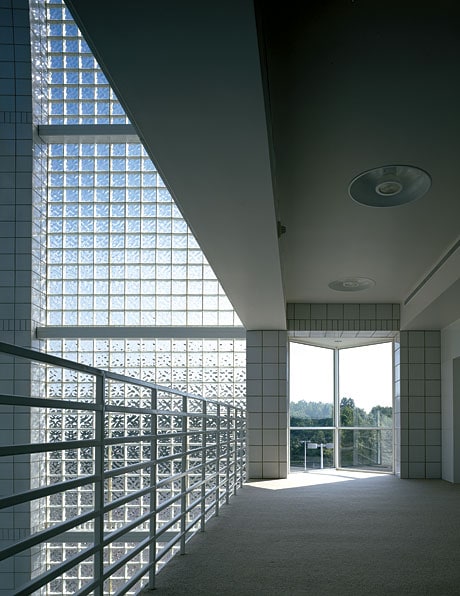
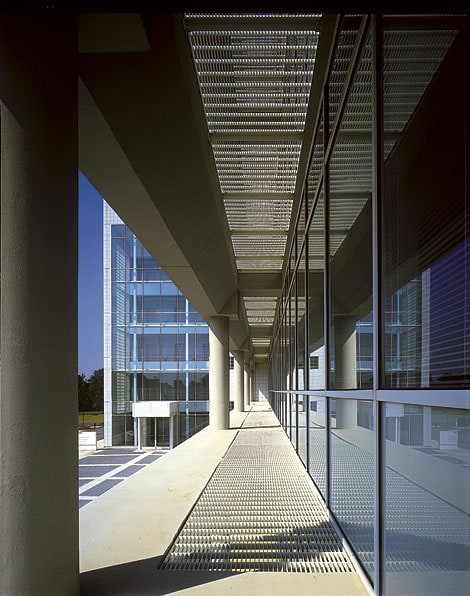
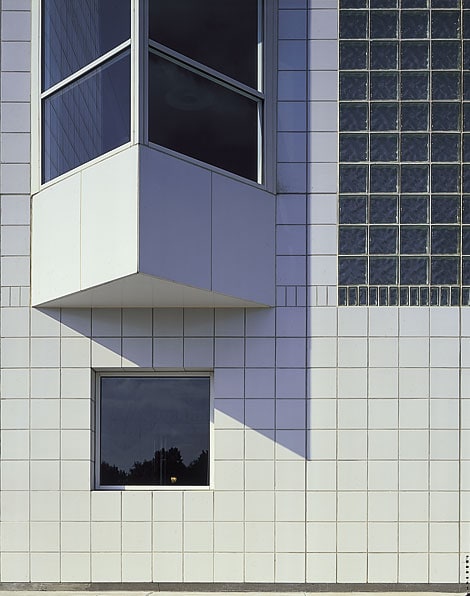
Office Building and Distribution Center Greensboro, NC Located next to a main freeway, this 150,000-square-foot office building offers five floors of flexible office space. Expansion of the original structure has been planned in two phases to the east and west. The building’s entrance is through a tower which contains a five-story atrium and the elevators. Access to each floor is from a balcony overlooking the atrium with views to downtown Greensboro. Continue BackIn contrast to the exposed concrete frame, the entrance tower is clad in white tile, glass block and white porcelain panels. The tower, which counterpoints the frame and object reading of the main structure, defines the entry plaza and the landscape between building and parking area.
Basic construction technology has been used to refresh a generic building type through innovative planning, structural clarity and the use of integrated sun screens that offer both environmental control and facade articulation.
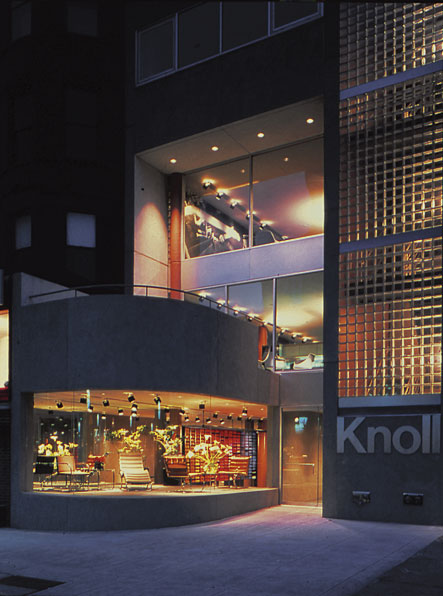
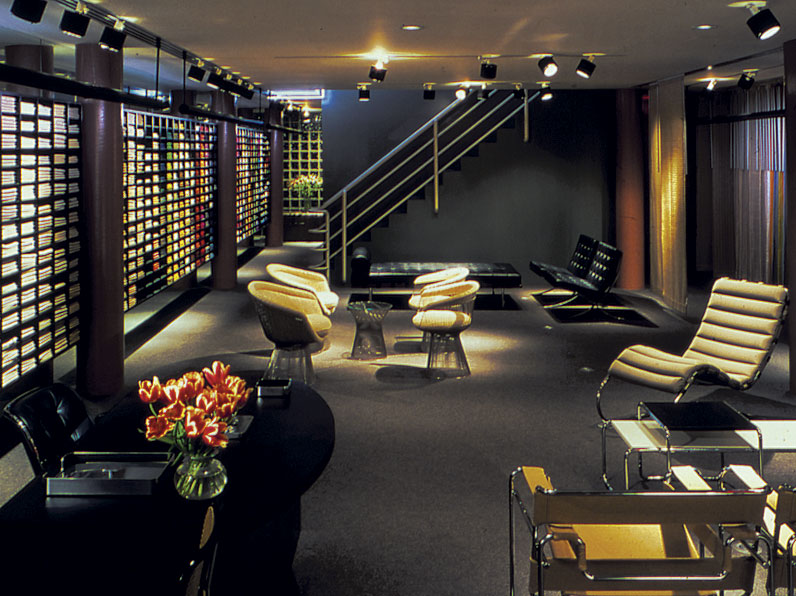
Knoll International
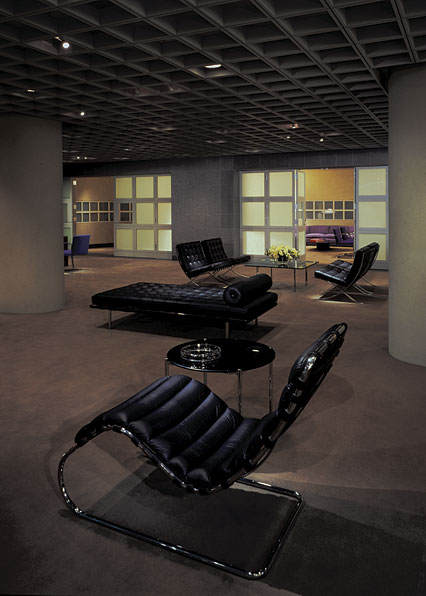
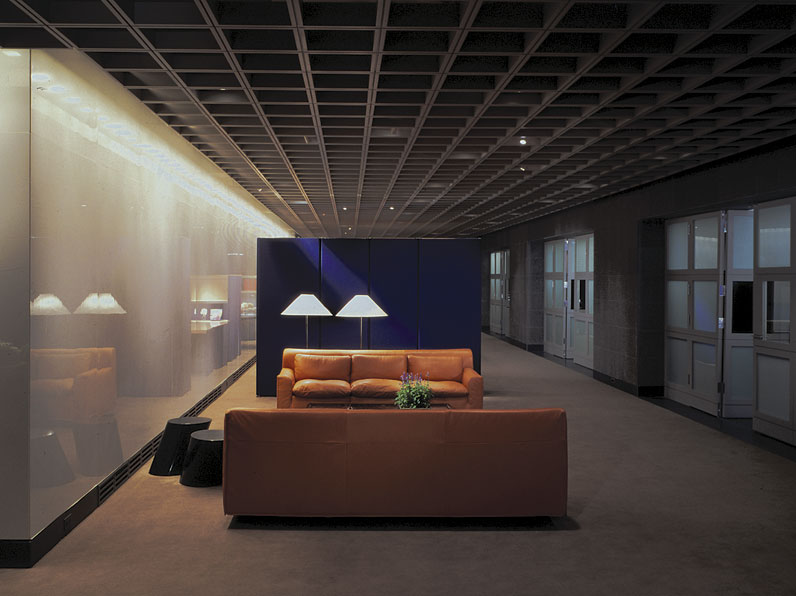
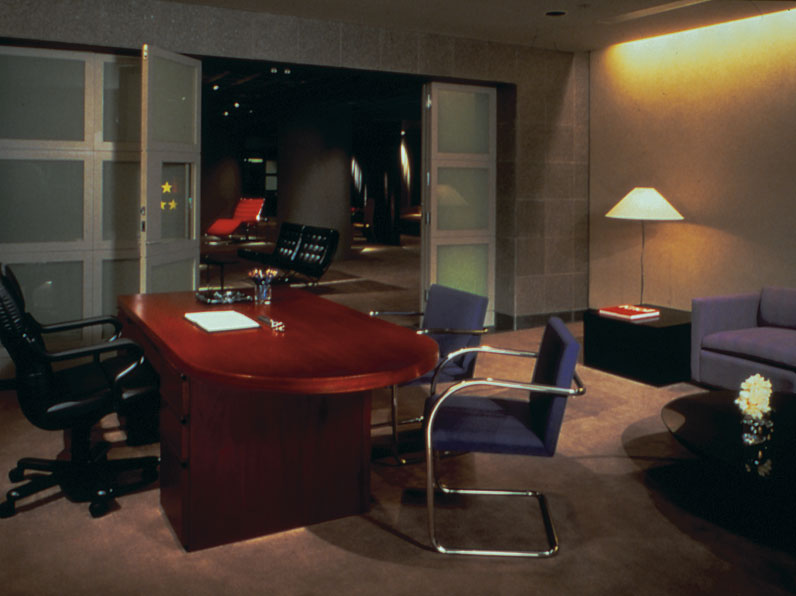
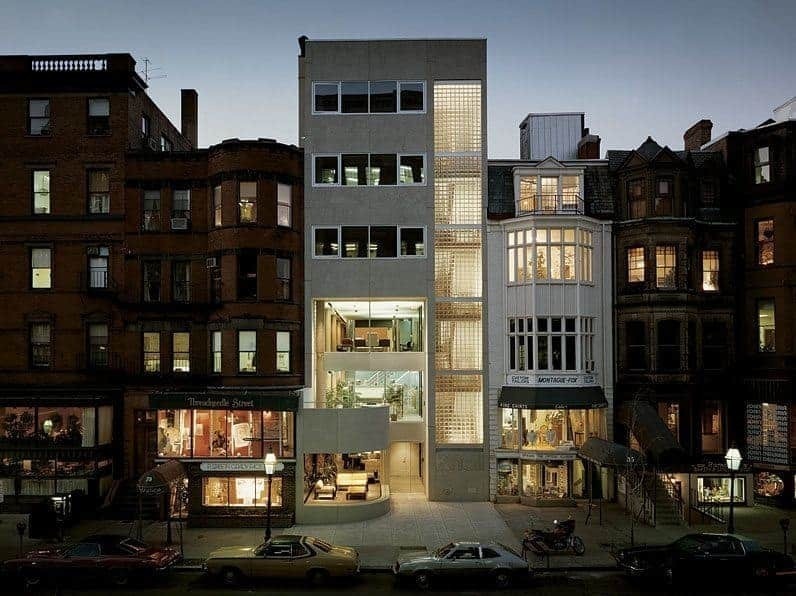
Showroom and Office Building Boston, MA Although Gwathmey Siegel Kaufman have often undertaken interior design commissions, this example of urban infill is rare in their work. The site is a particularly cherished shopping street in a city particularly sensitive to such matters: Newbury Street, just off the Public Garden, in Boston. It is a fine street of small shops and galleries, but its architecture is a mixture of sizes, styles and ages; certainly not all Newbury Street is of landmark quality. Continue Back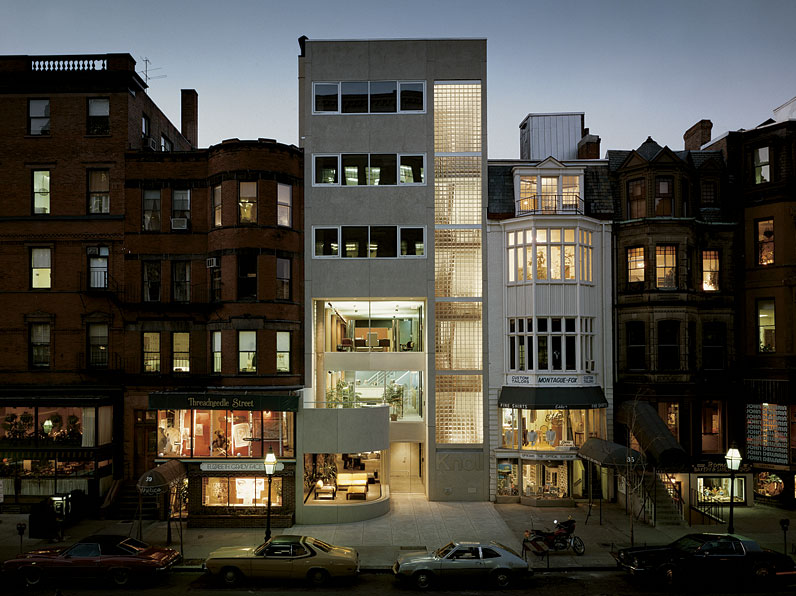
Light Street Mixed-Use
Baltimore, MD The Light Street site is two blocks away from Baltimore's Inner Harbor and adjacent to one of the city's finest historical buildings. The 40-story unrealized project includes structured above-grade parking for 660 cars, a hotel with 270 suites, and 410,000 square feet of office space. The facade materials are aluminum panels, frames and glass designed to be constructed as a unitized or stick system to facilitate competitive bidding. Continue BackThe planning module is 3’4″ and is used vertically and horizontally. Parking and hotel floor-to-floor heights require three modules (10’0″), and the office floor requires four modules (13’4″). The hotel suite room widths require four modules. Office planning is based on workstations of two and one half modules (8′ 4″): office type A requires three modules and office type B requires four modules.
Columns in the upper office portion of the building are located on forty-foot centers along the perimeter, which correspond to three hotel room widths. The columns increase in number as the structure is “taken down” through the hotel and garage perimeter walls.
Special conference and ballroom space is provided at the sky lobby floor located below the Hotel Atrium and serviced by Embassy Suites.
The building massing is contextually responsive while retaining a unique “signature” visual character, which will provide a bold iconographic landmark for Baltimore.
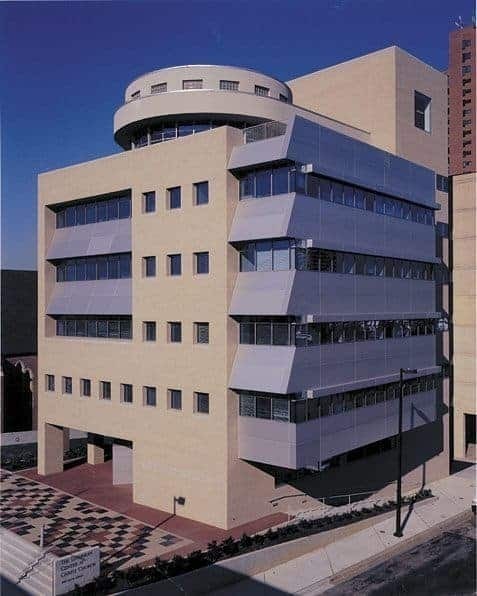
Lutheran Center
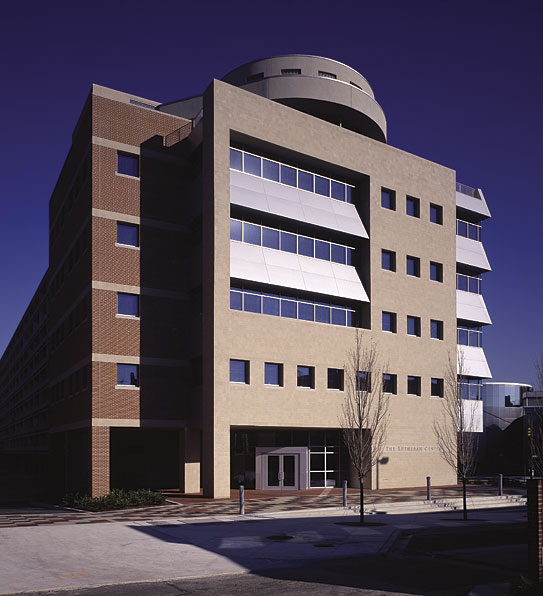
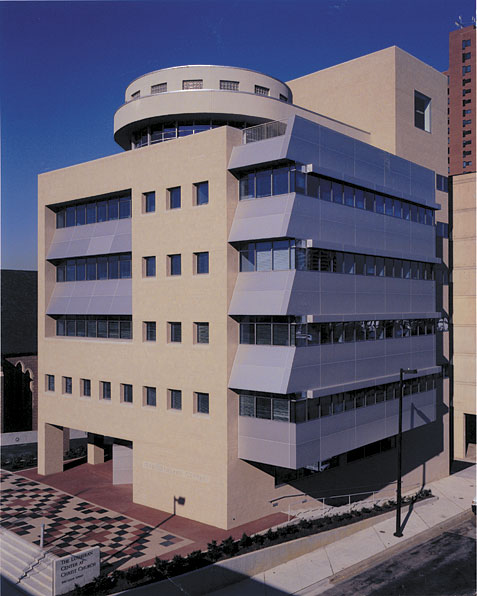
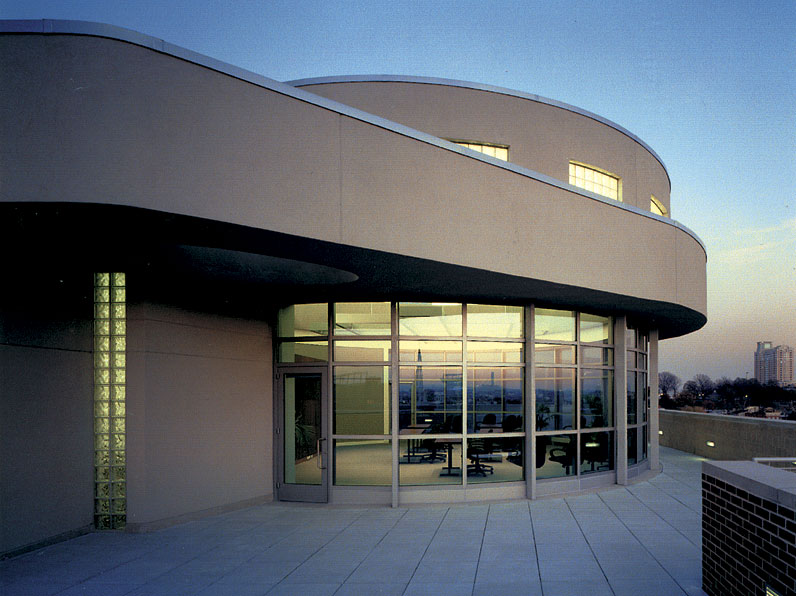
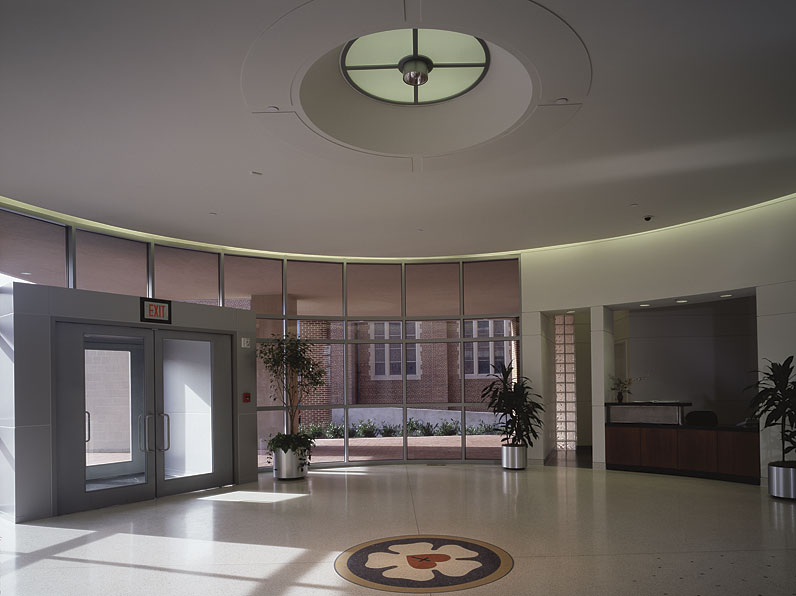
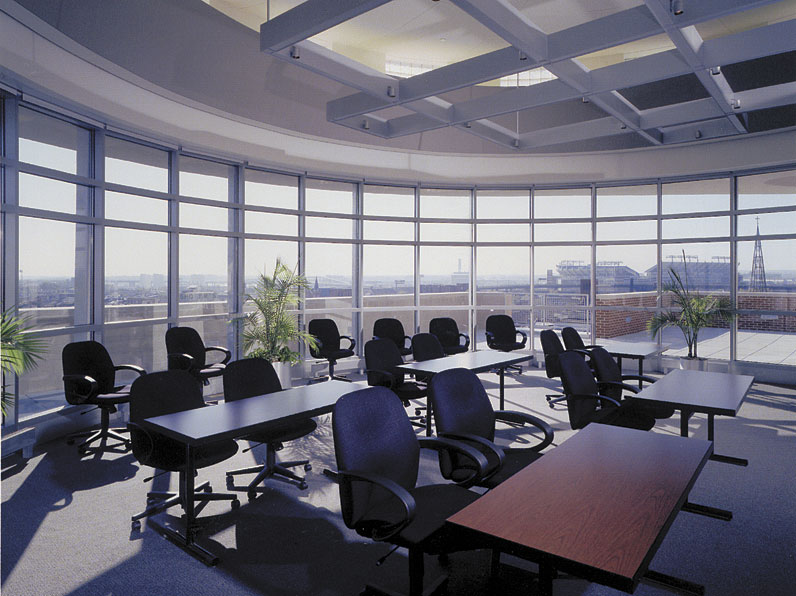
Office Building Baltimore, MD The Lutheran Center is a five-story, 50,000-square-foot headquarters building for the Lutheran World Relief and the Lutheran Immigration and Refugee Services. The structure completes the Baltimore inner harbor urban design plan and mediates multiple architectural scales and styles. The typical floor plates are designed as flexible loft space with state-of-the-art wire management capability. Continue BackThe south face is set back from the surrounding townhouses to provide a public plaza. To the west, views of the existing church are maintained and the introduction of brick masonry on the west wall completes the material connection. The roof terrace and penthouse create an urban silhouette and further reinforce the scale and articulation of the building’s components.
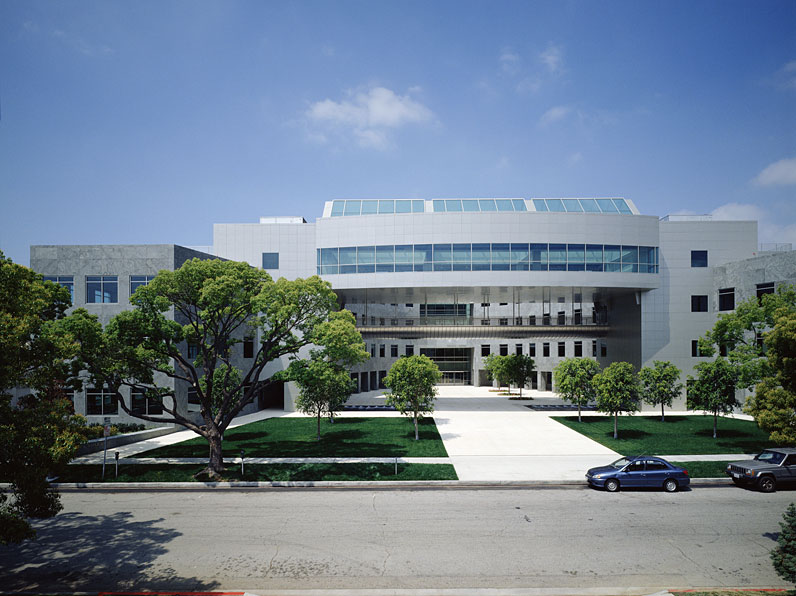
Maple Associates Ltd.
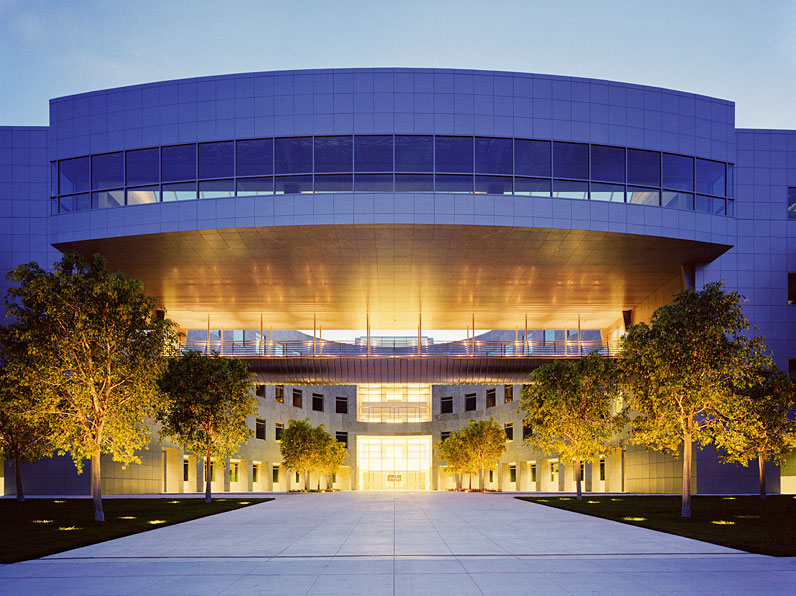
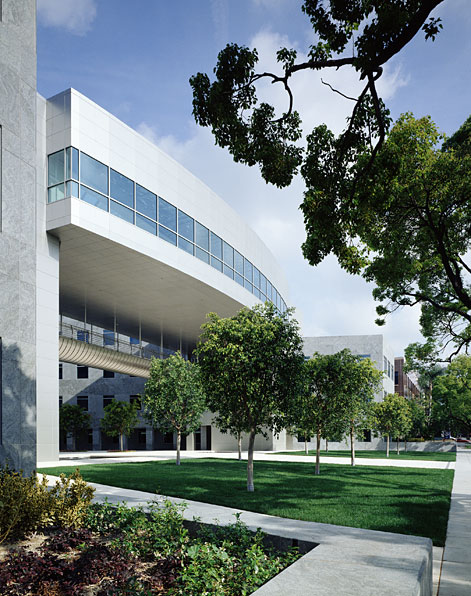
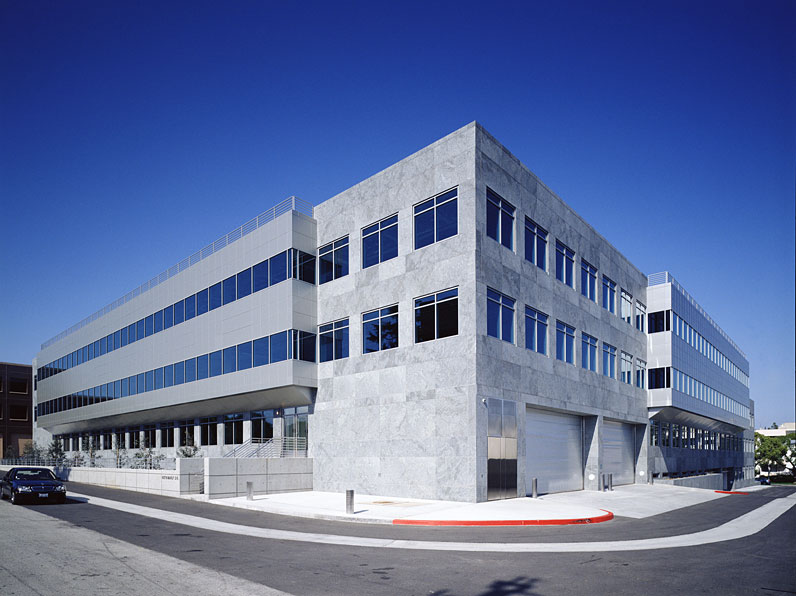
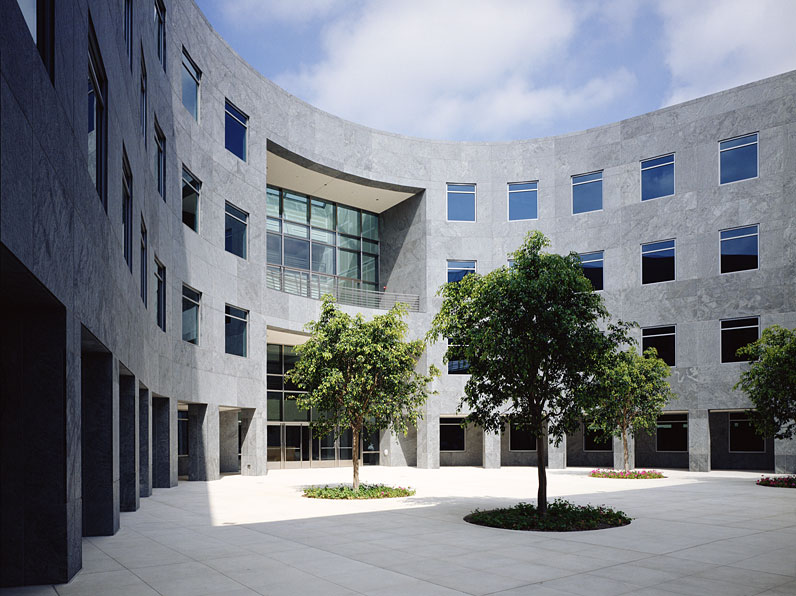
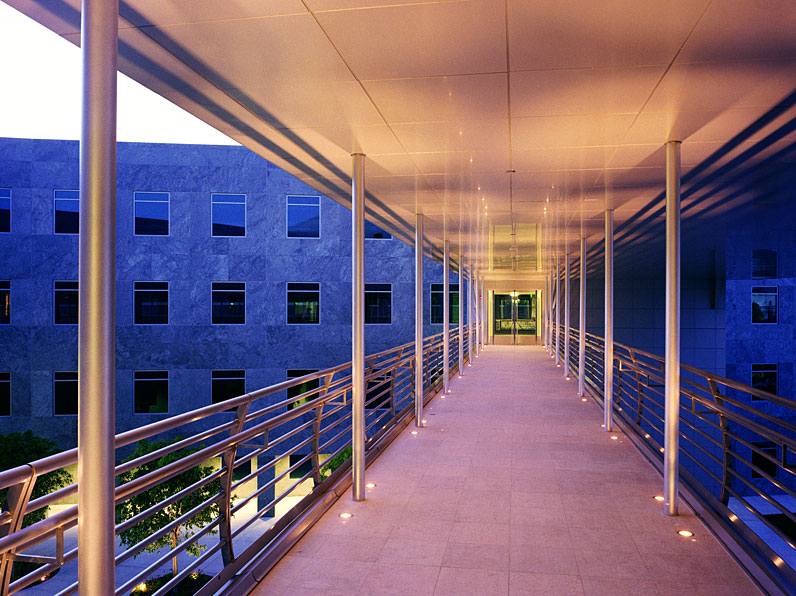
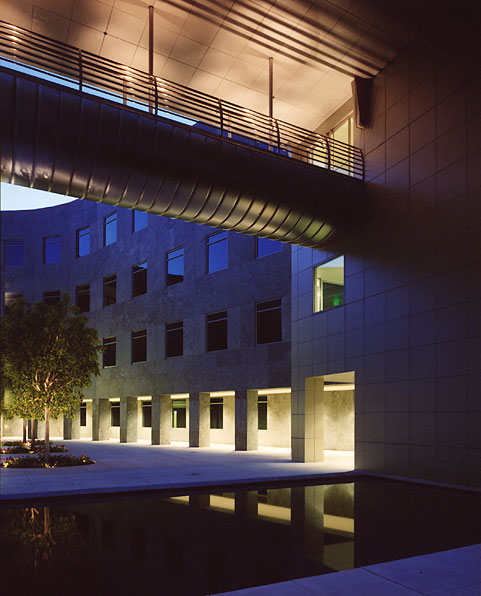
Office Building Beverly Hills, CA This four story, 160,000 net square foot office building, with a three level, 466 car below grade parking structure is located in the Beverly Hills industrial area, two blocks north of the David Geffen Foundation Building. The massing presents a multi-scaled composite building that is site specific and context sensitive, while simultaneously affording unique planning and tenant flexibility. Continue BackThe sequence is reinforced by a grid of sixteen ficus trees, initiated at the sidewalk and continuing as an allée through the courtyard, which is the central referential space in the building.
The materials, grey-green granite, blue-green glass, aluminum and titanium panels, further articulate the hierarchical massing, extending the formal object/frame strategy of the David Geffen Foundation Building.
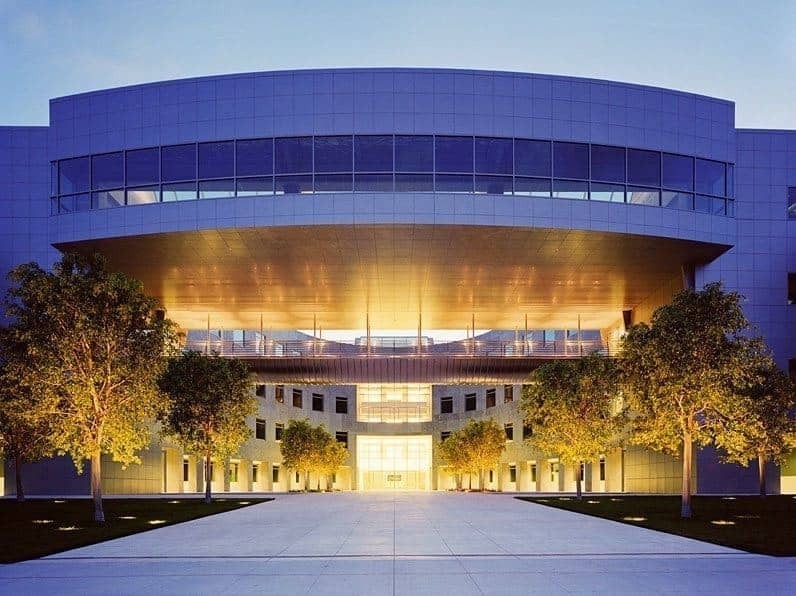
Maveron Tower
Seattle, WA
Office Building and Retail

Ninth Avenue and West 33rd Street
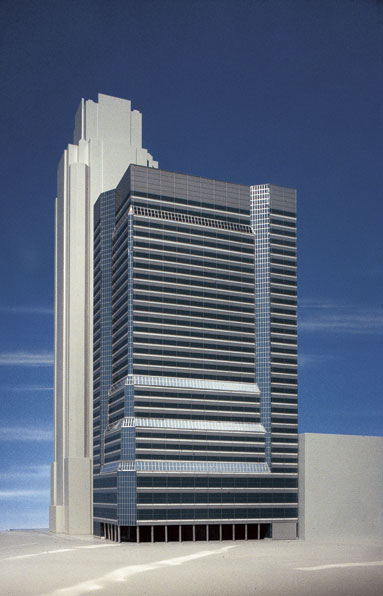
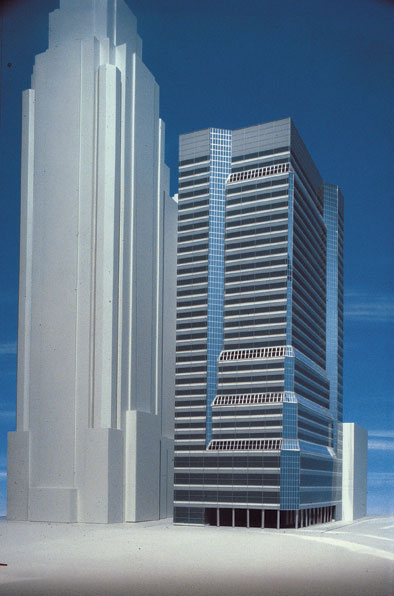
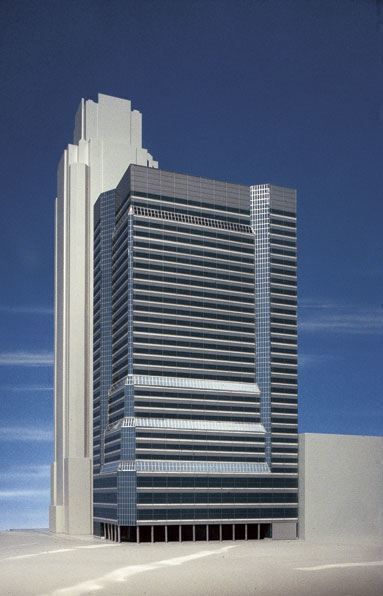
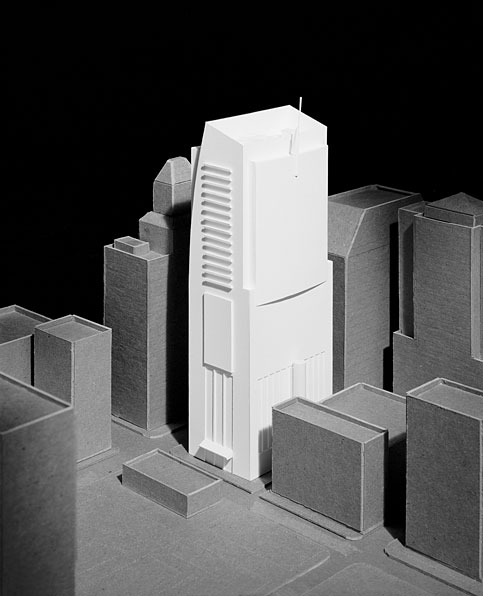
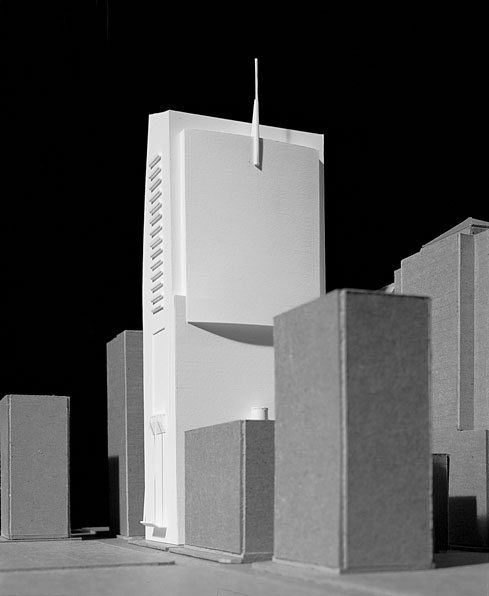
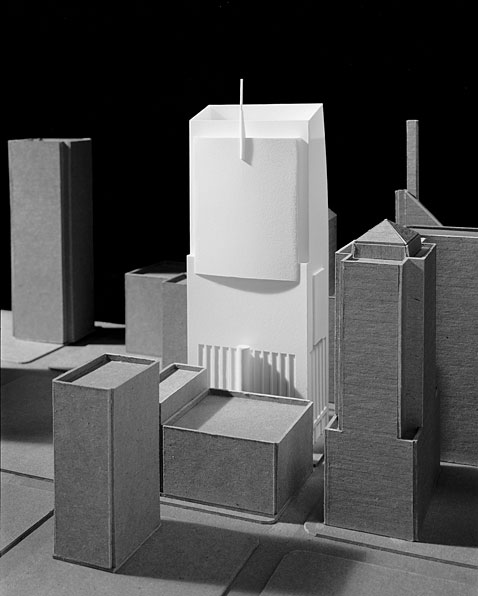
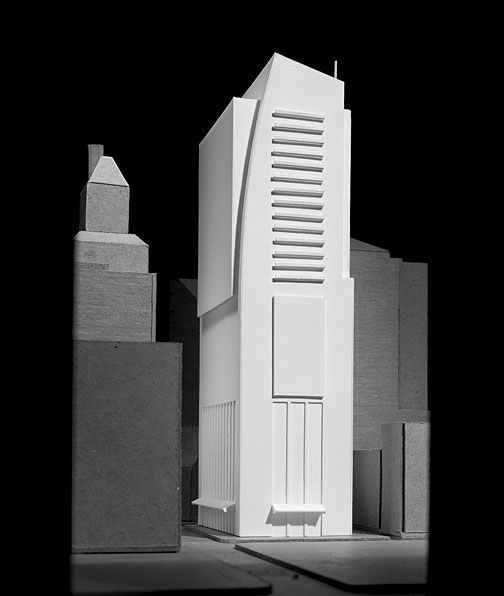
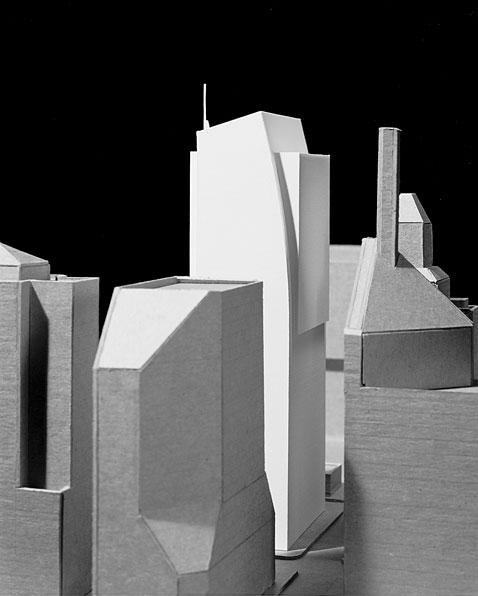
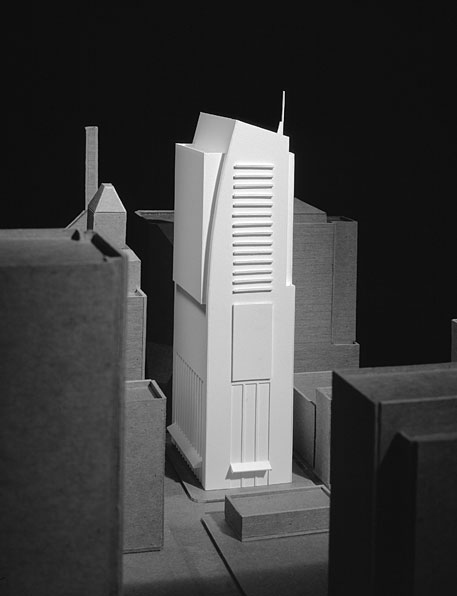
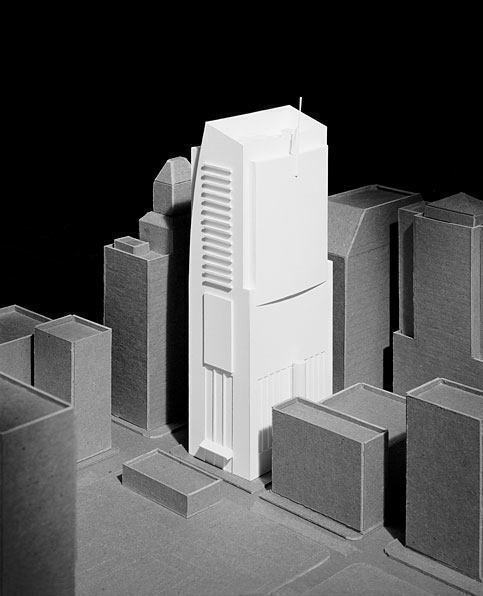
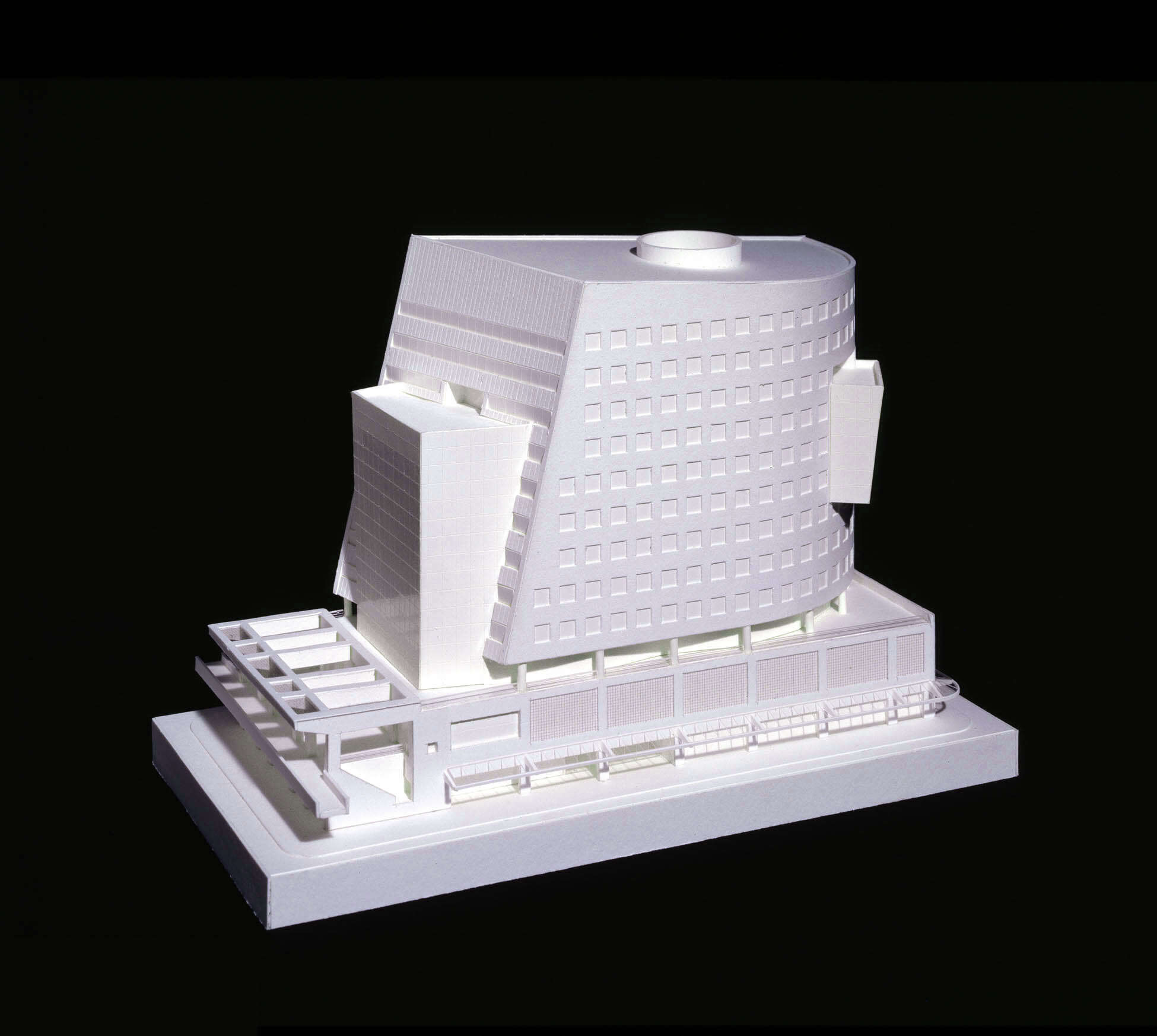
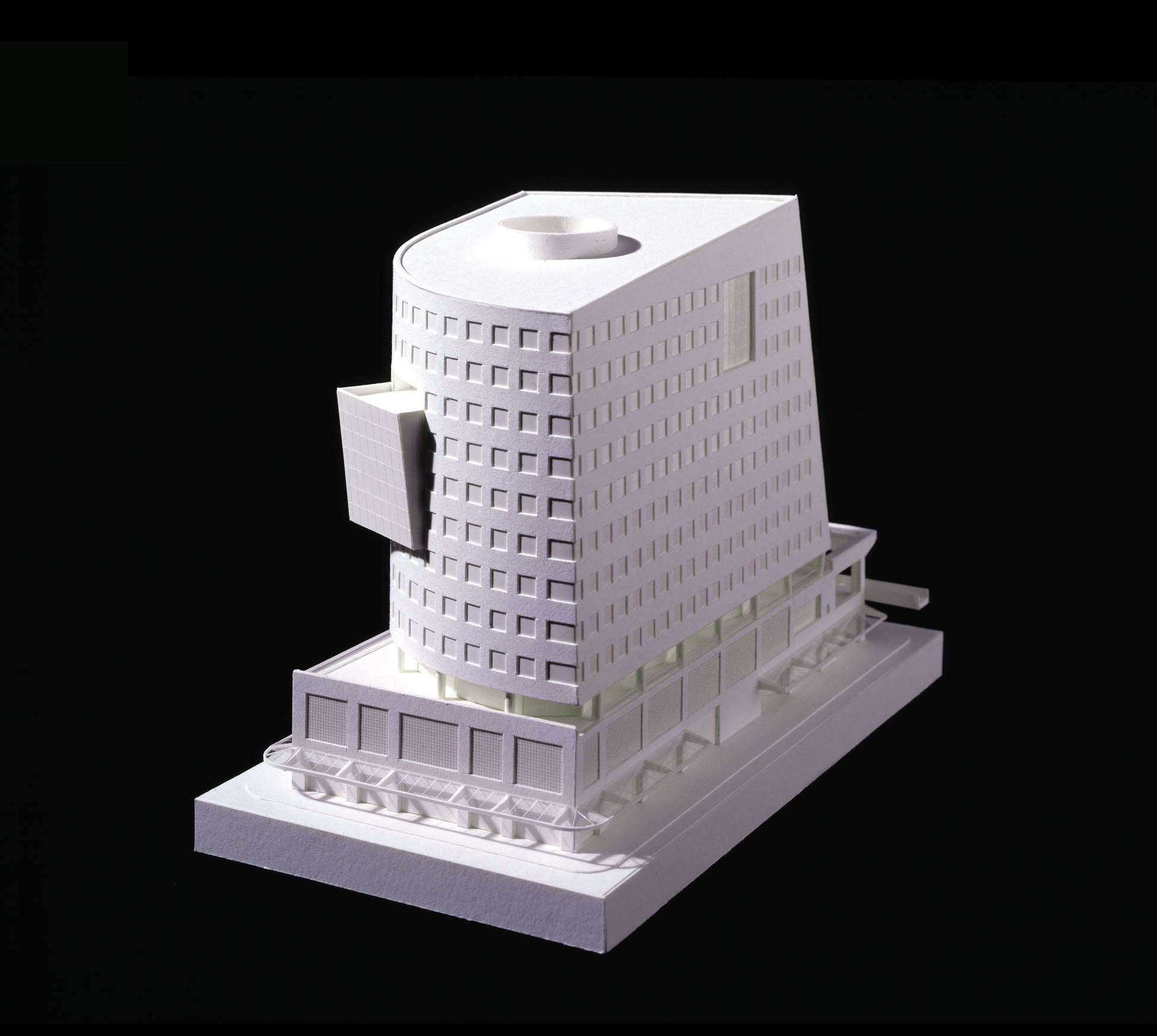
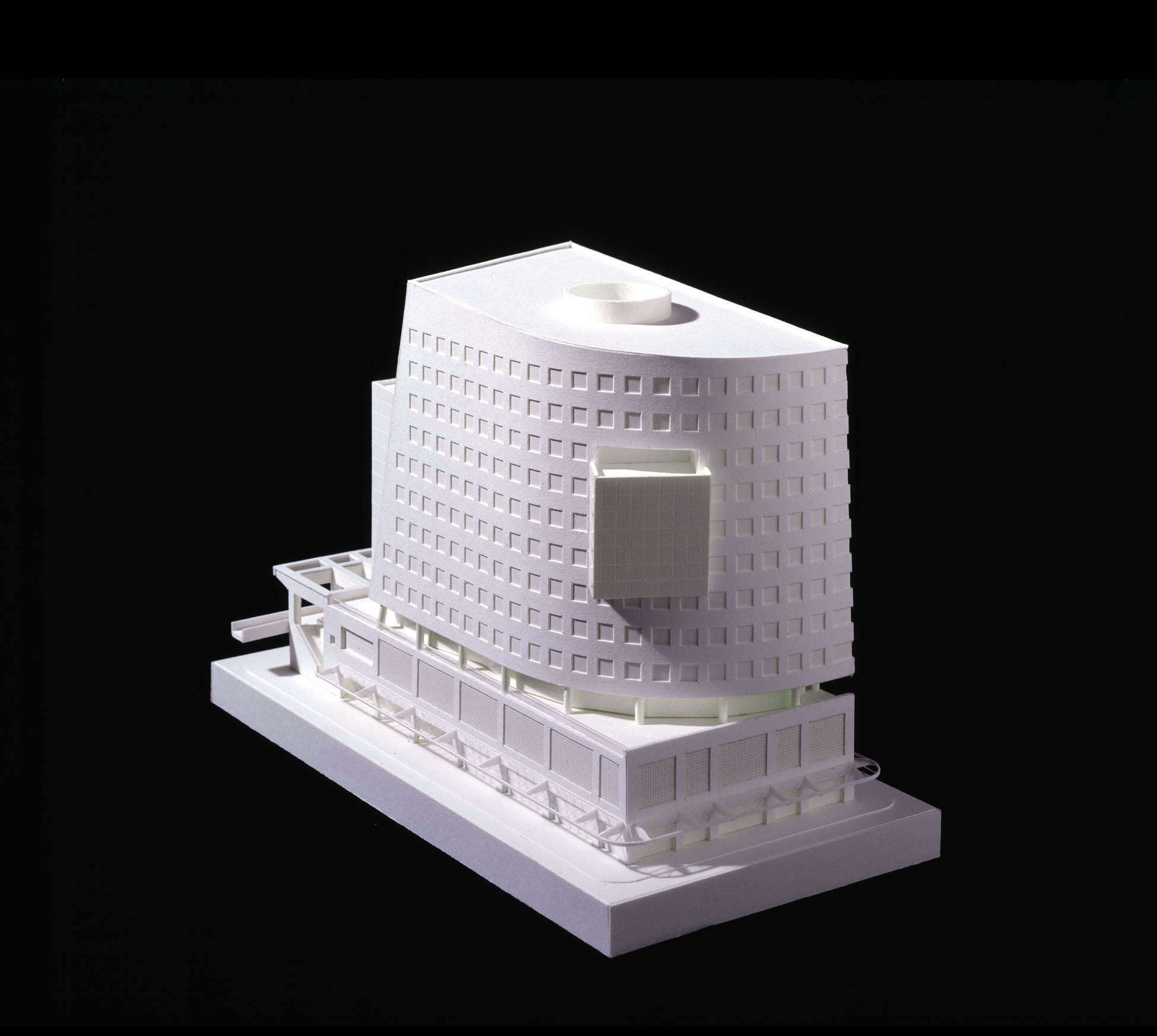
Office Tower New York, NY Situated one block west of New York City's Penn Station and developed by special permit over a railroad right of way, the design for this 31-story office tower was completed in 1990. With the development of substantial fiber optic internet cabling along Ninth Avenue, it is currently being reconsidered as a prime opportunity for leasing to high tech tenants. Continue BackThe structure is clad primarily in glass and steps back progressively from the corner of Ninth Avenue and West 33rd Street with a clear base, shaft and top composition. This strategy creates a signature public presence and brings increased daylight to the landscaped entry plaza below, while increasing the number of corner offices within the tower.
At street level a stone paving pattern composes the plaza into a grid with trees and benches which in turn surround a retail arcade. The development of this generous public space transforms the railroad easement into an extension of the 34th Street Business Improvement District and anticipates the increased pedestrian activity that will arrive with the rejuvenated Penn Station on its new site immediately across Ninth Avenue.