University of Washington
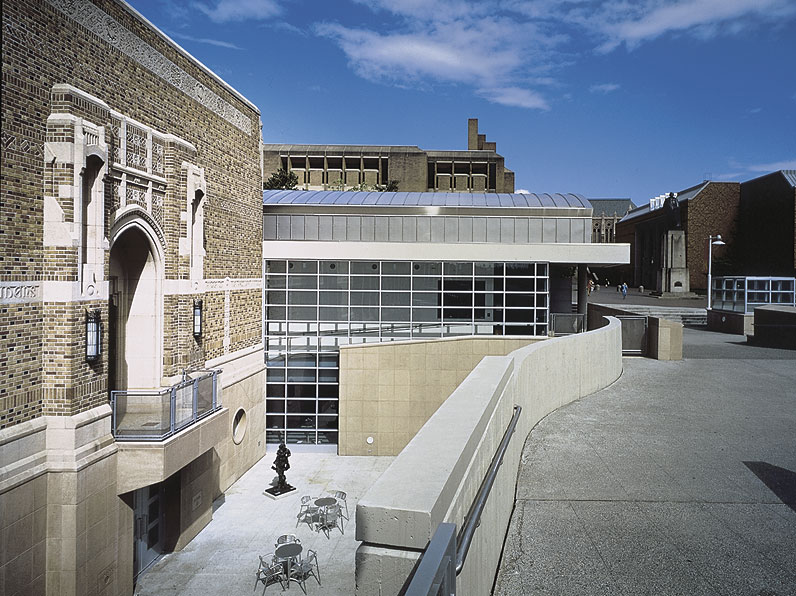
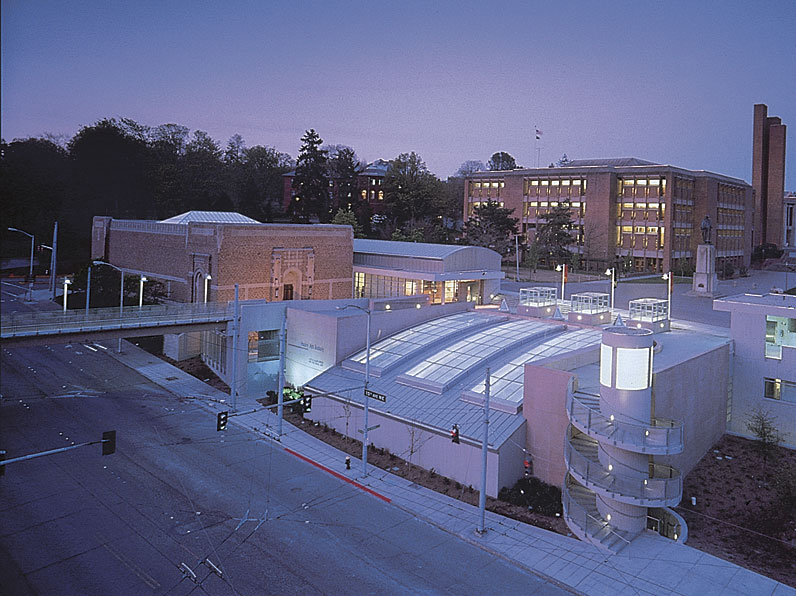
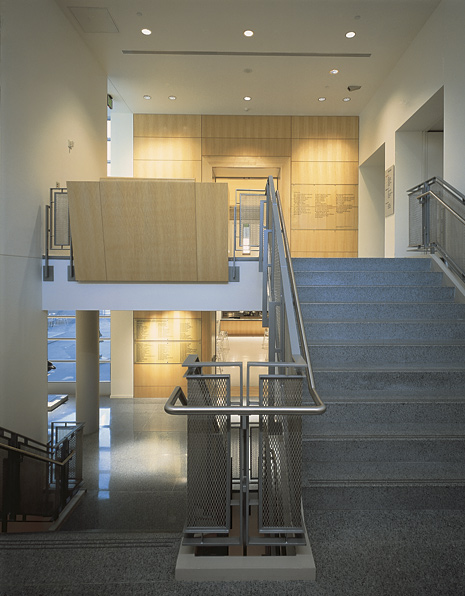
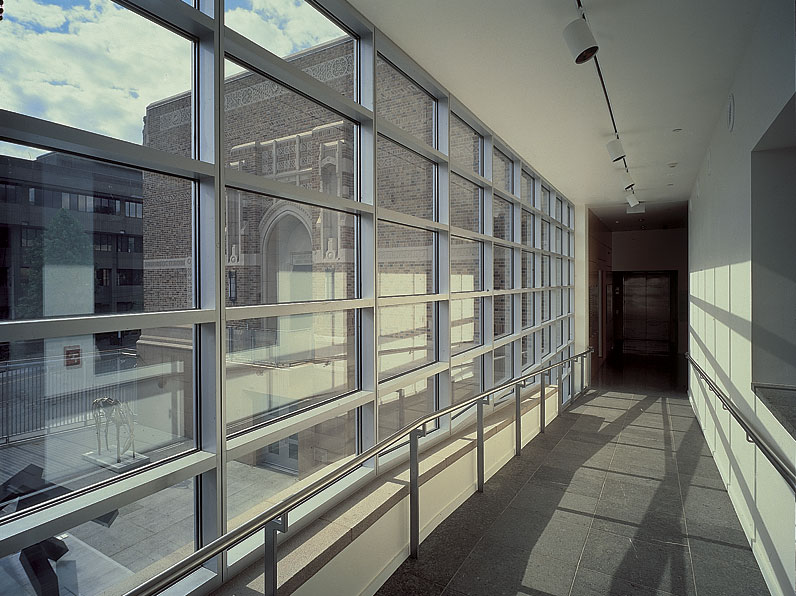
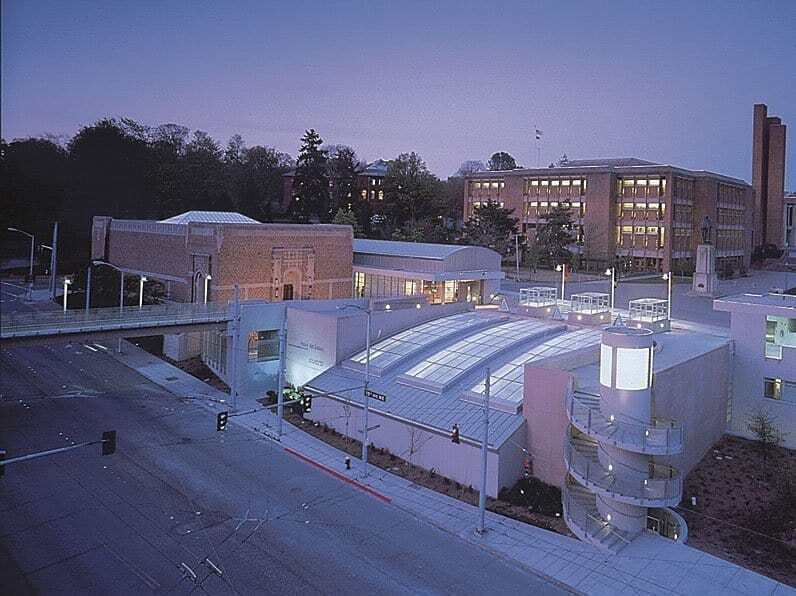
Henry Art Gallery Seattle, WA The contextual challenges posed by the renovation of and addition to the Henry Art Gallery not only afforded the opportunity to recast the 1926 Carl F. Gould building, a 10,000 square foot, two-story masonry structure, as the primary element of the west campus entry to the University of Washington, but in fact propelled the design and helped to define the program. Continue BackBut perhaps most important, the intervention visually separates the museum and addition from adjacent structures, affording a legitimate transition, a new sense of place, an expectant and enriched entry sequence and an integration of site, circulation and context.
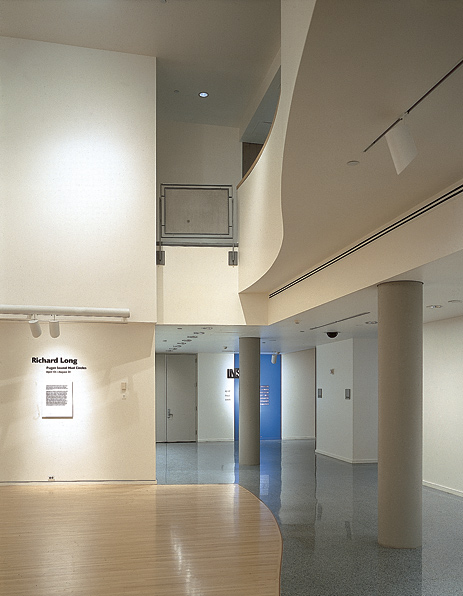
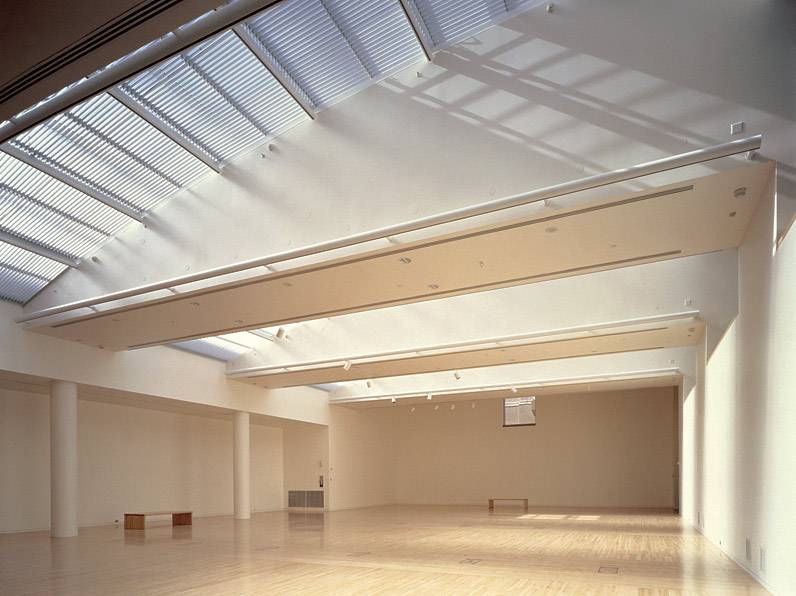
In counterpoint to the original Henry, the new main gallery constitutes a memorable form to be re-experienced from within. The addition also acts as a carving away of a solid, revealing fragments that interact with the original Henry to re-site it as the asymmetrical—though primary—object in a new contextual frame, unifying the multiple architectural and site issues at the end of Campus Parkway.
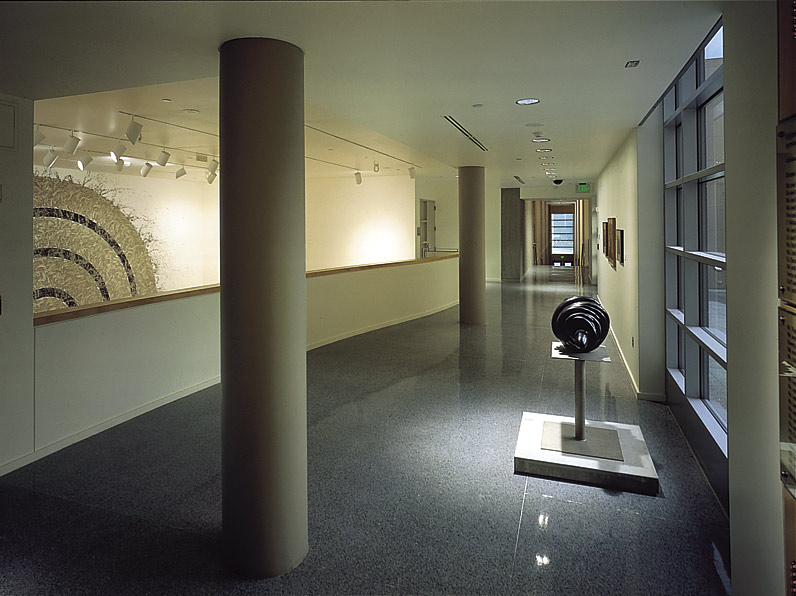
Finally, the intervention is an architectural collage that unifies disparate elements in both contrapuntal and asymmetrical variations. The variations reestablish the primary site axis to Suzzallo Library, reconcile the vertical transition from the street to the plaza level and integrate the original Henry facade both with the new sculpture court and gallery entry and with the campus entry. As fragments, the forms imply but do not directly reveal their spaces. Thus anticipation, sequential revelation and memory become as crucial to the experience as the physical manifestation of the complex.
Associate Architect: Loschky Marquardt & Nesholm
Richard Andrews, Director
“[The] inversion of the expected order—descending to the largest, brightest, and most dramatic volume in the building— is the most compelling aspect of the design. To find this generously daylit and high-ceilinged space in the deepest reaches of the project is a revelation. Gwathmey’s dictum that one should experience a museum as a sequence of varied spaces, a kind of unfolding and revealing of artworks with a continuous sense of surprise, has been executed brilliantly.”
Justin Henderson in “Museum Architecture”, 1998
Windsor Park
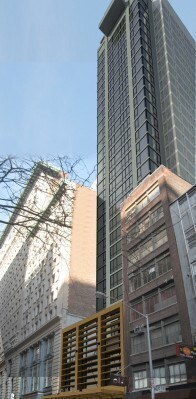
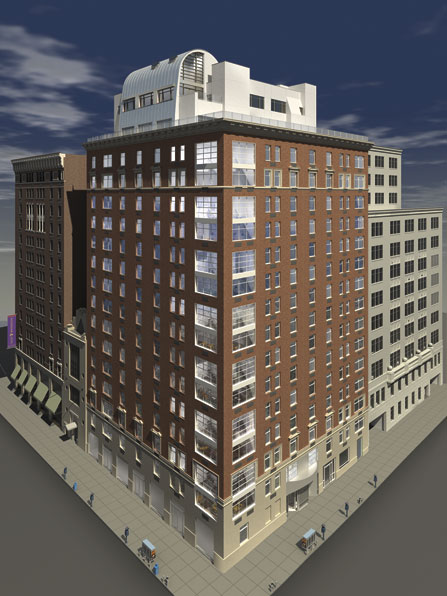
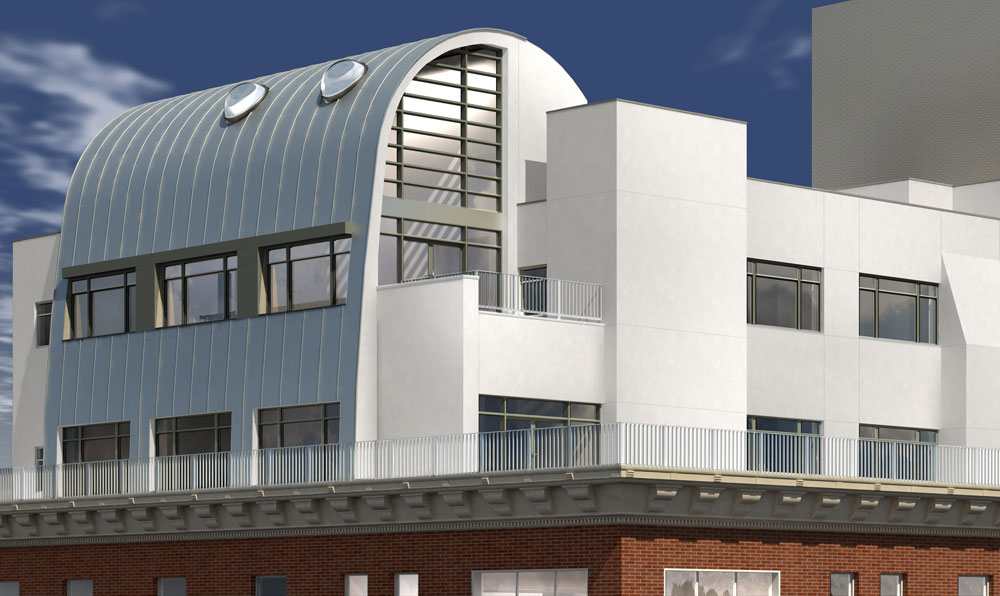
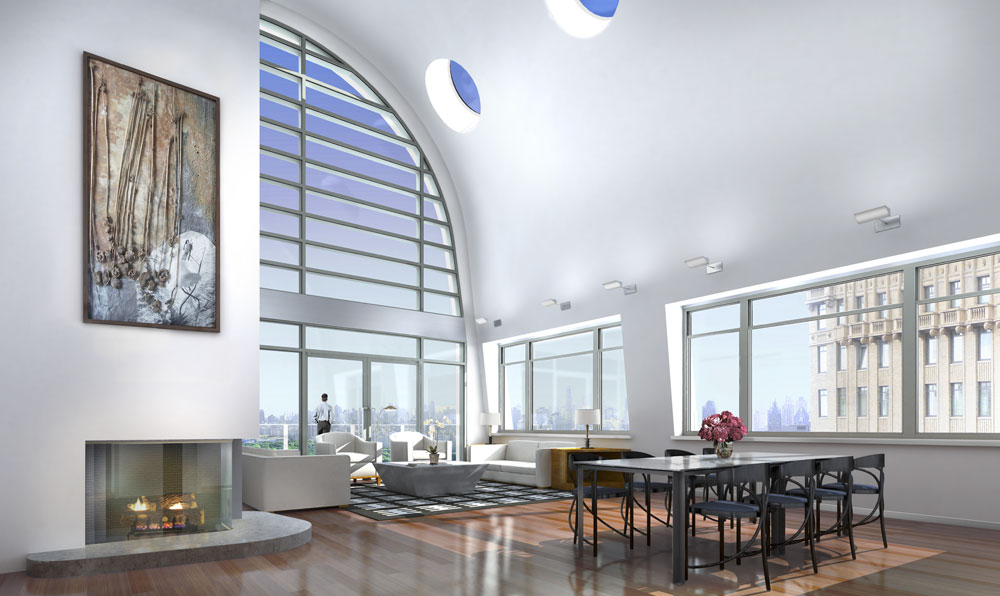
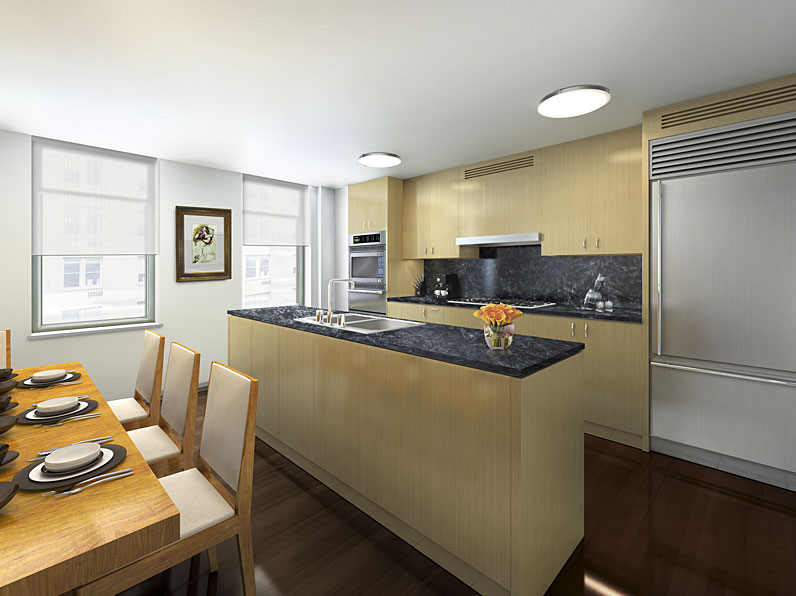
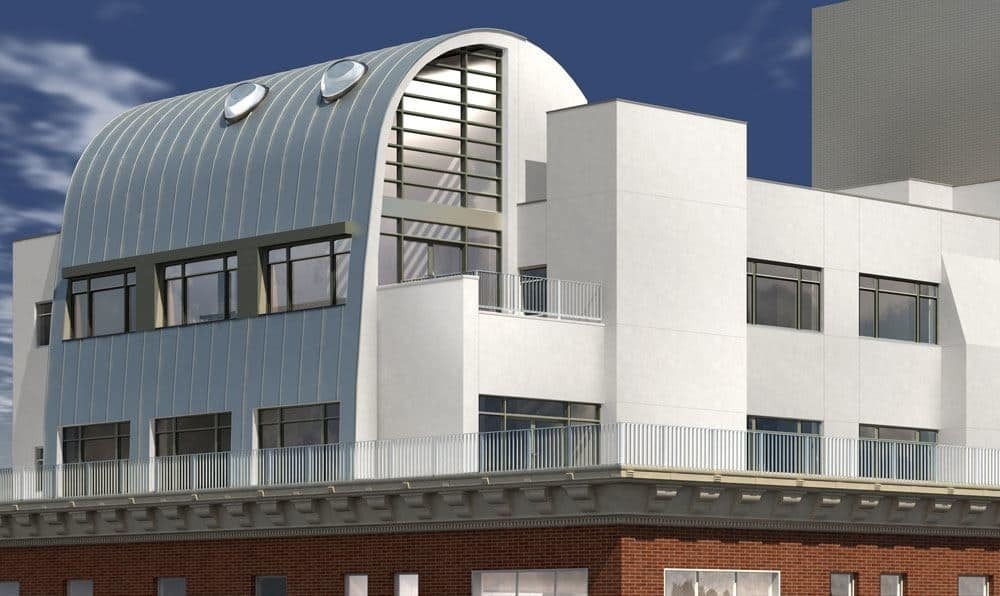
Residential Condominiums New York, NY The existing 15-story Windsor Hotel at the intersection of West 58th Street and Avenue of the Americas was renovated and converted into private residences. The project consists of 16 floors of private residences, including two new penthouse levels at the roof and seven, three bedroom duplex apartments at the northeast corner of the building with views to Central Park. Continue BackExterior modifications to the existing building include the addition of a double height window openings at the intersection of 58th Street and Avenue of the Americas.
Yale Arts Complex
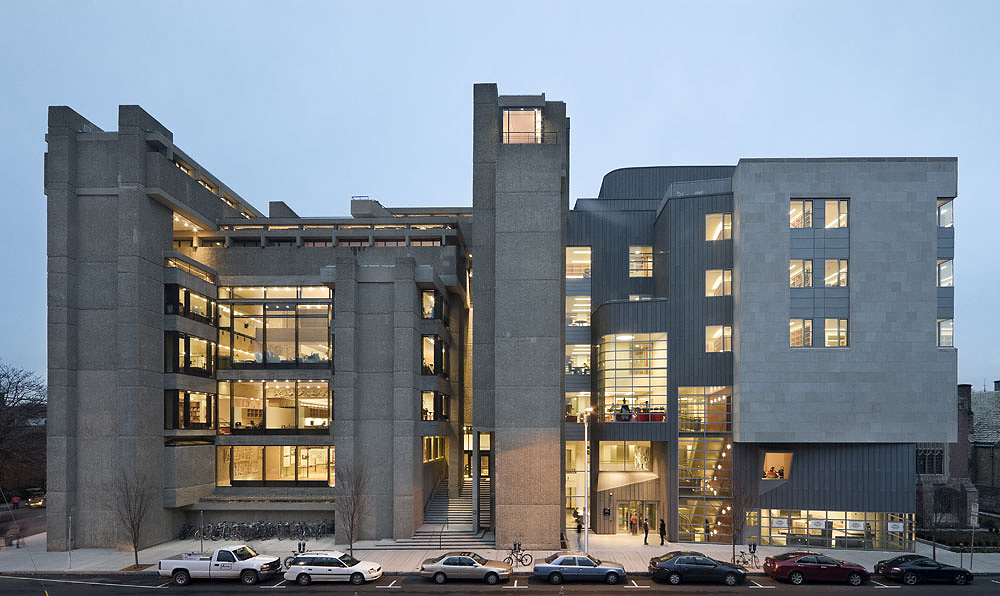
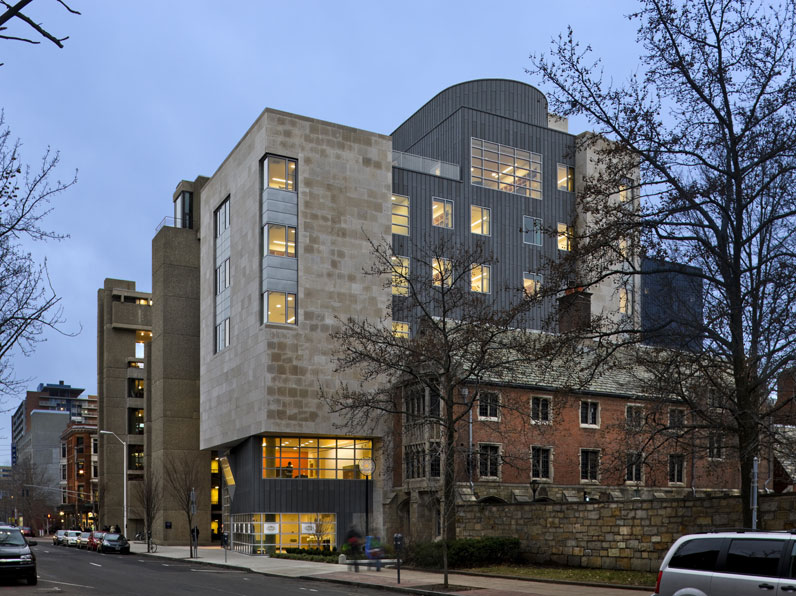
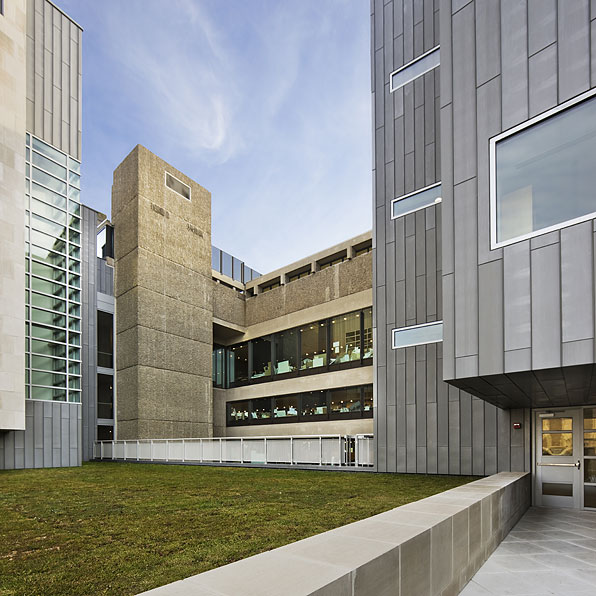
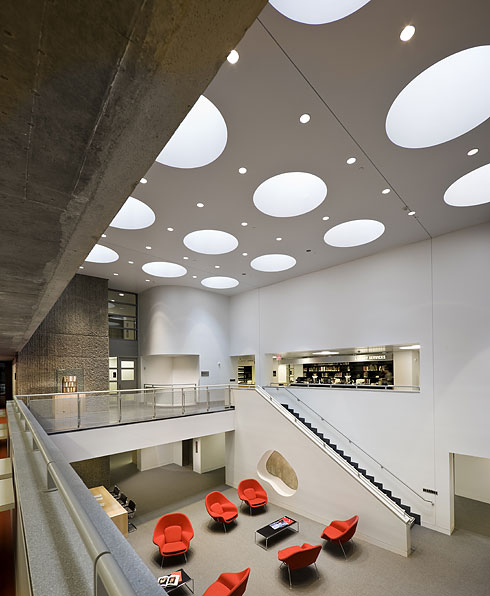
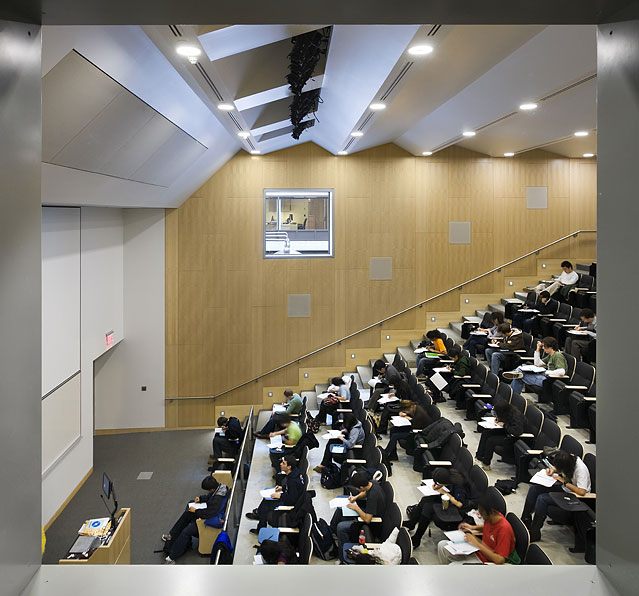
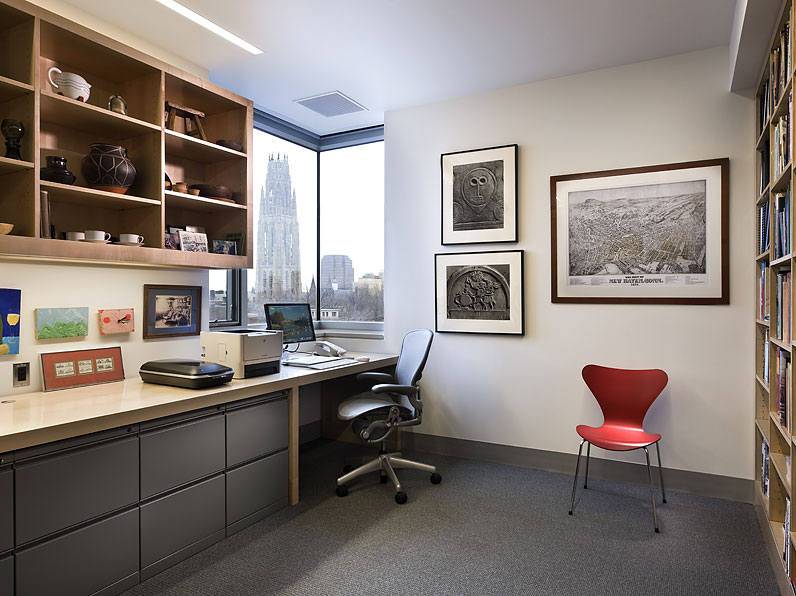
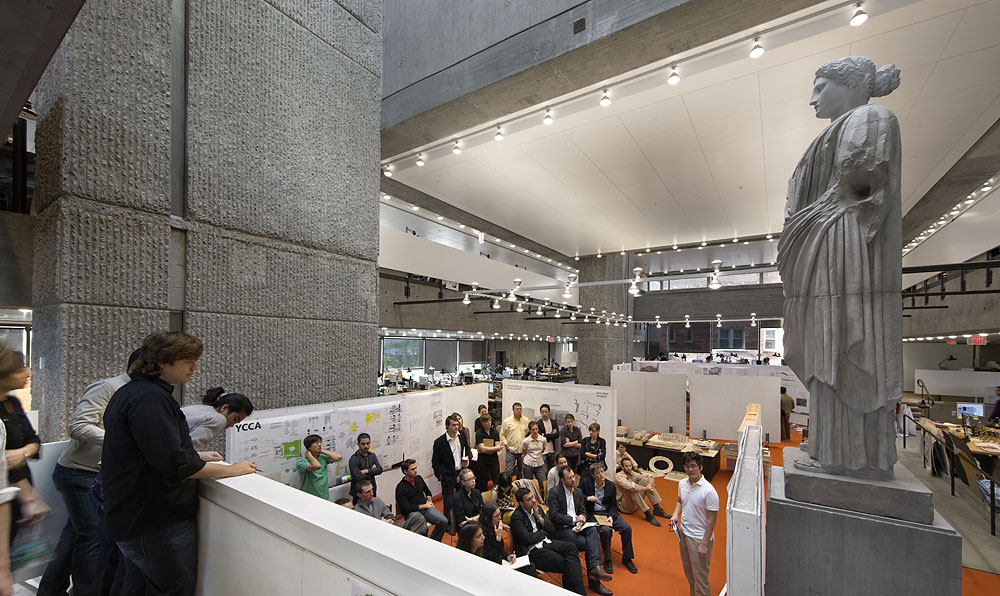
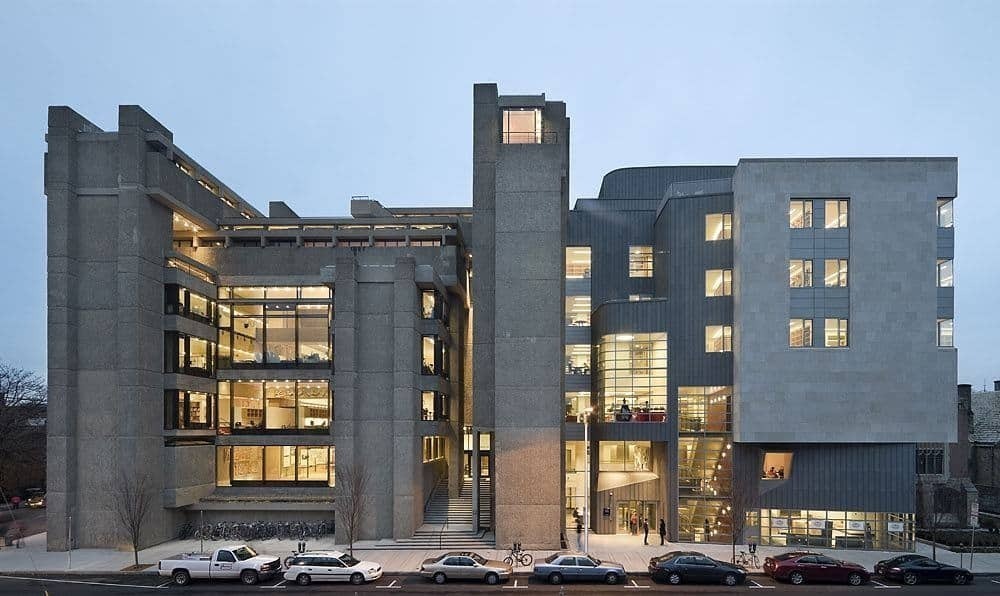
Paul Rudolph Hall, Jeffrey H. Loria Center for the History of Art, and the Robert B. Haas Family Arts Library New Haven, CT Yale University’s Rudolph Building–formerly known as the Art and Architecture Building–was designed in 1963 by the modern master and then chair of the School of Architecture, Paul Rudolph. It is considered one of his most important works and was completely renovated and expanded, restoring the structure to its original 1963 intention and providing space for the History of Art department. Continue Back