New York Public Library
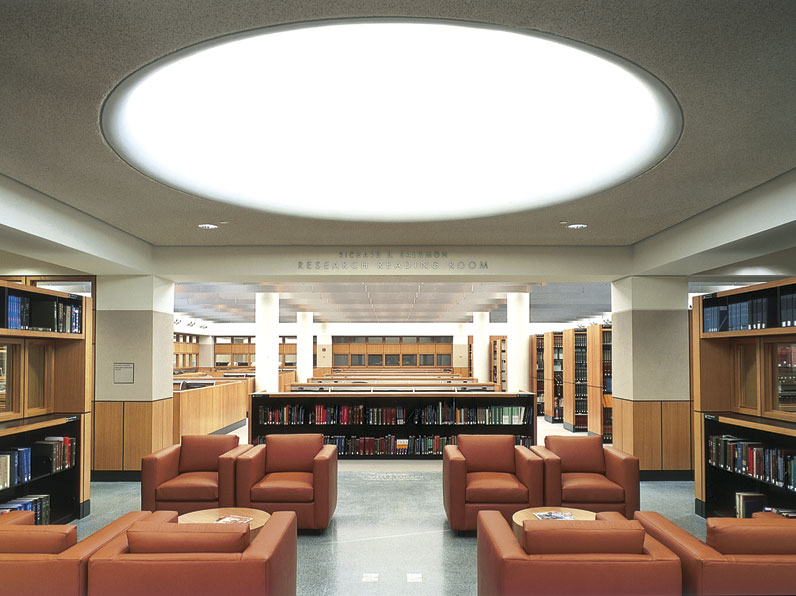
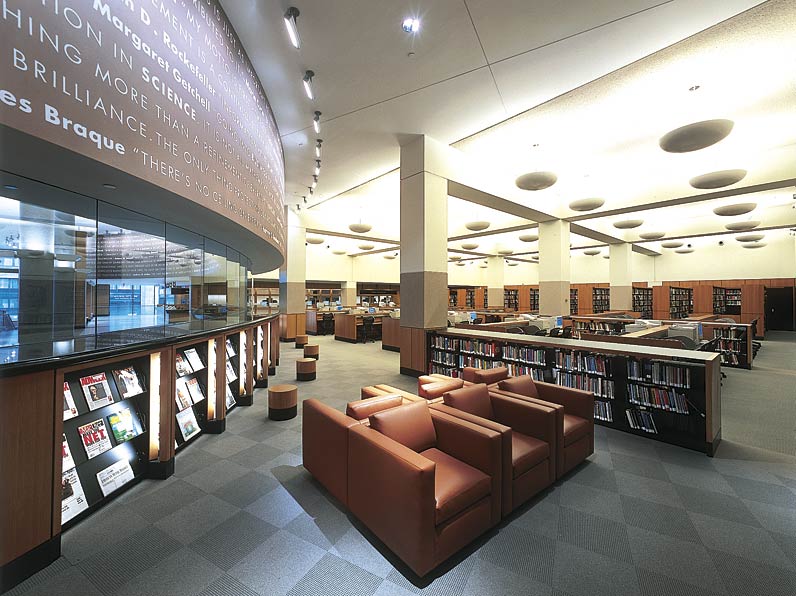
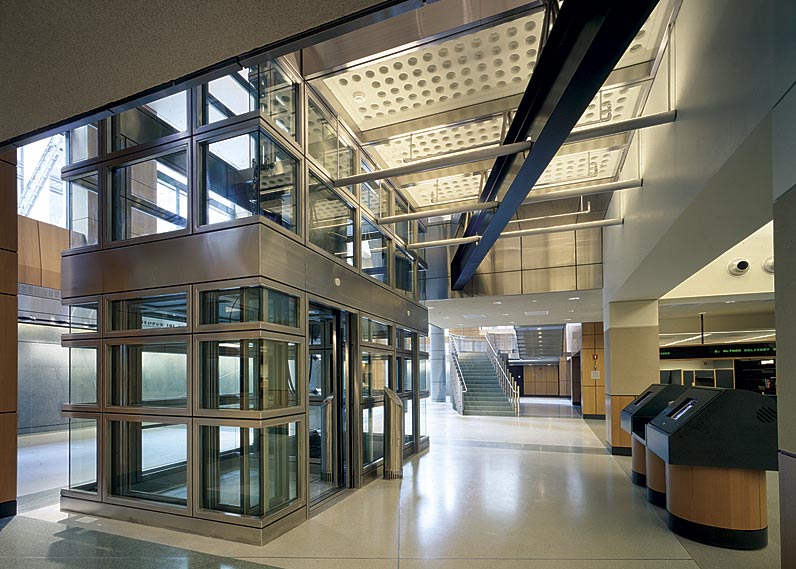
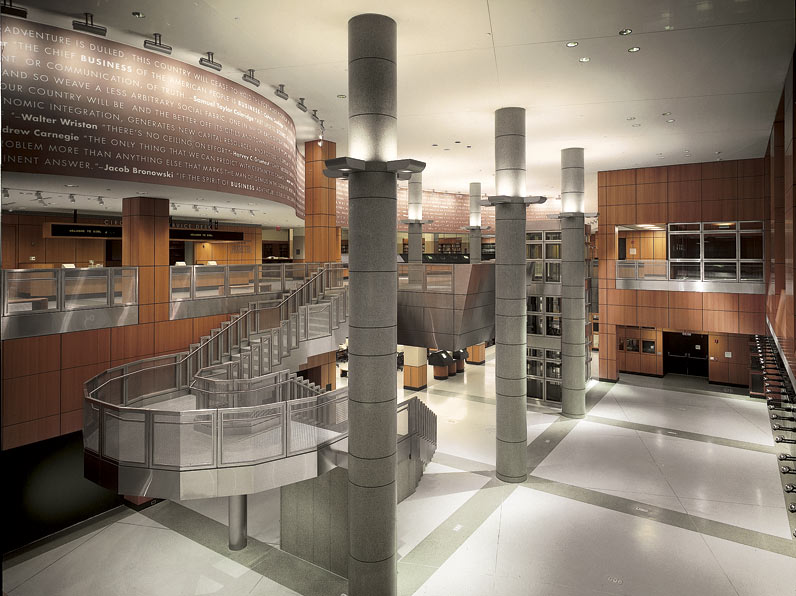
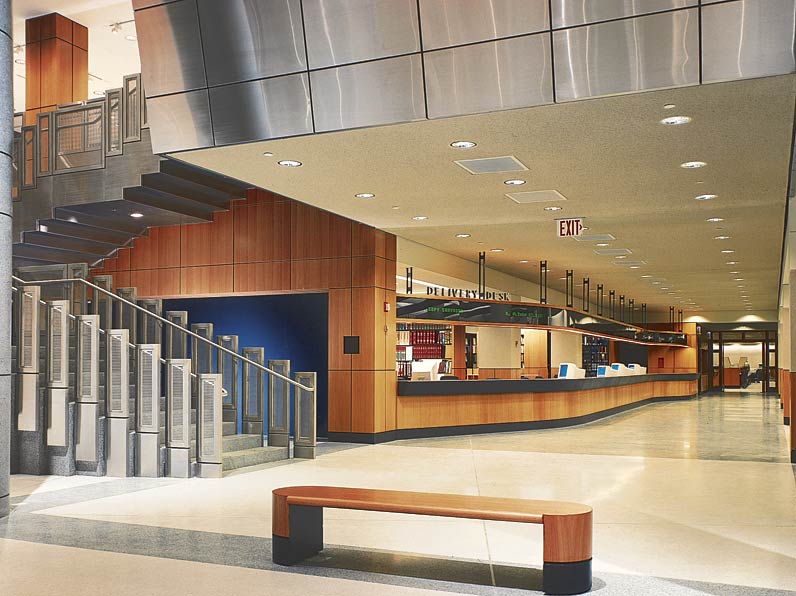
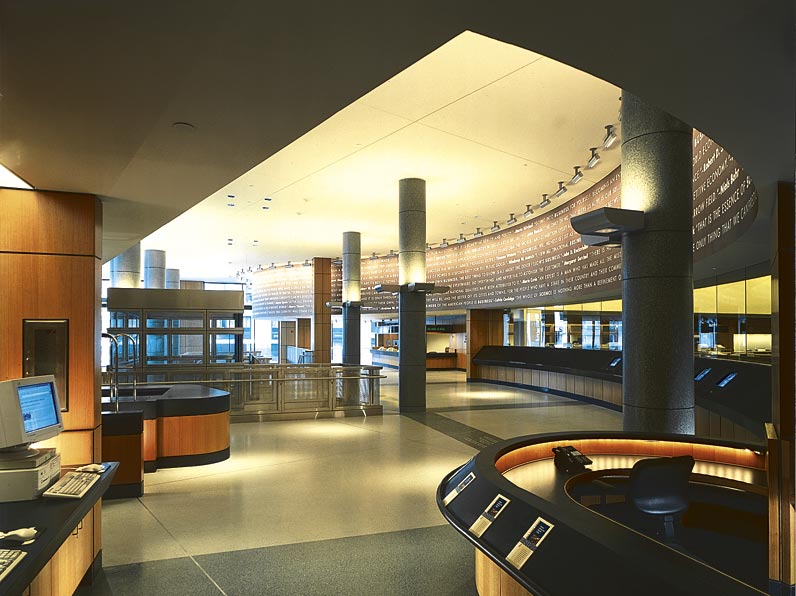
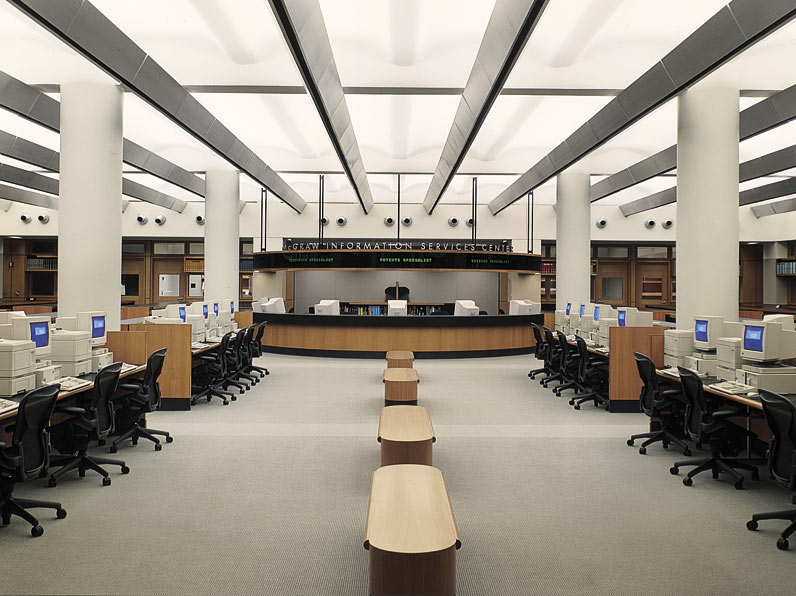
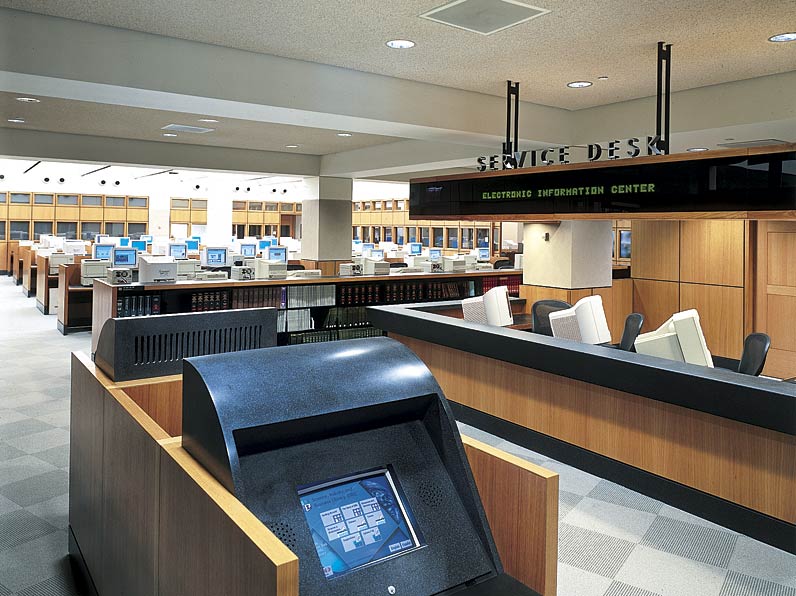
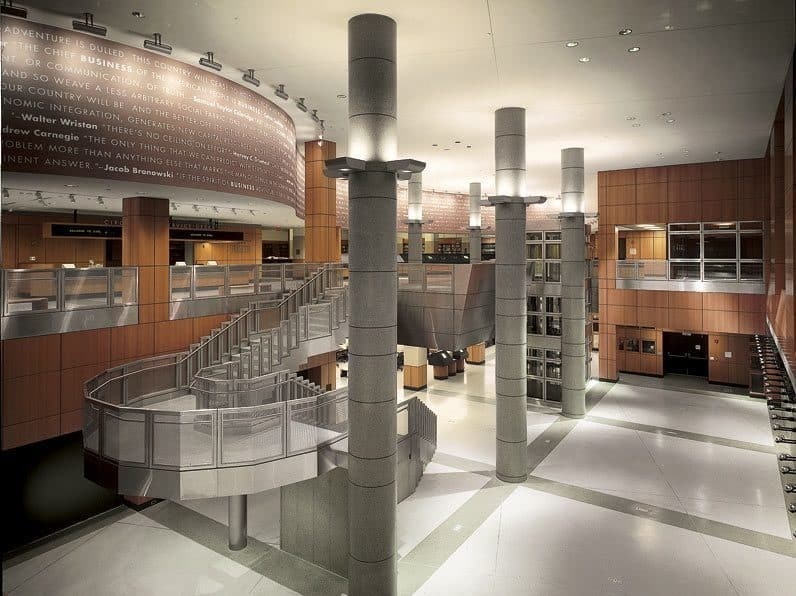
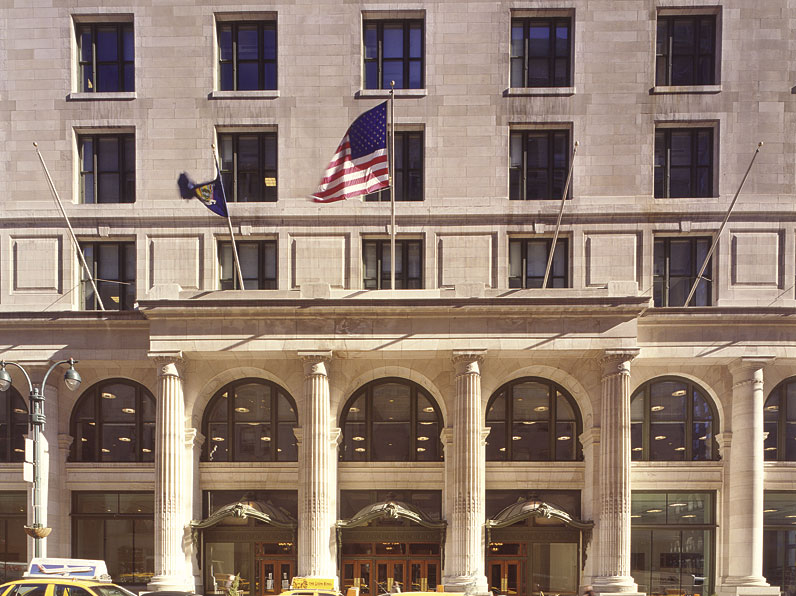
The Science, Industry, and Business Library (SIBL) New York, NY This state-of-the-art library is housed on five levels of a landmarked building, the former B. Altman Department Store. SIBL is a full-service circulating library with storage for a collection of 1.5 million volumes, an open shelf reference collection, periodical shelving and a full catalog area. SIBL is a classic solution to a problem of preservation and adaptive re-use. Continue Back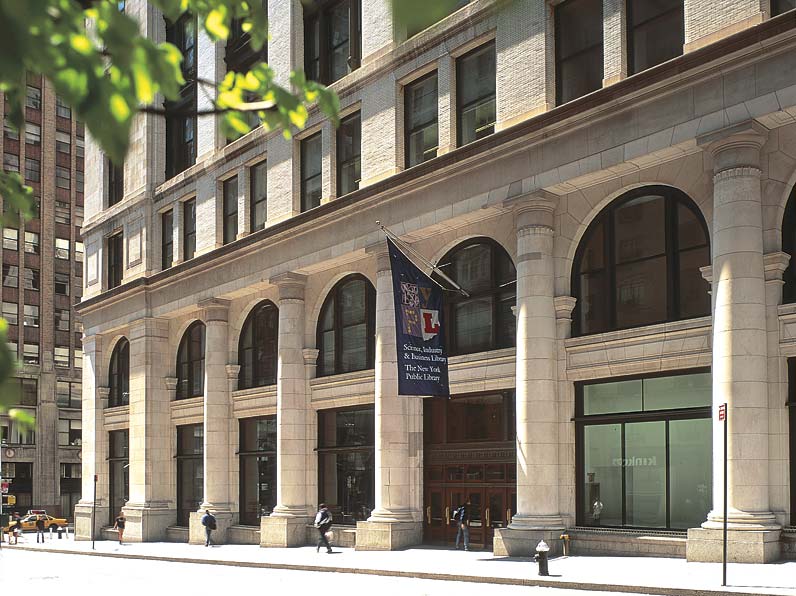
New York Public Library
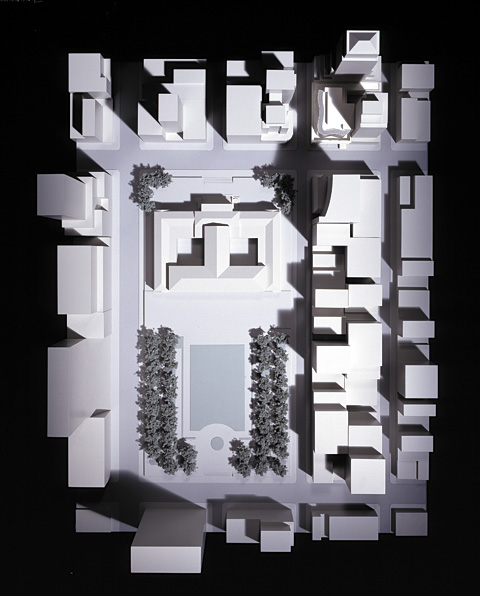
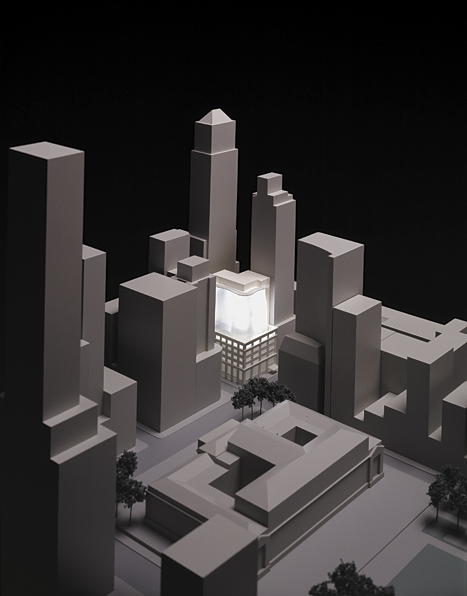
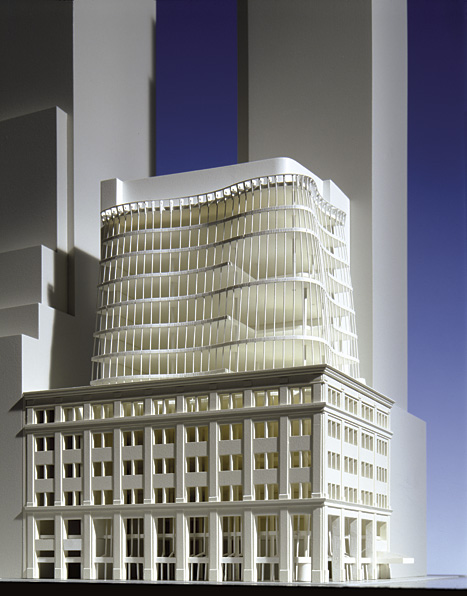
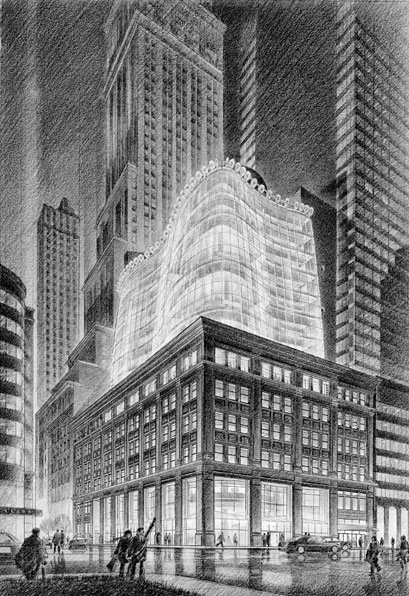
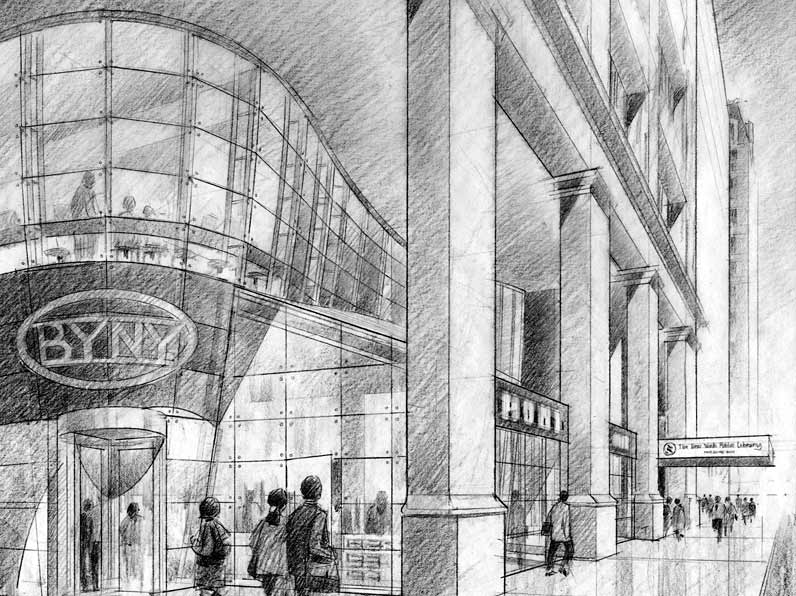
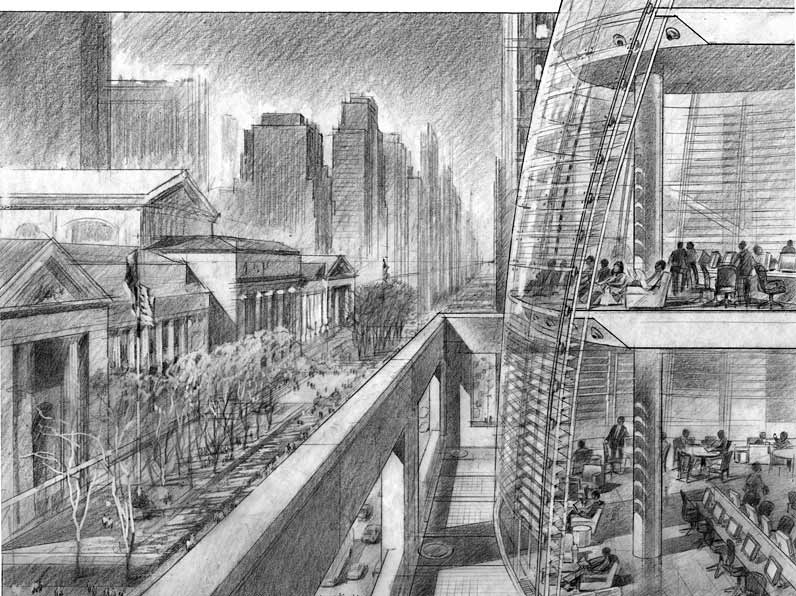
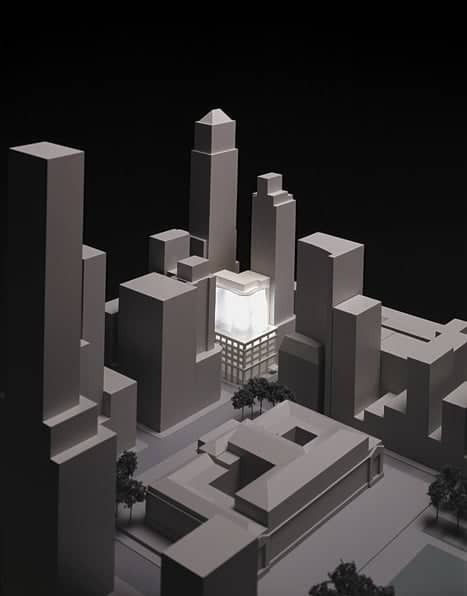
Mid-Manhattan Library Renovation and Expansion Project New York, NY The Mid-Manhattan Library is the main circulating library in the New York Public Library system, currently serving 4,000 New Yorkers daily, with 40% coming from boroughs other than Manhattan. Presently, this facility is severely overcrowded, congested, and unable to fully meet the needs of New Yorkers for library information resources, particularly through information technology. Continue BackThe current Mid-Manhattan Library occupies a prime location on Fifth Avenue and 40th Street in the former Arnold Constable building which is owned by The New York Public Library. The expansion will add an additional eight floors and 117,000 square feet for library service to the existing 139,000 square foot building, while creating a 20,000 square foot ground floor presence for rental to a prominent retailer.
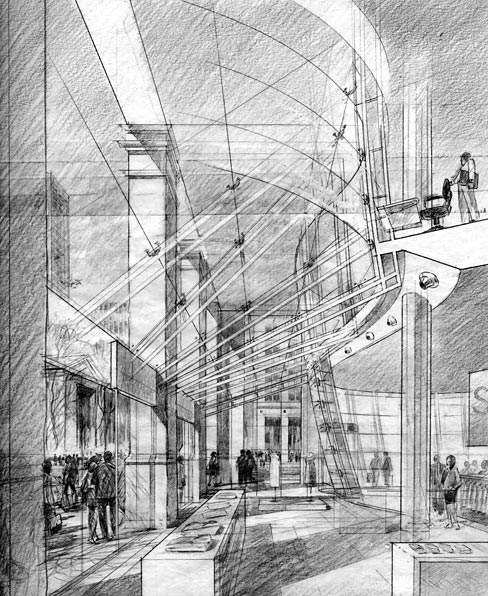
The design maintains the existing building, with structural modifications, retaining the contextual/urban reference, while re-imagining the limestone frame as a base and screen for a new, iconic intervention. Using the existing side facades of adjacent taller buildings on both Fifth Avenue and Fortieth Street, the addition acts as a counterpart to the original building; an articulate, glass sheathed, sculptural crystal volume that anchors the corner and establishes an extended and dynamic “place marker” for the New York Public Library/Bryant Park context.
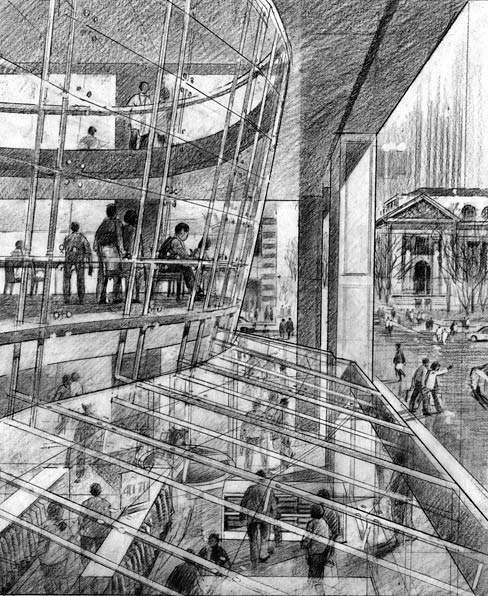
The creation of a singular and memorable new object, as a counterpoint, embodies the visual and psychological presence of the original Beaux Arts Building with a modern vision: “A Beacon of Knowledge”. The expanded Mid-Manhattan library will offer a massive presence of information technology including over 300 computers, 100 laptops, and broad access to hundreds of electronic databases and technology training programs combining computer literacy and library literacy.
Facilities will include five “Information Commons”, one on each of five paired floors: Reference, Art, History and Social Sciences, Periodicals, and an extensive popular library including multiple copies of the latest best-sellers, language books and literature in addition to biographies, mysteries, travel books and vacation guides, books on tape, videos, and current multi-media items.
PepsiCo World Headquarters
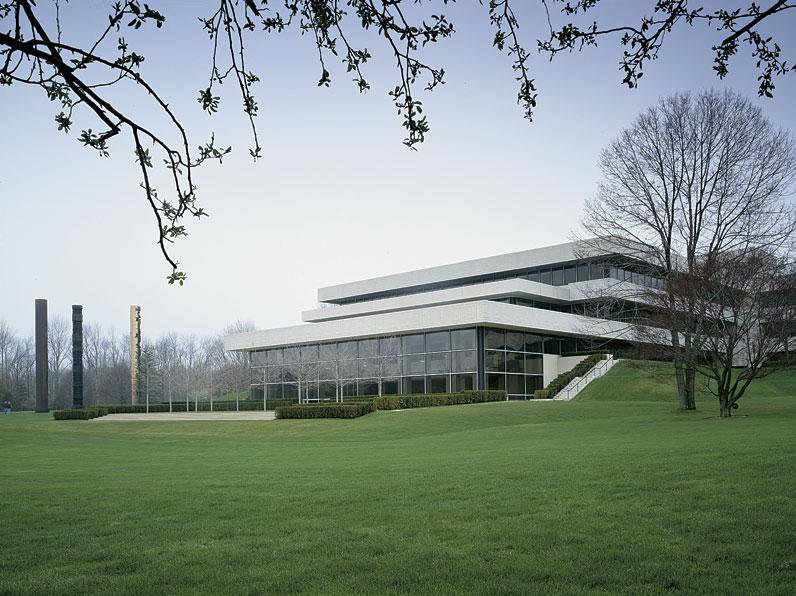
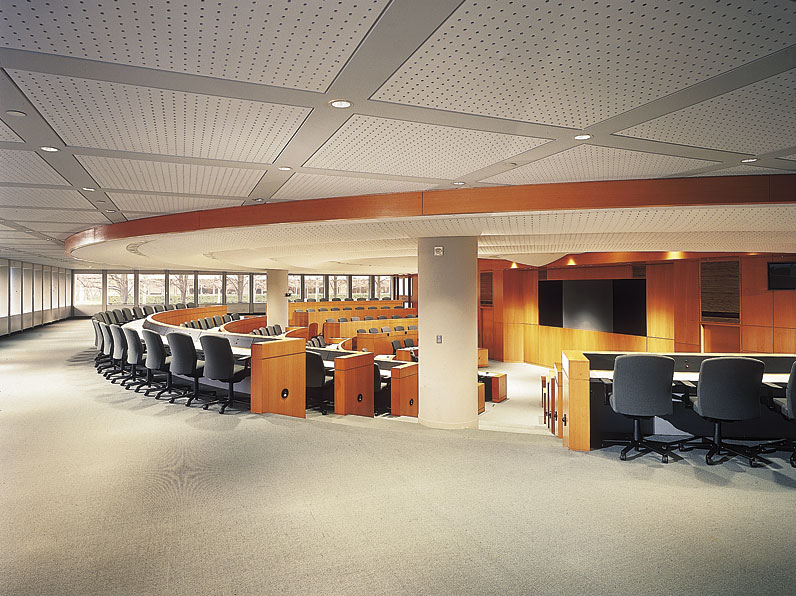
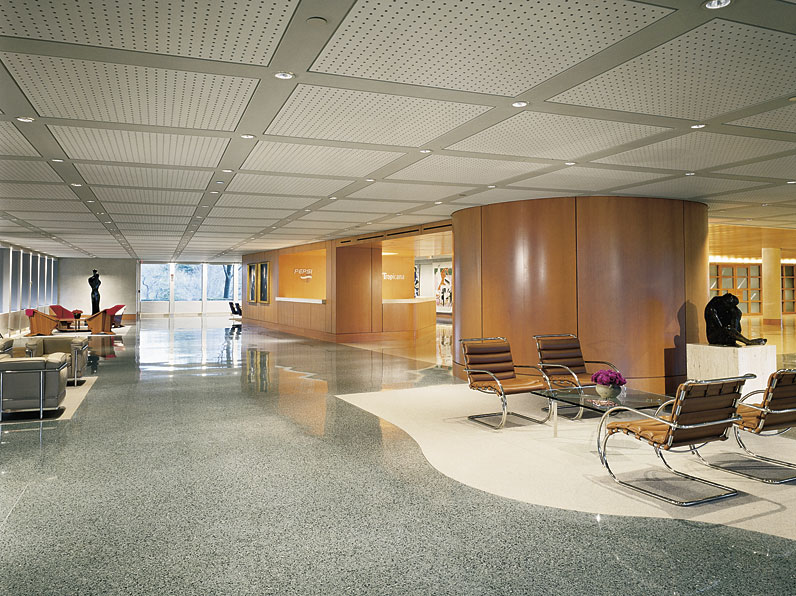
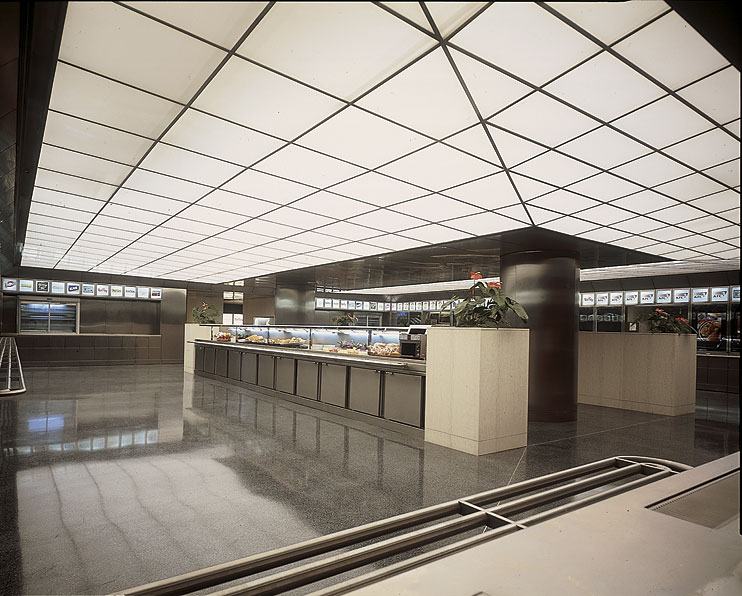
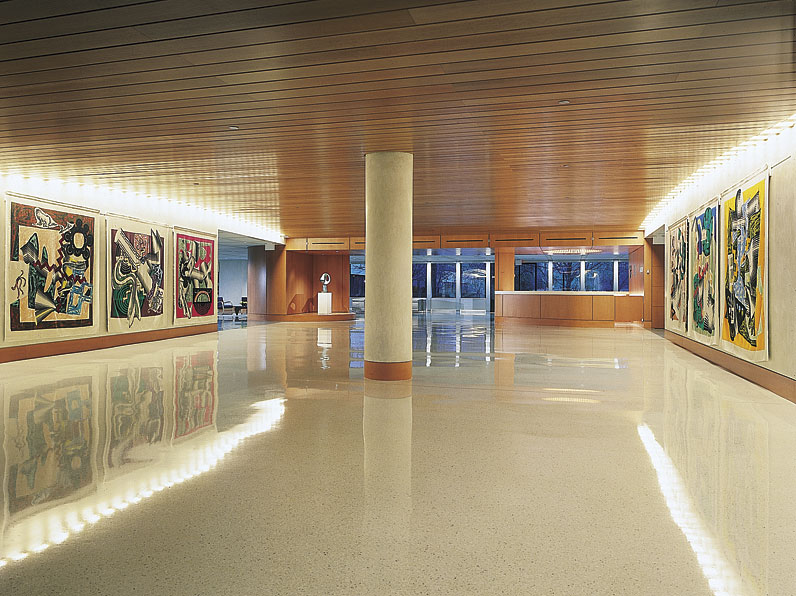
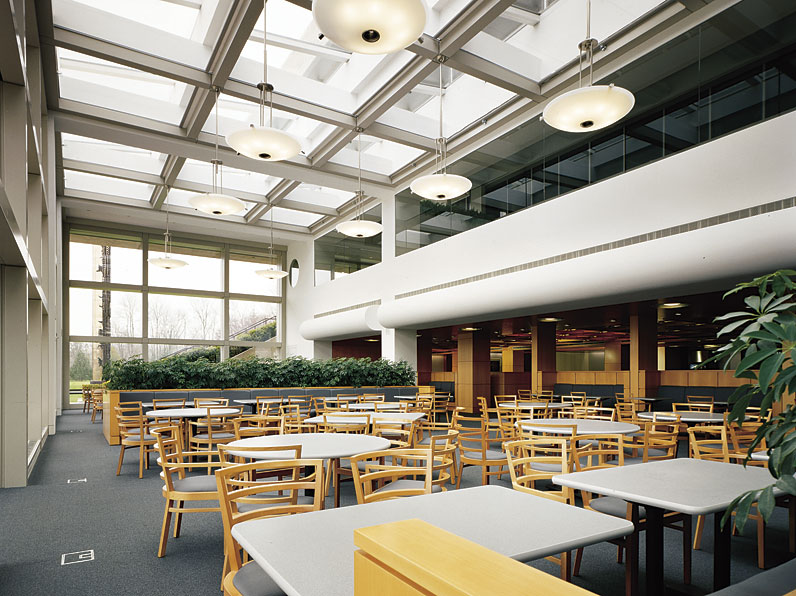
Headquarters Master Plan and Facilities Upgrade Purchase, NY The PepsiCo Headquarters was originally designed in the late 1960s by Edward Durrell Stone, and the extensive landscaped sculpture gardens were designed by Russell Page and Francois Goffinet. In 1993, Gwathmey Siegel Kaufman Architects was asked to revise the master plan and has since designed the new cafeteria, Leadership Conference Center, and a gallery and dining room addition. Continue BackThe dining room is an expansive room with seating for 400 people and areas for special functions at either end. Two doors lead outwards to the patio and garden beyond. Special ceilings offer a high degree of spatial depth and emphasize the cafeteria’s connection to the garden.
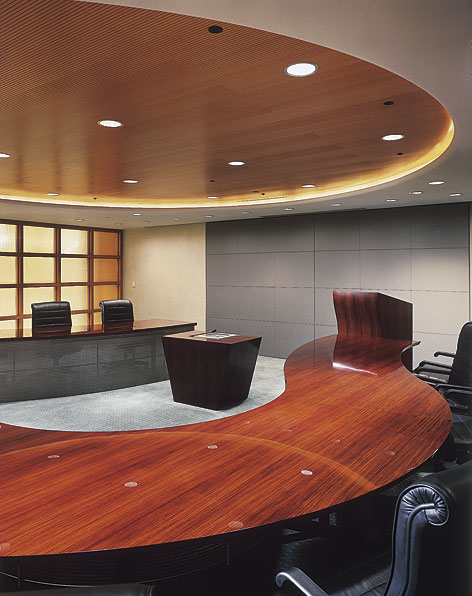
The 12,500-square-foot, 150-person Leadership Conference Center is a state-of-the-art meeting facility with rear projection screen and multimedia capabilities. All seating areas are equipped with data outlets and individual microphones. 2,000 square feet of flexible breakout space can be further subdivided into smaller, acoustically separate rooms.
The gallery and dining room addition extends the existing dining room on the lower level. The extension of this unique cantilevered building required extensive technical coordination and structural ingenuity. The addition contains a two-story, glass- enclosed gallery on the first floor and a two-story glass-enclosed and skylit dining room on the lower level. A landscaped roof terrace was created off the executive office floor for private functions.
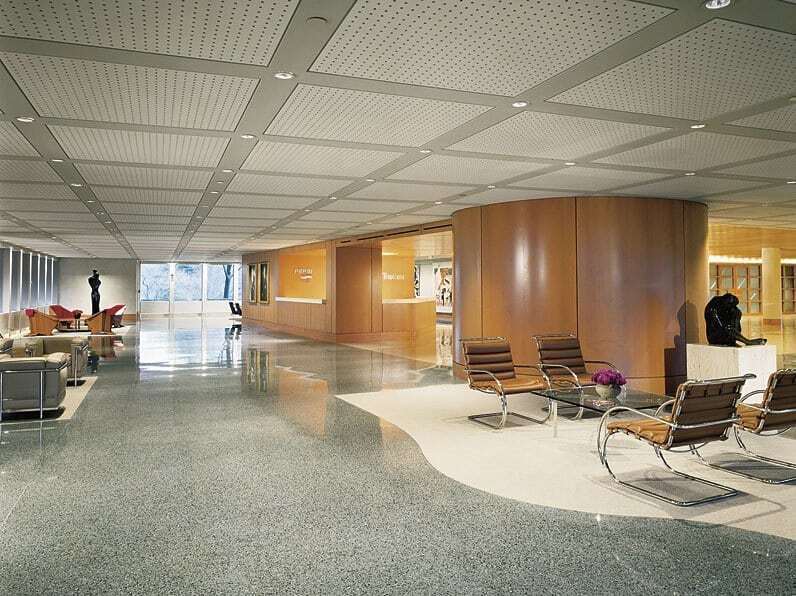
A 12,000-square-foot renovation of the reception area and corporate meeting rooms provides views to the surrounding garden and state-of-the-art, flexible meeting rooms.
Princeton University
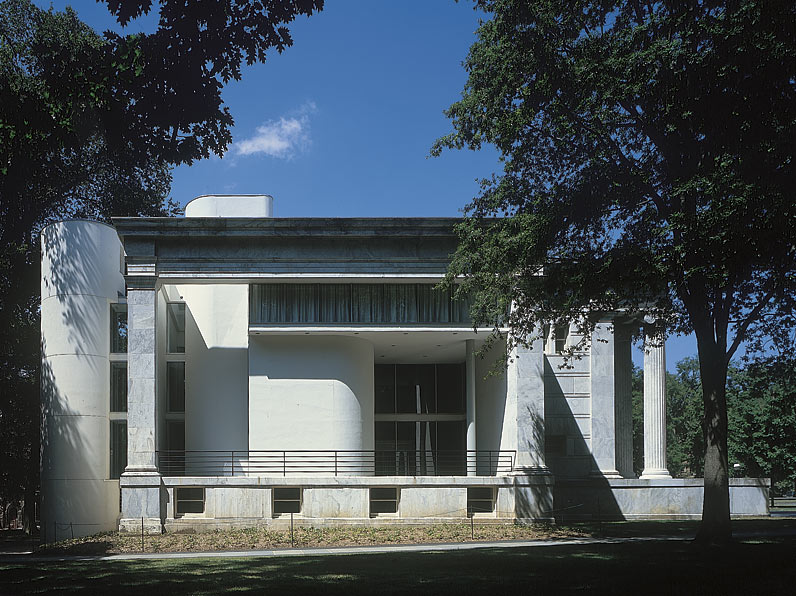
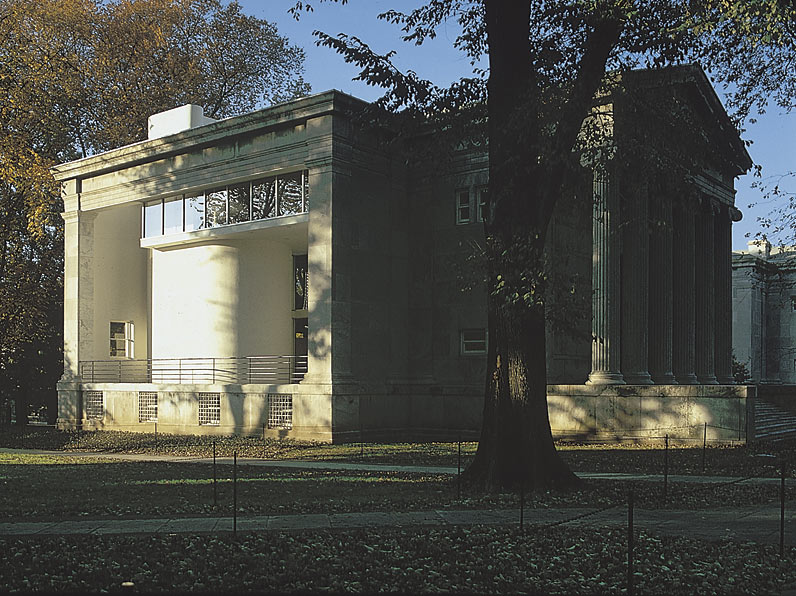
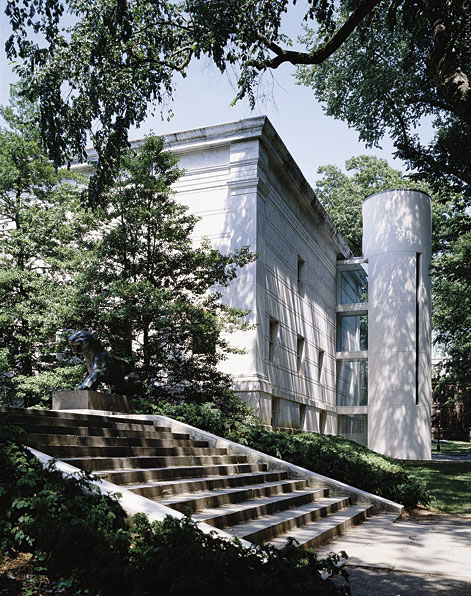
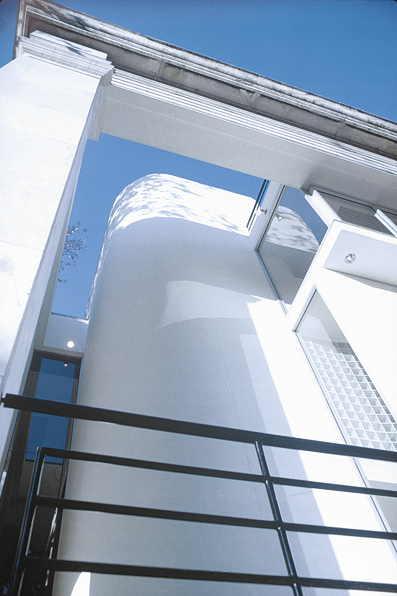
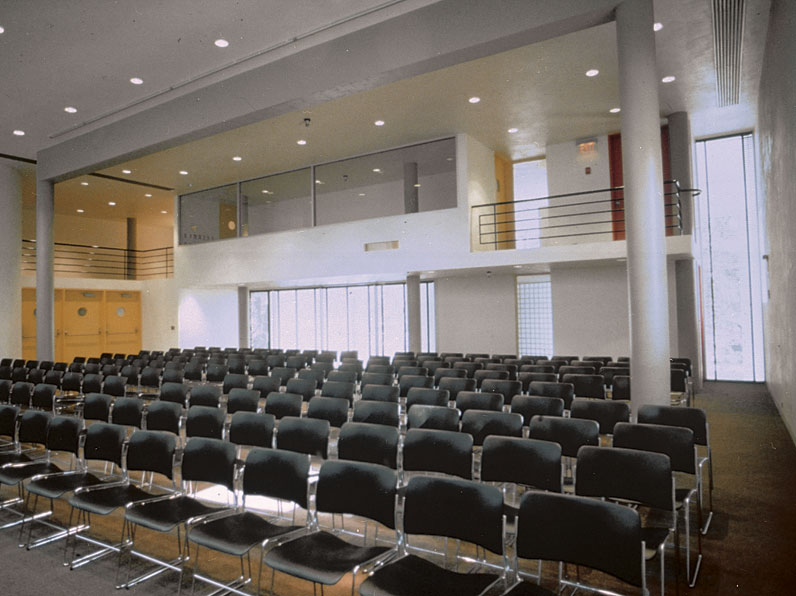
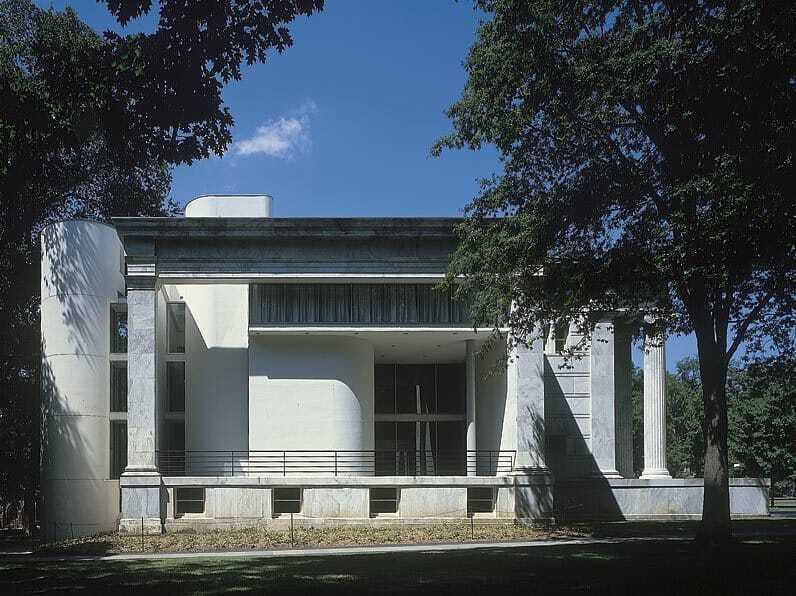
Whig Hall Princeton, NJ At the heart of Princeton’s campus lies Canon Green, bounded on the south by a pair of identical neoclassical structures built to house the University’s two debating societies, Whig and Clio. When all but the exterior wall of Whig was destroyed by fire, the University took the rebuilding program as an opportunity to strengthen ties of its formal center to current student use. Continue BackFurther, new construction had to be built to current building—particularly fireproofing—codes and be fitted with a modern air conditioning system. The new facility is structurally and aesthetically independent from the shell of the original building within which it sits. To avoid overburdening old walls and foundations, new full height columns were lowered on to newly created foundations within the old building’s perimeter. By removing the east wall, the structure and the activity held within are visible to students along the busy cross campus path to the east.
Solomon R. Guggenheim Museum
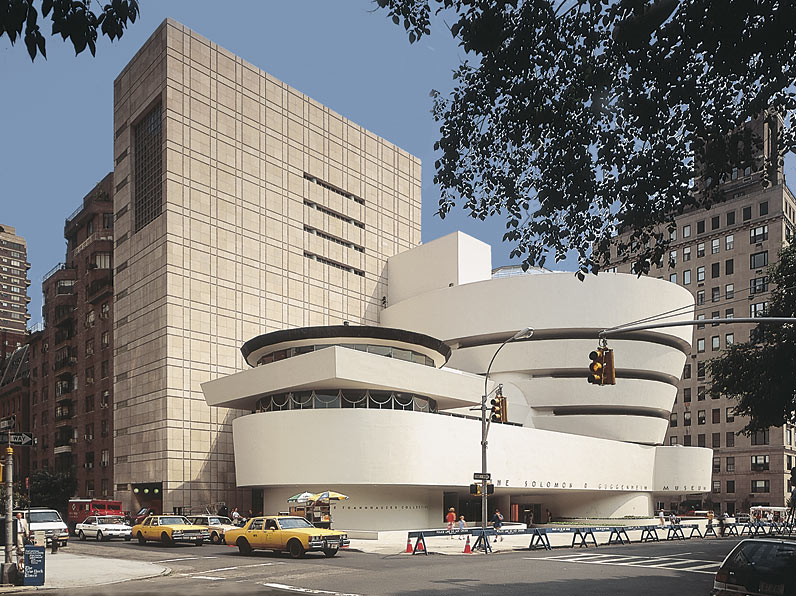
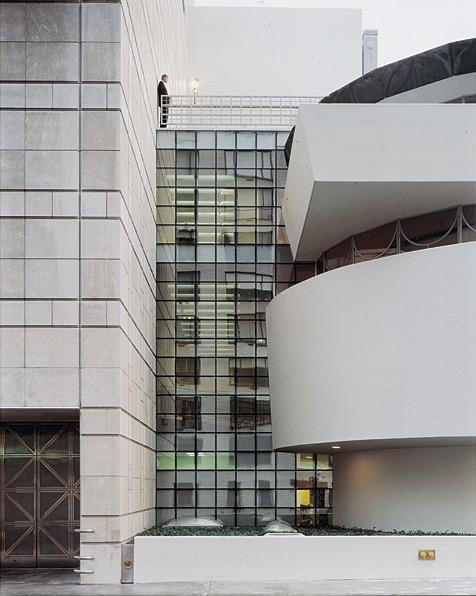
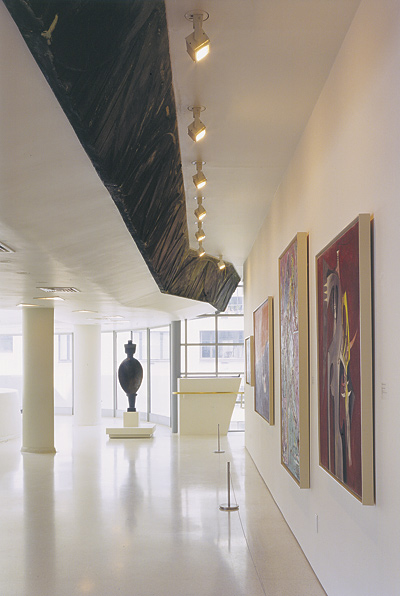
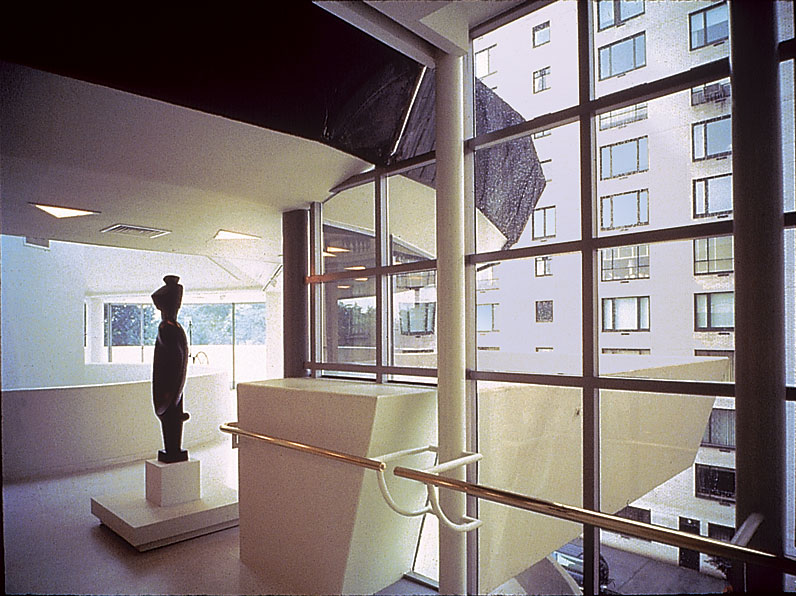
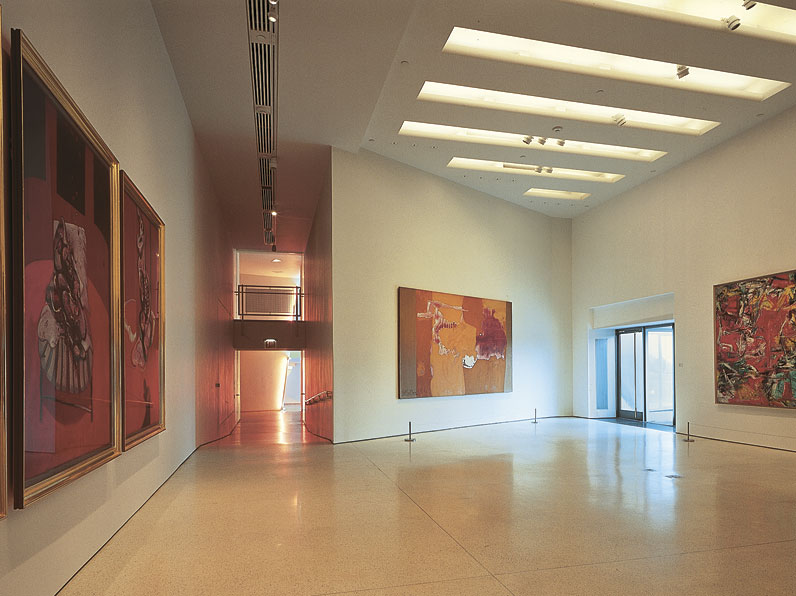
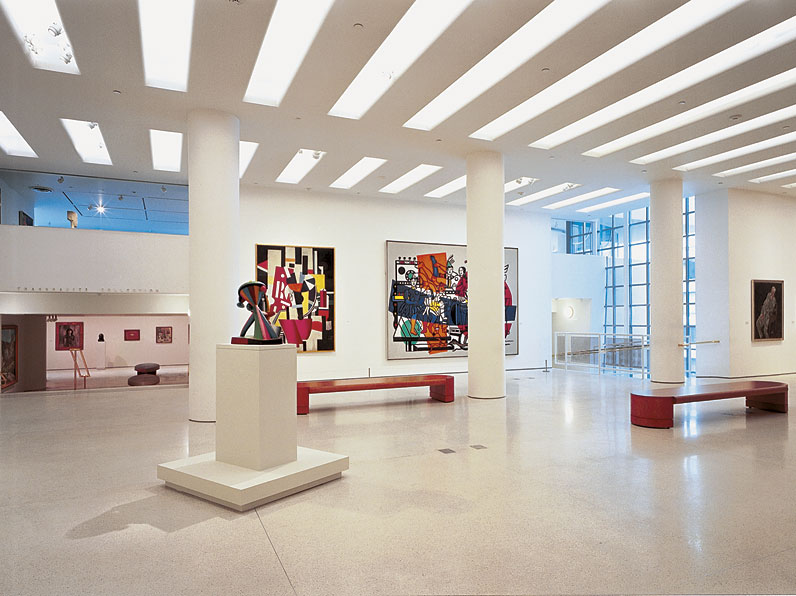
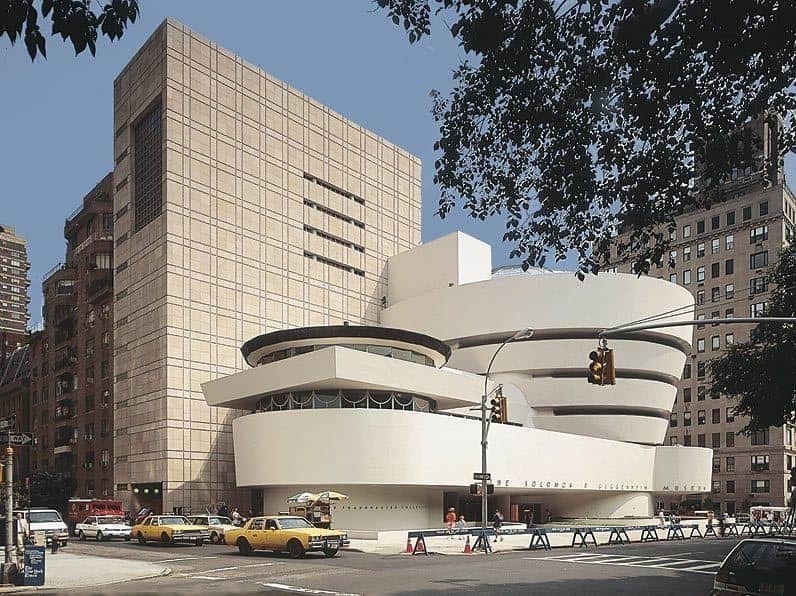
Renovation and Addition New York, NY Gwathmey Siegel Kaufman's addition to and renovation of the Solomon R. Guggenheim Museum in New York City is one of the firm’s most celebrated and critically acclaimed works. It contains 51,000 square feet of new and renovated gallery space, 15,000-square-feet of new office space, a restored theater, new restaurant and retrofitted support and storage spaces. Continue BackThe entire original structure is now devoted to exhibition space. Each ramp cycle affords the option of entry or views to new galleries. Within the rotunda, numerous technical refinements have corrected omissions in the original construction and brought the building up to current museum standards. Re-glazing the central lantern, opening the clerestories between the turns of the spiral wall, and restoring the scalloped flat clerestory at the perimeter of the ground floor exhibition space have recaptured the sensitivity to light evident in Wright’s original design.
“Tasteful, discrete and logical”
Architecture Magazine, August 1992
“After years of fuss and furor, the great but inhospitable Guggenheim gets a splendid overhaul.”
Time Magazine, 6 July 1992
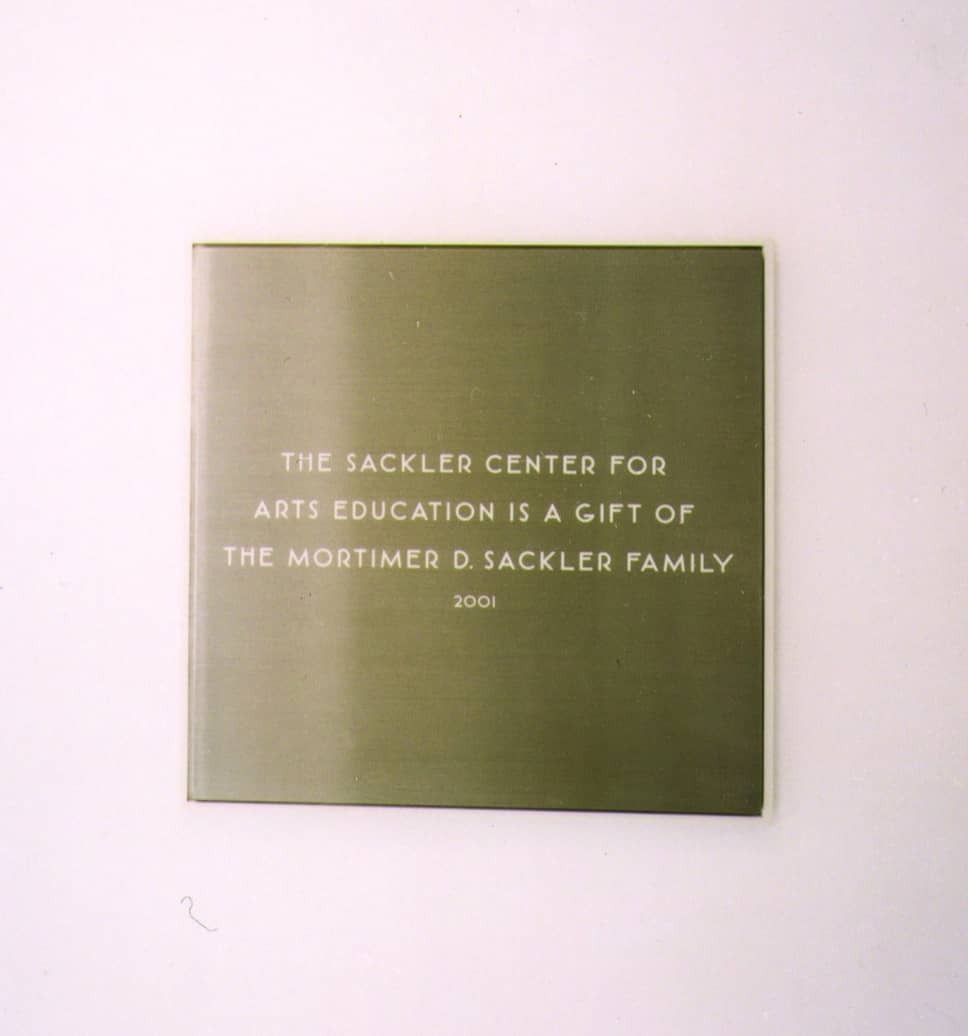
The Sackler Center for Arts Education – Guggenheim
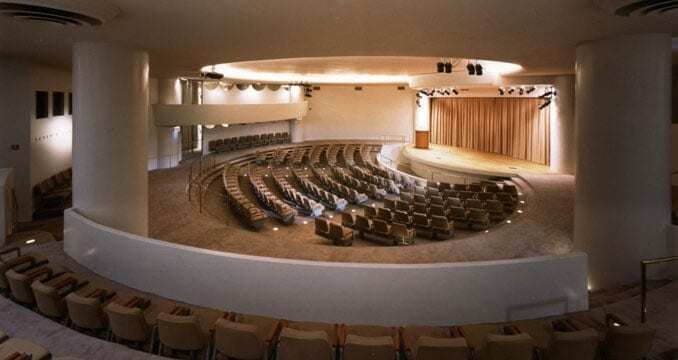
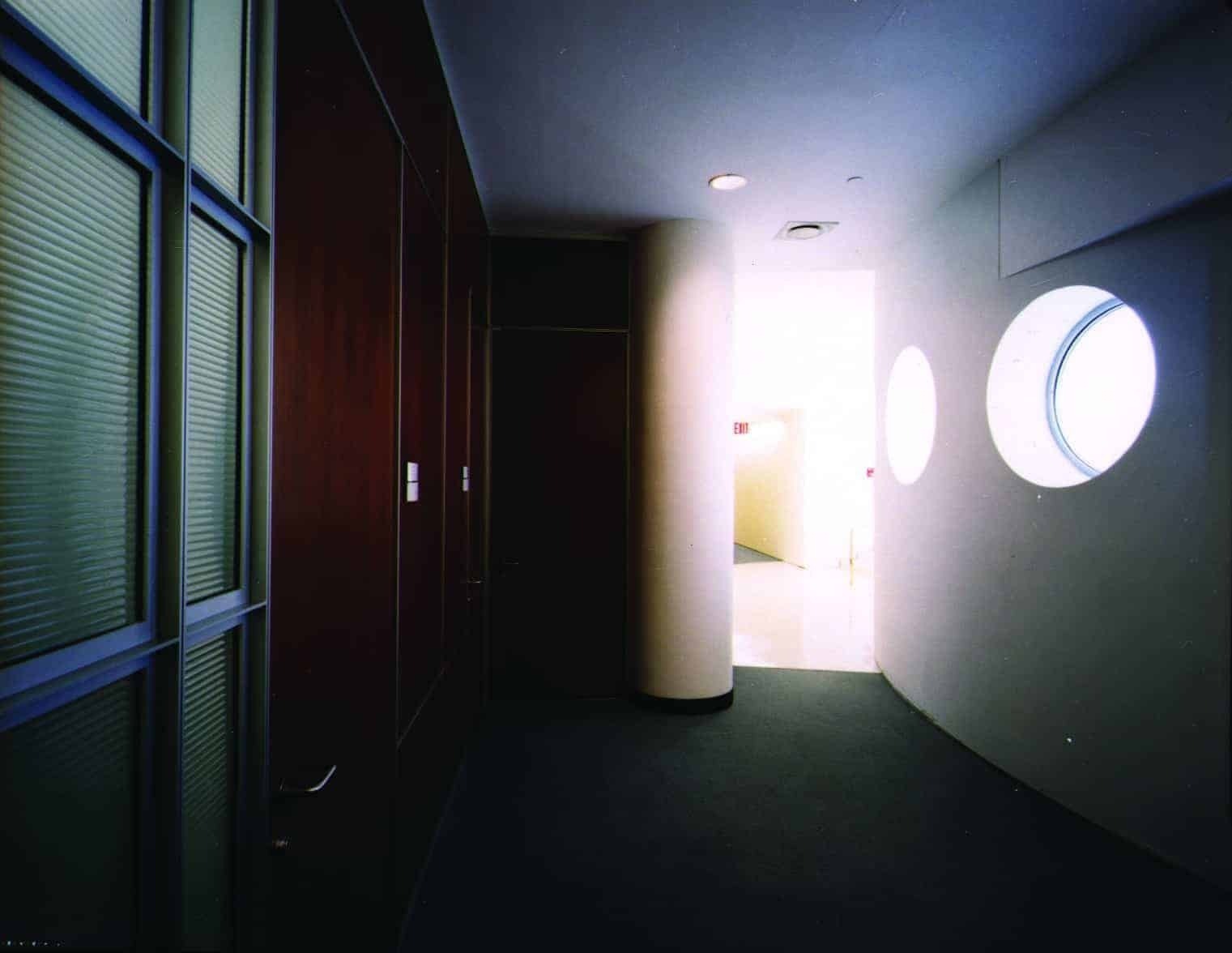
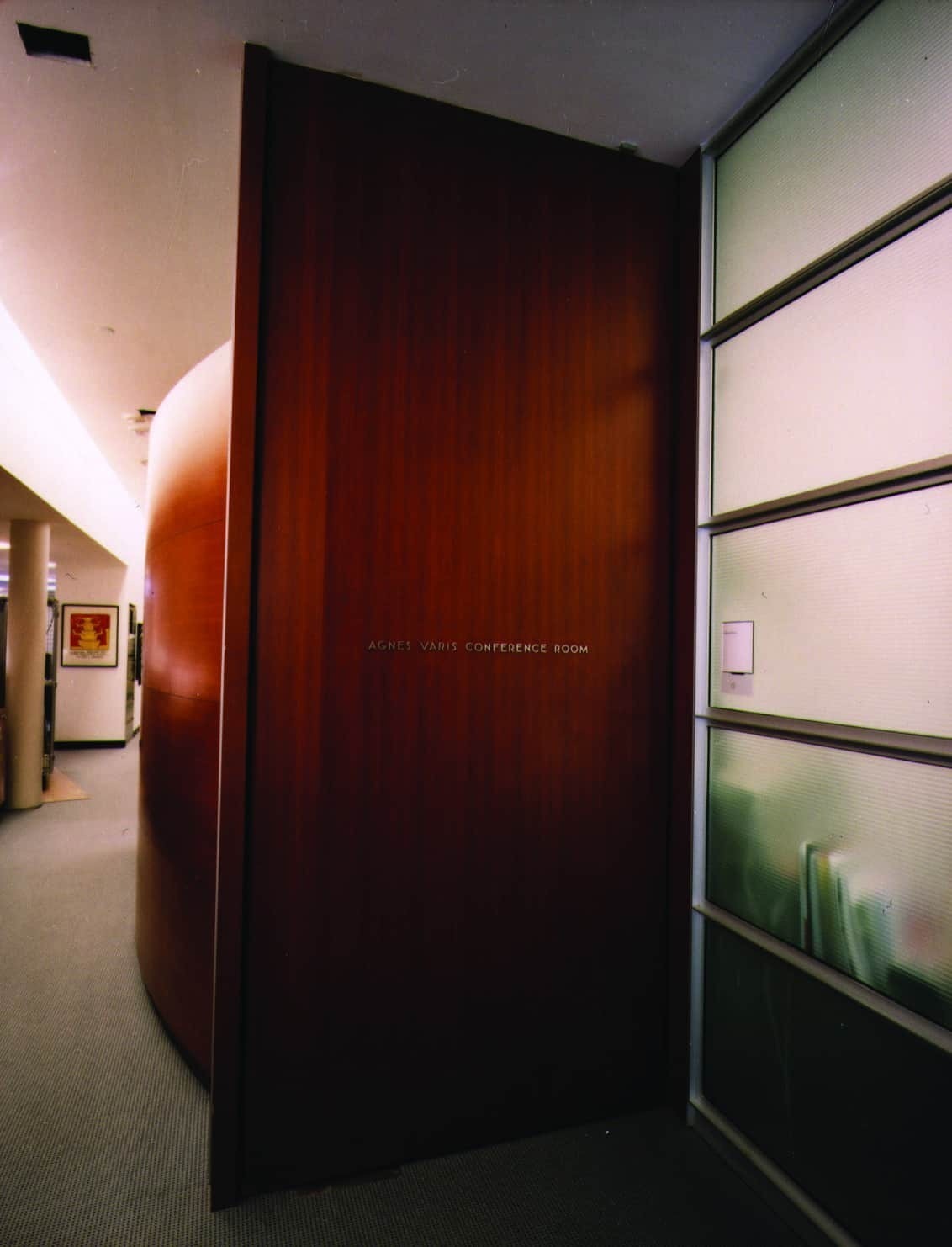
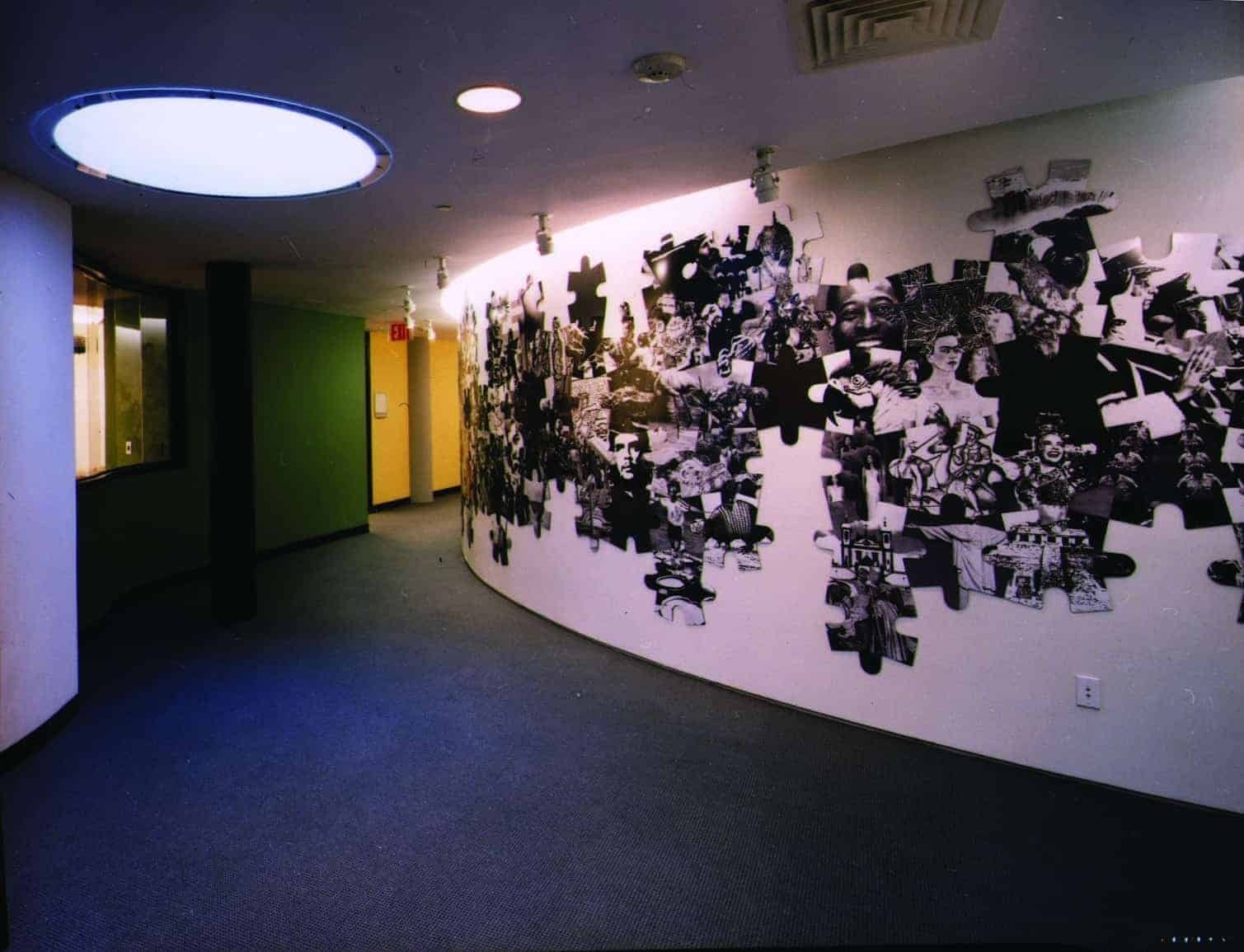
The Sackler Center for Arts Education New York, NY Continue BackThe Sackler Center for Arts Education – Guggenheim
1071 5th Ave. New York, NY 10128Y
Sony Entertainment
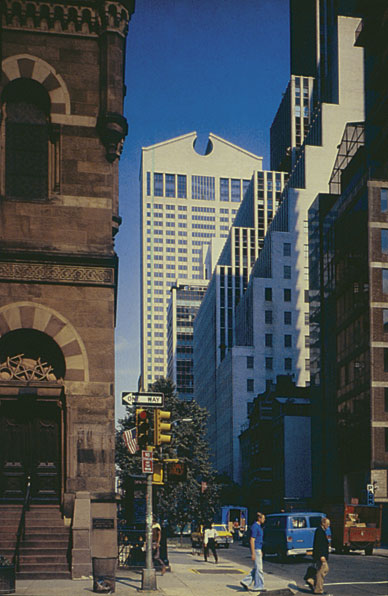
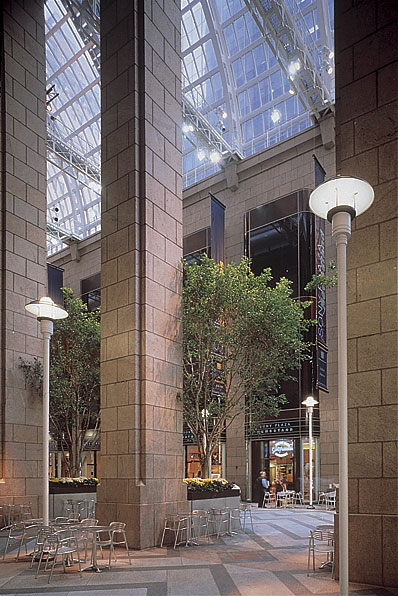
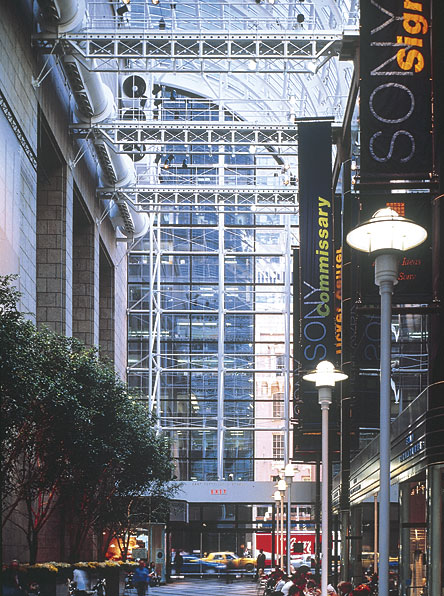
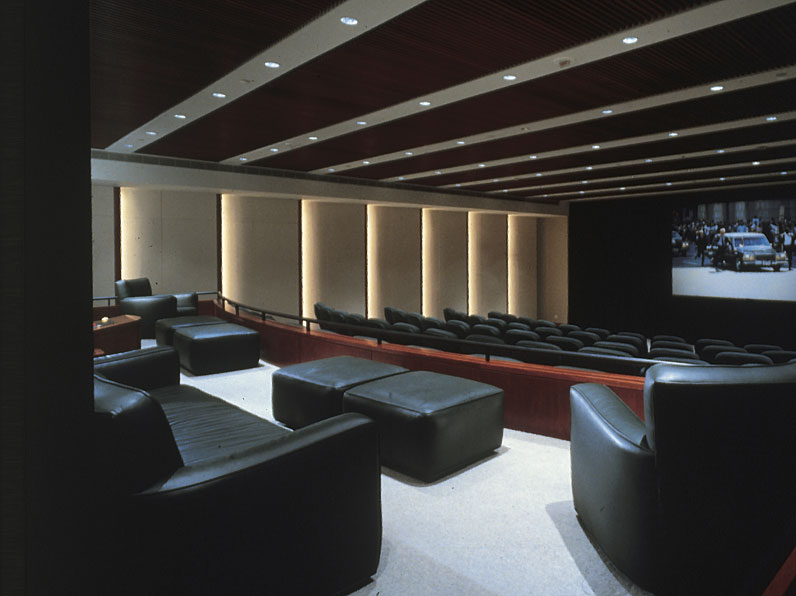
Headquarters New York, NY When Sony acquired the celebrated AT&T building in 1993, it commissioned Gwathmey Siegel Kaufman to transform the structure into the world headquarters of its music entertainment division and motion picture group. Certain modifications were inevitable: to begin with, the 1,000,000-square-foot, 35-story building, which had accommodated just 600 people when it was occupied by AT&T, would now have to house 1,600. Continue BackThe former annex building contains a series of new spaces, including a newsstand, commissary, ticket booth and the Sony Wonder Museum. Organized around theatrical motifs, the museum is an interactive, state-of-the-art attraction featuring electronic display signs and graphics meant to enhance visitors’ understanding of communication through technology.
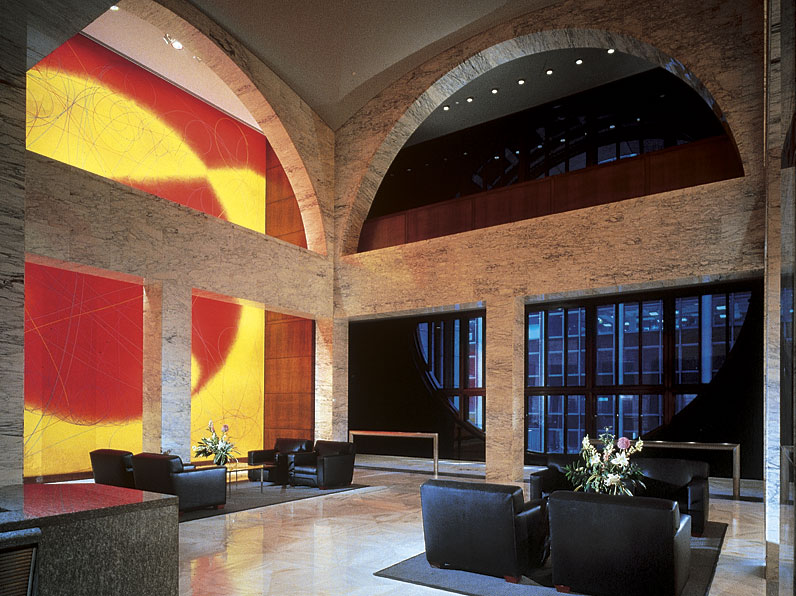
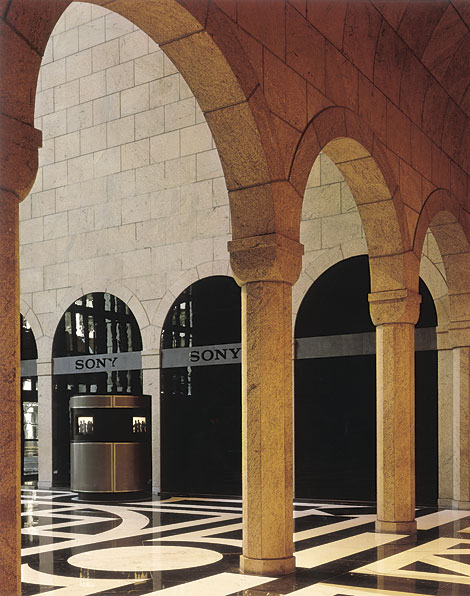
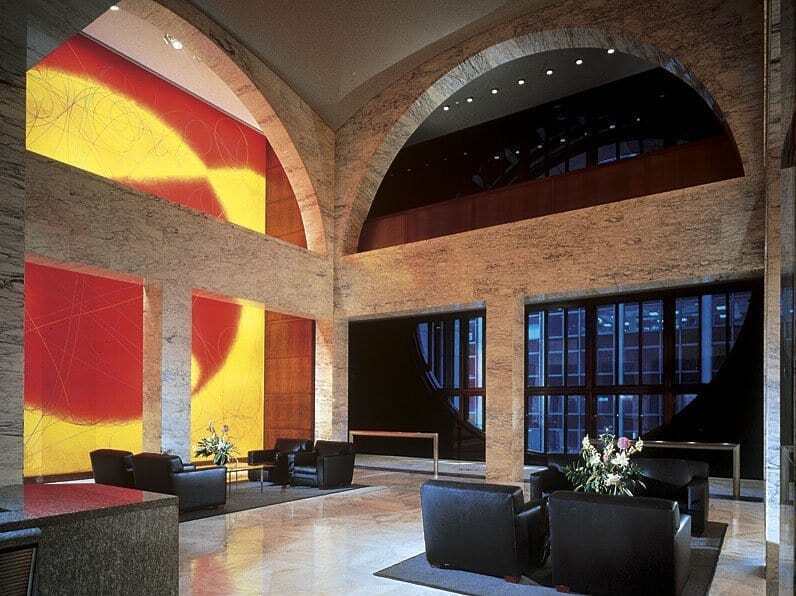
In the ground-floor lobby, sheets of dramatic black glass have been inserted into arched recesses to offset the original granite walls and Lutyens-patterned inlaid marble floor. Black glass paired with anegre veneer recurs at significant points throughout the 35 floors. Color-coded elevator lobbies clearly express each Sony division—yet materials, colors and interior detailing provide a cohesive visual impression. The original perforated metal pan ceiling detail installed by Philip Johnson and the basic core organization were retained. What is new is a rigorous architectural approach to layering the space, both vertically and in plan, as well as in the custom-designed workstations and reception desks.
Interiors Magazine, September 1993

The City University of New York
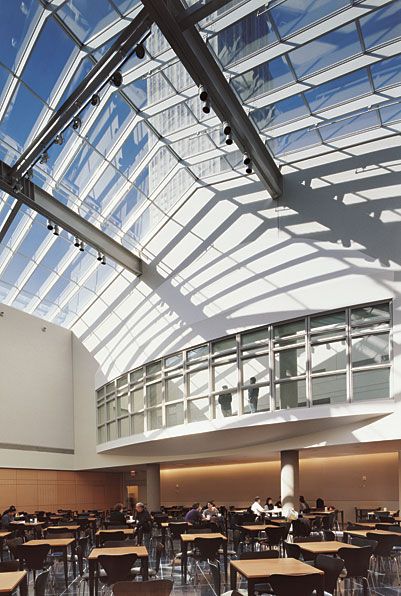
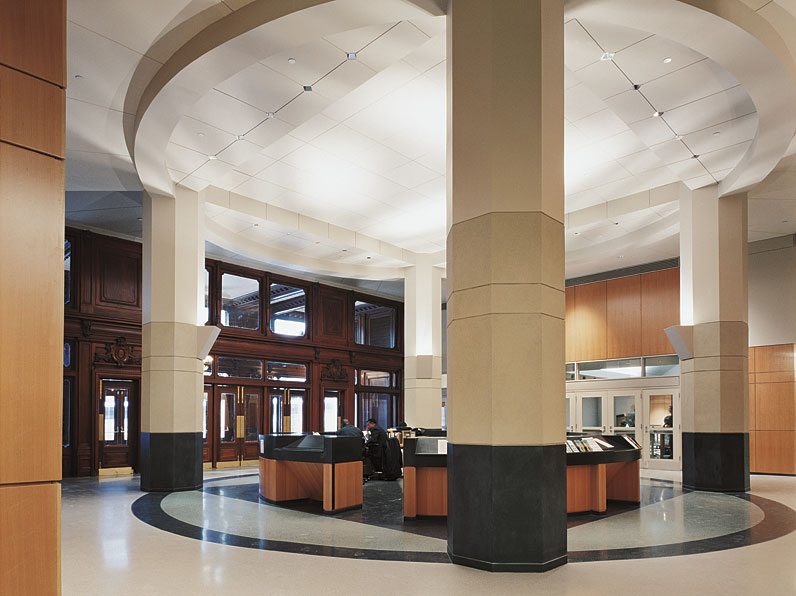
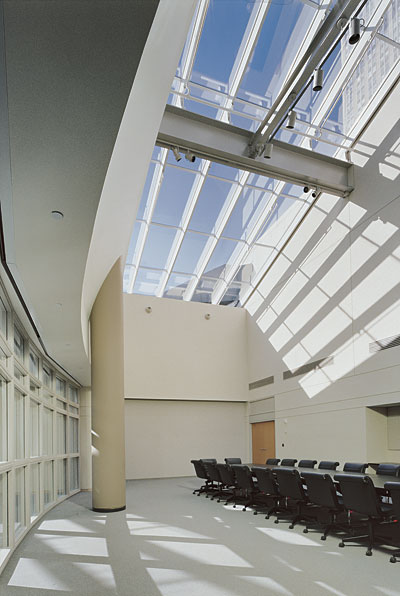
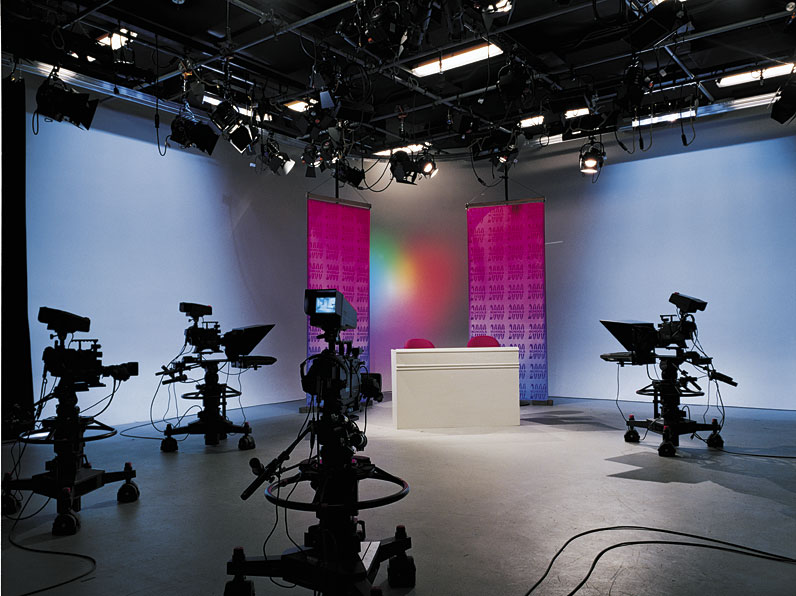
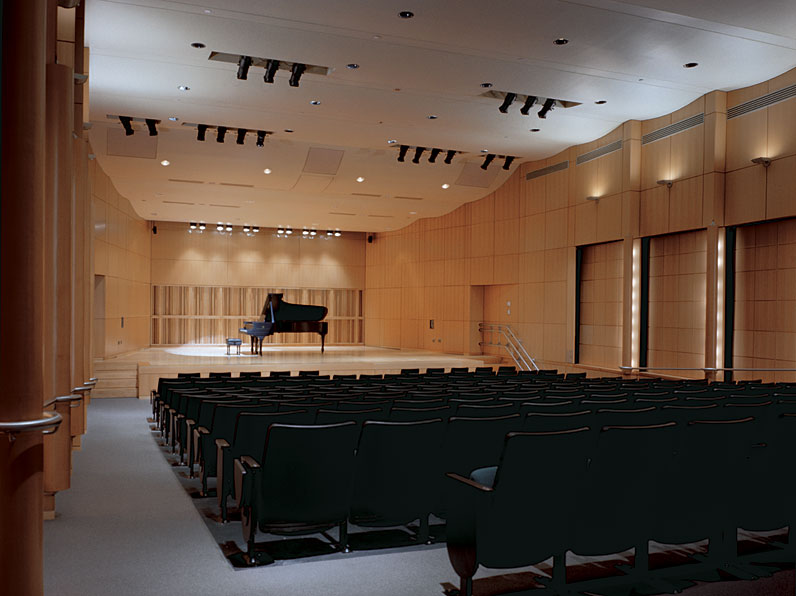
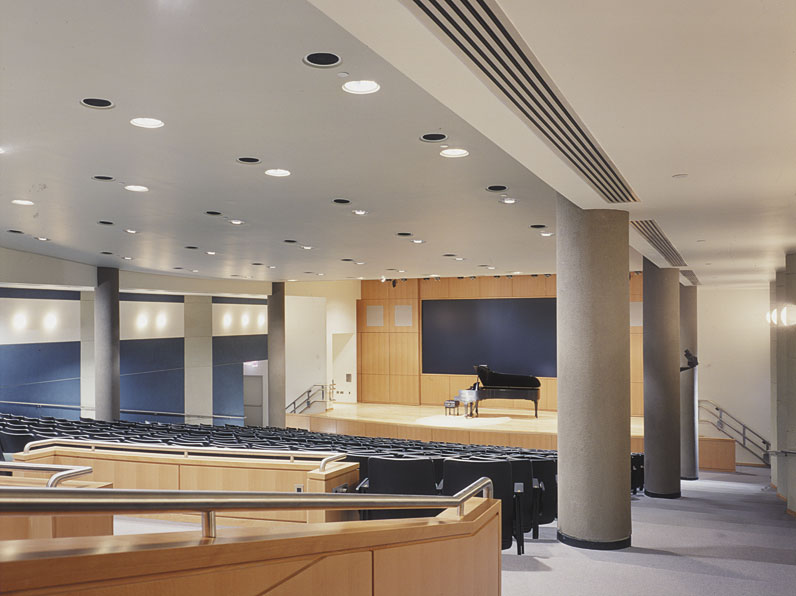
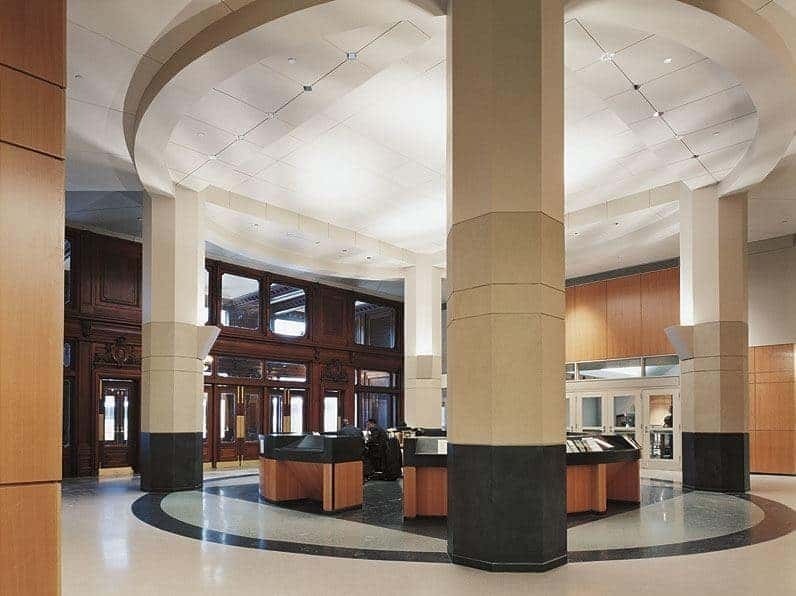
The Graduate Center New York, NY The Graduate Center is on twelve levels of the neo-classical landmark B. Altman's Department Store Building. It includes the restoration of historic interior building elements, structural modifications and a technological infrastructure replacement. Public areas on the lower levels include an auditorium, recital hall, black box theater, TV studio, art gallery, bookstore/coffee bar, and conference center. Continue BackThe academic heart of the campus is the 92,000-square foot research library, which occupies the entire second floor and portions of the ground and lower levels. It has its own internal vertical circulation system and a separate entrance from the main lobby.
Library facilities include open shelving for over 250,000 periodicals and monographs, 1,000 work stations of which more than half are wired to support either lap-top or desk-top computers, fully equipped state of the art Electronic Training Rooms, group study areas, miscellaneous special collection rooms, dissertation archives and music listening stations – all supporting the diverse and highly specialized academic departments.
University of Cincinnati
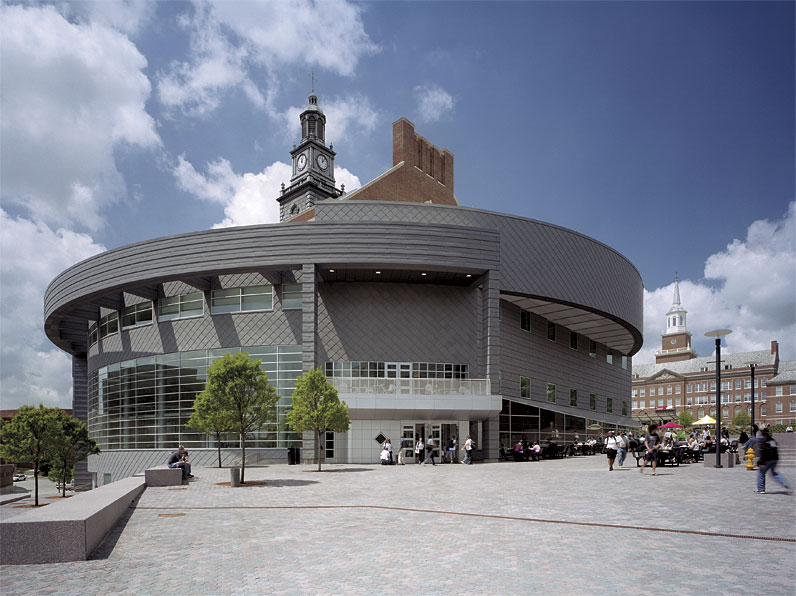
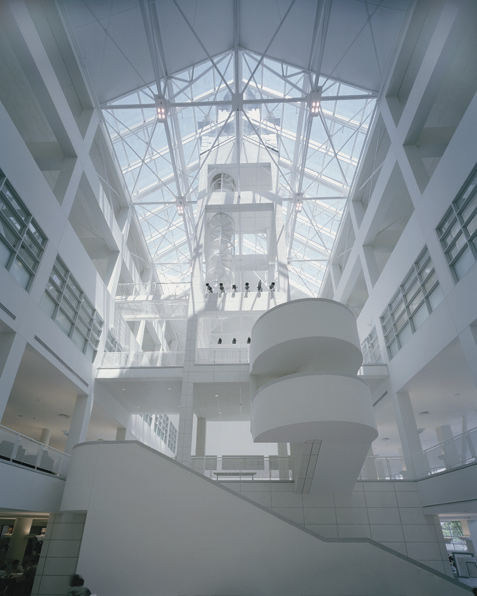
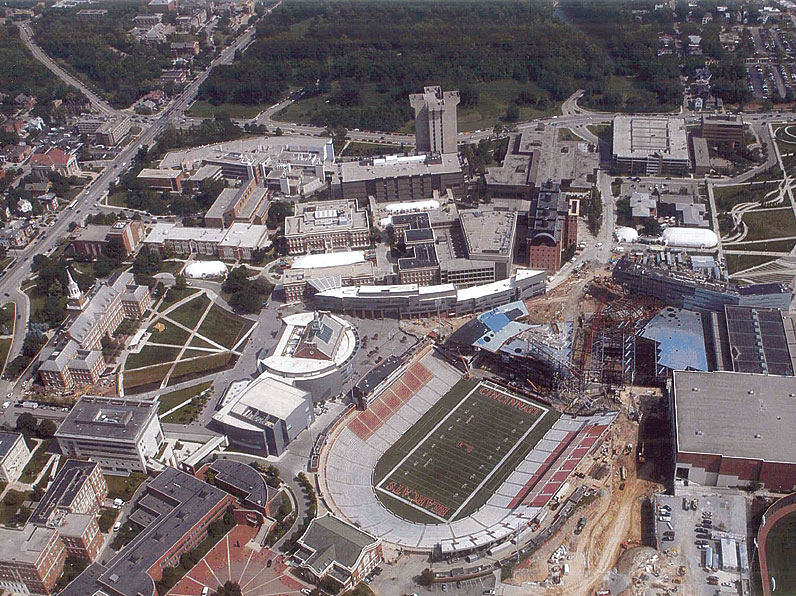
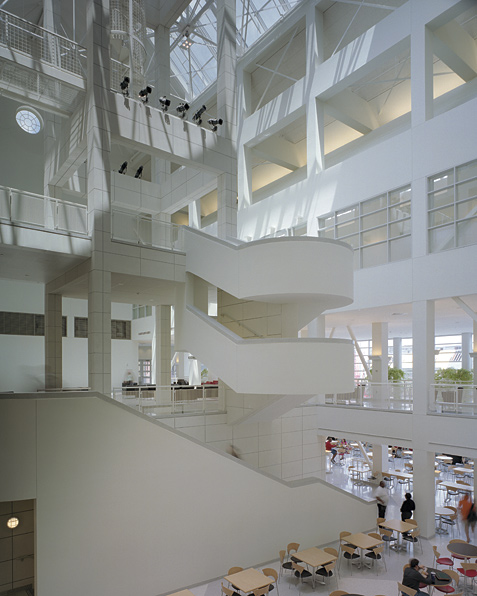
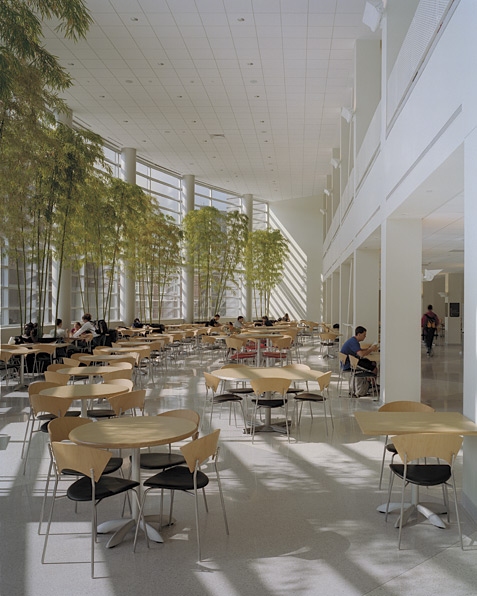
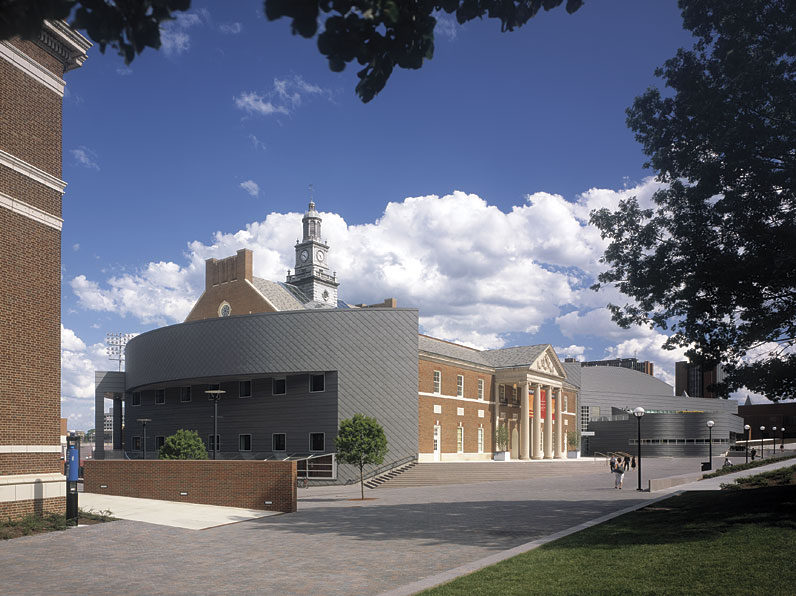
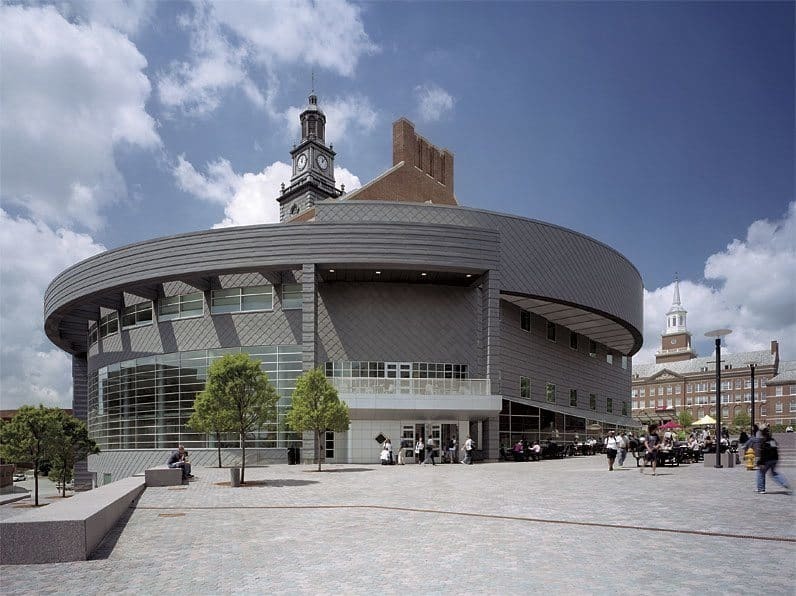
Tangeman University Center Cincinnati, OH The Tangeman University Center is a key component of a major initiative to redevelop the University of Cincinnati’s campus core. As the centerpiece of the revitalized central campus, the rehabilitated student center manifests the University’s expressed commitment to design excellence as a means of enriching the educational experience, increasing enrollment, and improving overall competitiveness. Continue Back